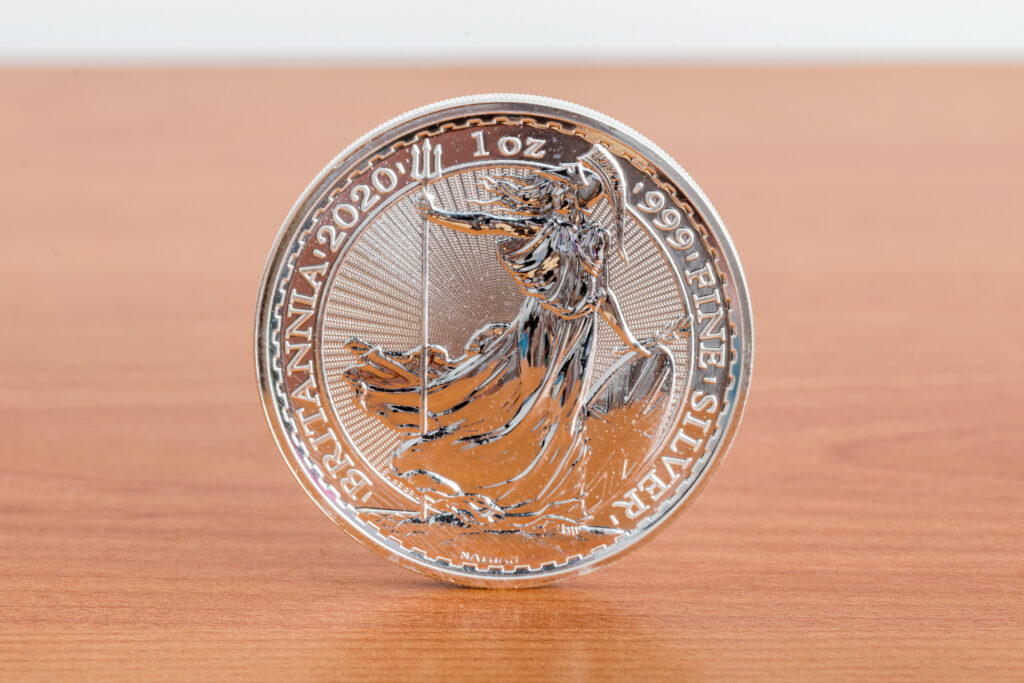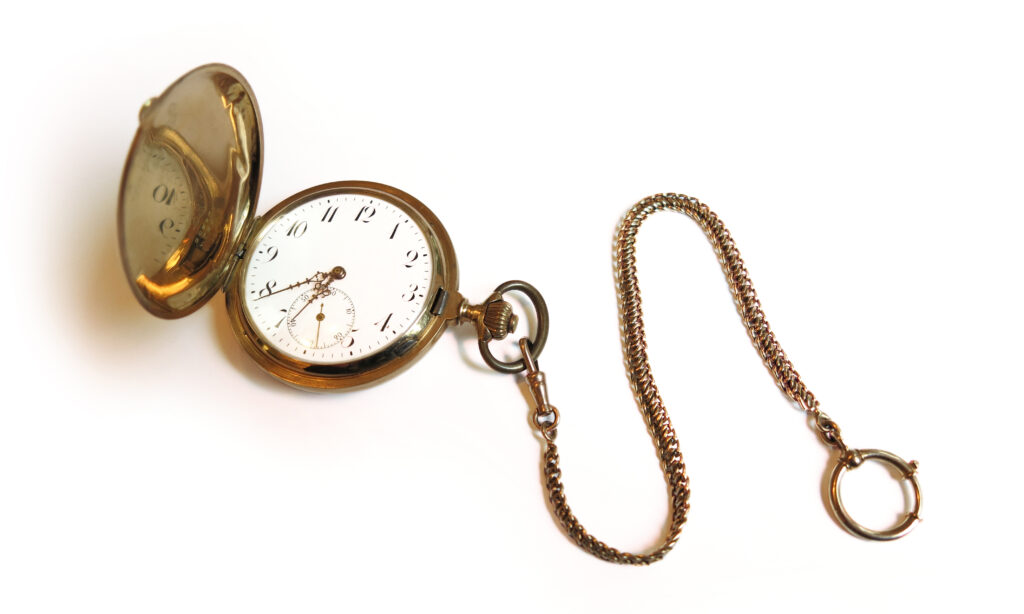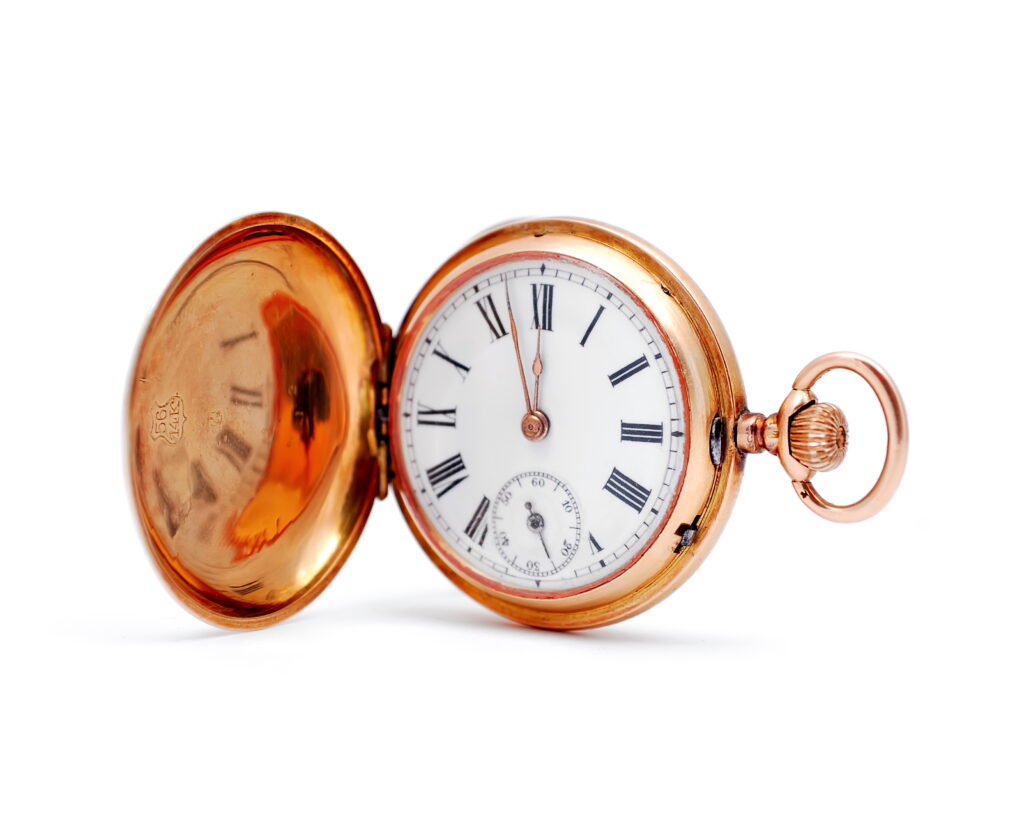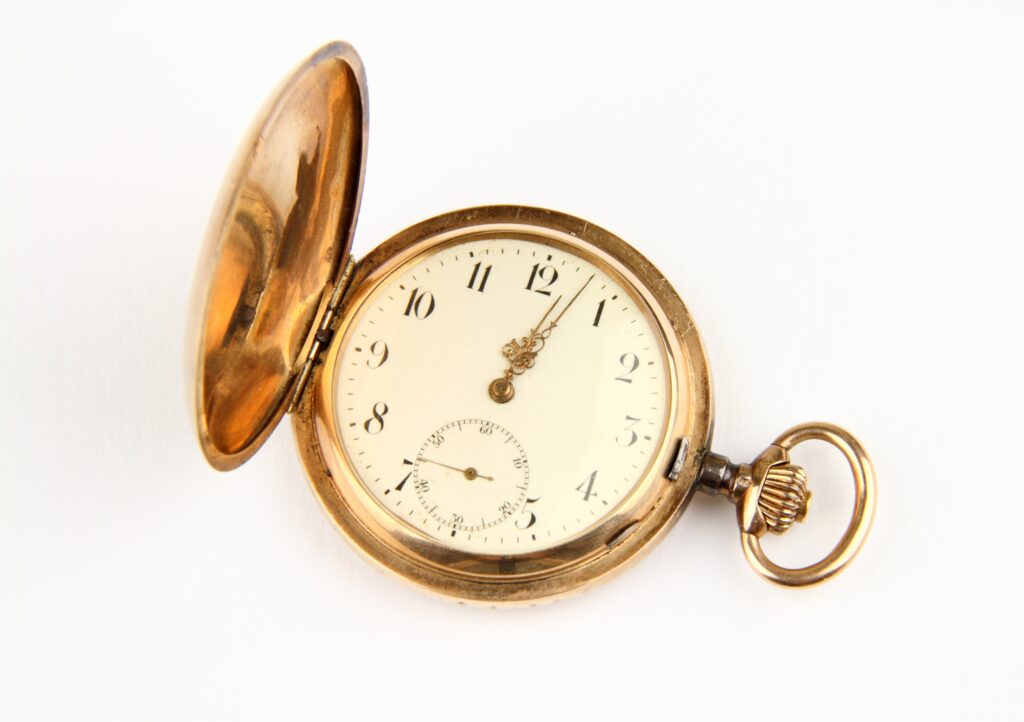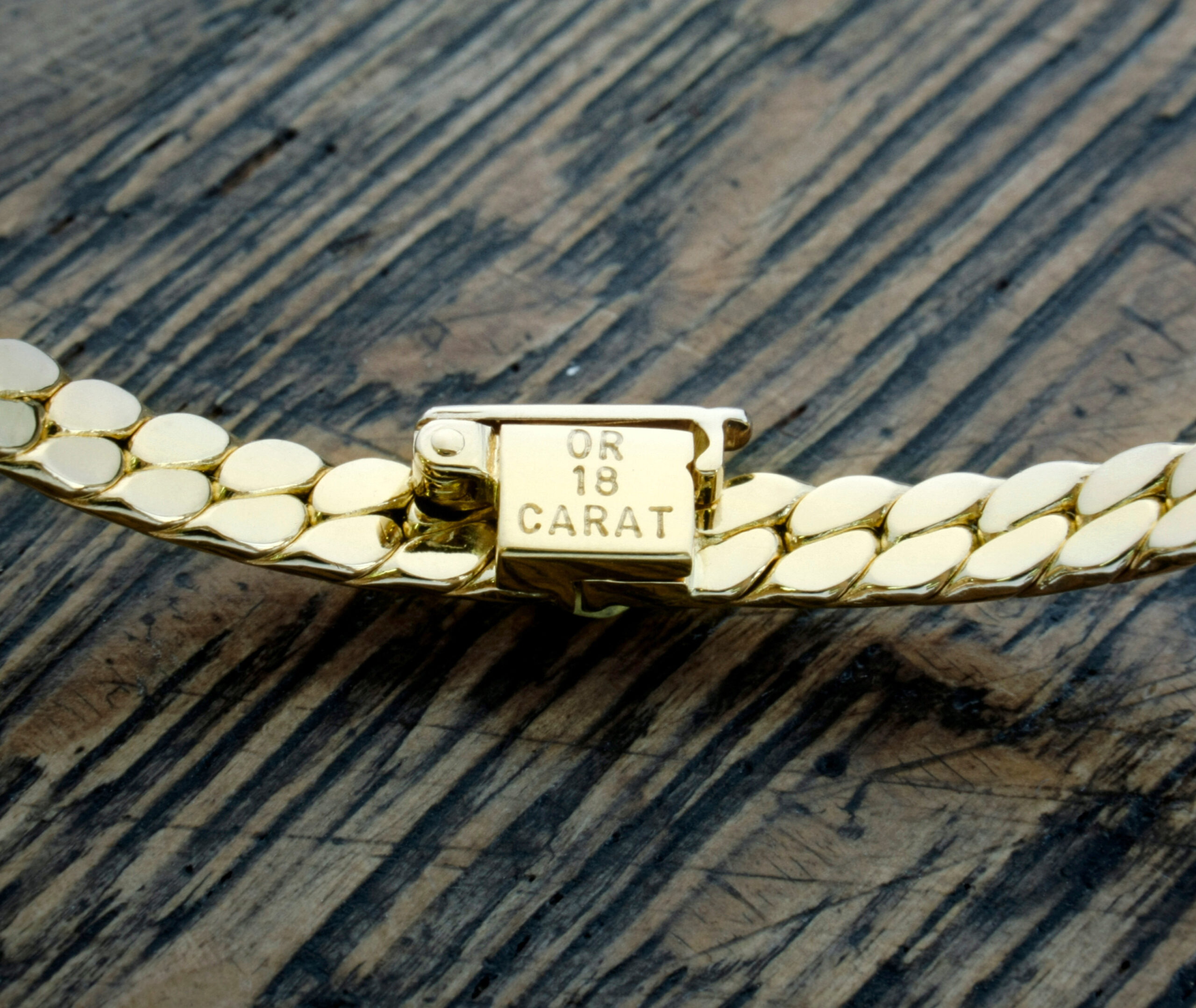
Gold has remained one of the world’s most sought-after precious metals for centuries, valued for its rarity, beauty, and long-term stability. No matter where it’s found, it continues to hold significant financial and historical value. However, many people are unfamiliar with the wider gold industry, including how gold prices are influenced, what certifications mean, and the differences between various types of gold products.
We regularly help clients across the UK understand the true value of their gold items through our personalised home valuation service. With decades of experience in the antique and luxury goods market, our specialists offer honest advice, professional valuations, and immediate payment for gold jewellery, watches, coins, bullion, and collectable items like cigarette cases – as well as scrap gold, valued for its weight.
Below, we answer some of the most frequently asked questions surrounding the gold industry and gold standards to help you make informed decisions when buying, owning, insuring, or selling gold.
How Does the Global Mining Industry Affect Gold Prices?
The global mining industry plays a major role in determining the price of gold. Like any commodity, gold prices are heavily influenced by supply and demand, and mining activity directly impacts the amount of newly mined gold entering the market each year.
Gold mining is an increasingly expensive and complex process. Mining companies must invest heavily in exploration, labour, machinery, transportation, and environmental compliance. When mining costs rise, the overall market price of gold often increases to reflect these higher production expenses. In addition, political instability, strikes, environmental regulations, or disruptions in major gold-producing countries can reduce supply and create market uncertainty, causing prices to rise further.
Is there Investor Impact and Demand for Gold?
Investor behaviour also strongly influences gold prices. During periods of economic uncertainty, inflation, or global instability, many investors turn to gold as a safe-haven asset. Increased demand for physical gold, coins, bullion, and gold-backed investments can quickly drive prices upwards.
The rarity of gold is another important factor. Unlike currencies, gold cannot simply be created or printed. As mining becomes more difficult and accessible reserves become scarcer, gold often maintains strong long-term value.
What is LBMA-Certified Gold?
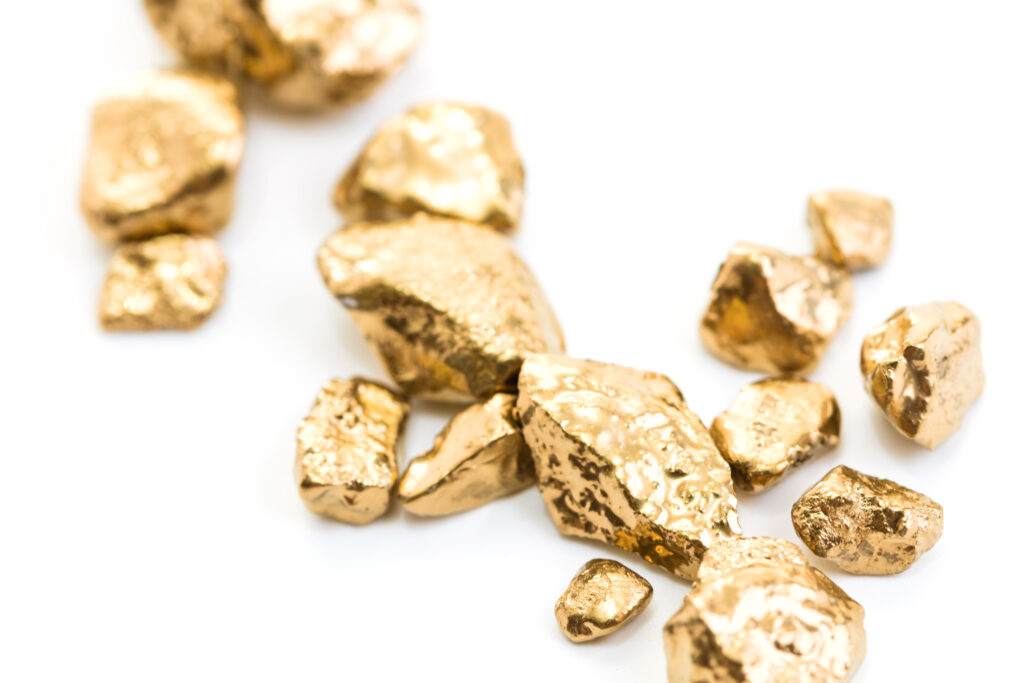
LBMA-certified gold refers to gold that meets the standards established by the London Bullion Market Association (LBMA), one of the most respected authorities in the global precious metals industry.
The LBMA oversees the Good Delivery List, which sets strict requirements for gold bullion regarding purity, weight, production standards, and responsible sourcing. Gold bars produced by LBMA-approved refiners are recognised internationally and often preferred by investors, banks, and institutional buyers due to their reliability and quality assurance.
To achieve LBMA certification, refiners must meet rigorous standards relating to:
- Gold purity and composition
- Ethical sourcing practices
- Responsible mining and refining
- Financial transparency
- Production consistency
LBMA-certified gold is particularly important in the investment market because it guarantees authenticity and internationally recognised standards. Most investment-grade bullion bars are produced to a purity of 99.5% or higher, with many reaching 99.99% purity.
For private collectors and sellers, understanding whether gold is LBMA-certified can influence both liquidity and resale value. Certified bullion products are often easier to sell internationally and may attract stronger offers due to buyer confidence in their quality.
What is Recycled Gold?
Recycled gold is gold that has been recovered, refined, and reintroduced into the market rather than newly mined from the earth. Because gold can be melted down and reused indefinitely without losing its quality, the recycling process has become an increasingly important part of the modern precious metals industry.
Sources of recycled gold include:
- Broken or unwanted jewellery
- Antique gold items
- Gold watches
- Coins and bullion
- Industrial gold components
- Electronic waste containing gold
Once collected, the gold is refined to remove impurities before being reused in new jewellery, watches, investment products, or industrial applications. In many cases, recycled gold becomes indistinguishable from newly mined gold after the refining process.
What are the Environmental Benefits of Recycling Gold?
Recycling gold offers several important environmental benefits, particularly when compared to the environmental impact of large-scale gold mining operations. Gold mining can require extensive land excavation, significant water usage, and the use of chemicals such as cyanide and mercury during extraction and processing. Mining operations may also contribute to habitat disruption, carbon emissions, and long-term environmental damage if not carefully managed.
By contrast, recycling existing gold reduces the need for additional mining while allowing valuable materials already in circulation to be reused. This helps conserve natural resources and reduces the environmental strain associated with extracting new precious metals from the earth.
Some of the key environmental benefits of recycled gold include:
- Reduced mining activity
- Lower carbon emissions
- Less chemical pollution
- Reduced landfill waste
- Conservation of natural resources
- Support for a circular economy
As sustainability becomes increasingly important within the luxury market, recycled gold is gaining popularity among buyers and collectors. Many consumers appreciate the idea of preserving the beauty and value of gold while reducing environmental impact.d rarity, even if the purity is lower. This is why understanding both the gold content and the wider market appeal of a piece is essential before selling.
What is the Difference Between Bullion-Grade Gold and Jewellery-Grade Gold?
Bullion-grade gold and jewellery-grade gold differ primarily in terms of purity, purpose, and durability.
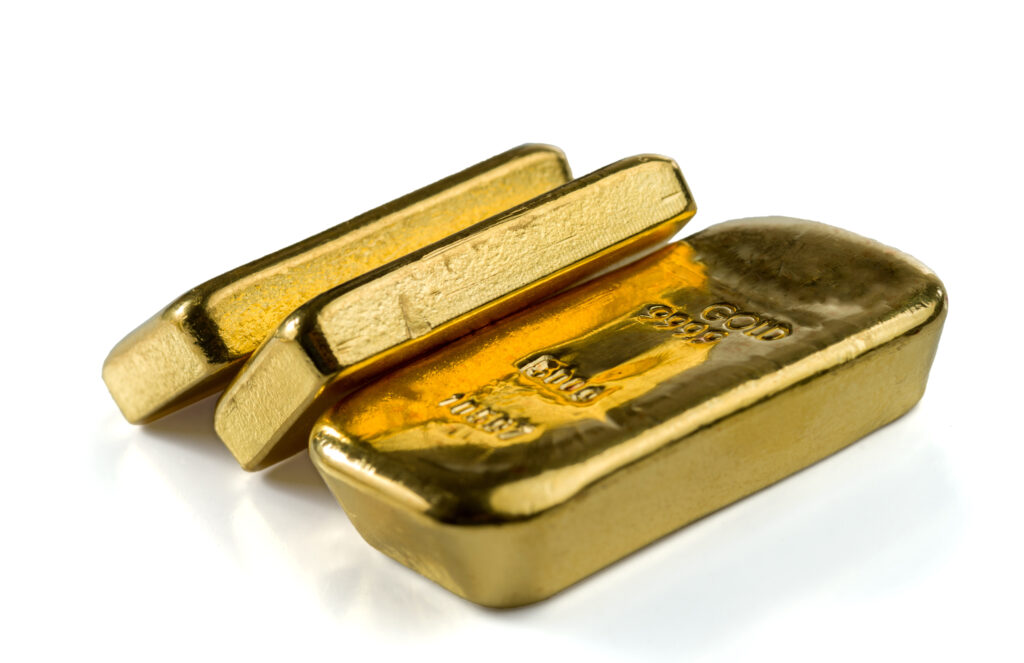
Bullion-grade gold is produced mainly for investment purposes. It is typically manufactured to extremely high purity levels, often 99.9% or 99.99% pure gold. Because pure gold is naturally soft, bullion bars and coins are generally stored carefully rather than worn regularly. Investment bullion is valued largely according to its gold content and current market prices.
Jewellery-grade gold, on the other hand, is designed for practical everyday wear. Pure 24-carat gold is often too soft for jewellery, so it is commonly alloyed with other metals such as silver, copper, platinum, or palladium to improve strength and durability.
This is why jewellery is usually found in different carat levels, including:
- 24ct gold – almost pure gold
- 18ct gold – 75% gold
- 14ct gold – 58.5% gold
- 9ct gold – 37.5% gold
The lower the carat, the more alloy metals are present within the piece. While lower-carat jewellery contains less pure gold, it is often more durable for daily use.
How Are Bullion and Jewellery Valued?
Bullion and jewellery are also valued differently. Bullion prices are closely tied to live gold market rates, whereas jewellery valuations may additionally consider:
- Craftsmanship
- Age and rarity
- Designer or maker
- Gemstones
- Historical significance
- Brand desirability
At Burlingtons Ltd., we assess each item we see individually to ensure clients receive an accurate and fair valuation based on both gold content and collectable value.
What Advice Do I Need on Insuring Gold Jewellery and Watches?
Gold jewellery and luxury watches are often highly valuable possessions, both financially and sentimentally. Proper insurance can provide important protection against theft, accidental damage, or loss. One of the most important steps when insuring gold items is obtaining an accurate and up-to-date valuation. Gold prices can fluctuate significantly over time, meaning older insurance valuations may no longer reflect current replacement values. Regular professional valuations help ensure that your policy provides appropriate cover.
For antique jewellery and rare watches, specialist valuations are especially important because collector demand, rarity, and historical significance may substantially increase value beyond the gold content alone. We regularly provide professional valuations for antique jewellery, gold watches, and luxury items, with our extensive market knowledge and understanding of collector demand helping clients gain a clearer understanding of both insurance and resale value.
What Do I Need to Know When Insuring Jewellery and Watches?
When insuring gold jewellery and watches, it’s also advisable to:
- Keep detailed photographs of each item
- Retain original receipts and certificates where possible
- Store valuations securely
- Review insurance cover regularly
- Inform insurers about high-value individual pieces
- Consider specialist jewellery or watch insurance policies
Storage is another important consideration. Some insurers may require particularly valuable items to be kept in a safe or secure location when not being worn.
Thinking About Selling Your Gold?
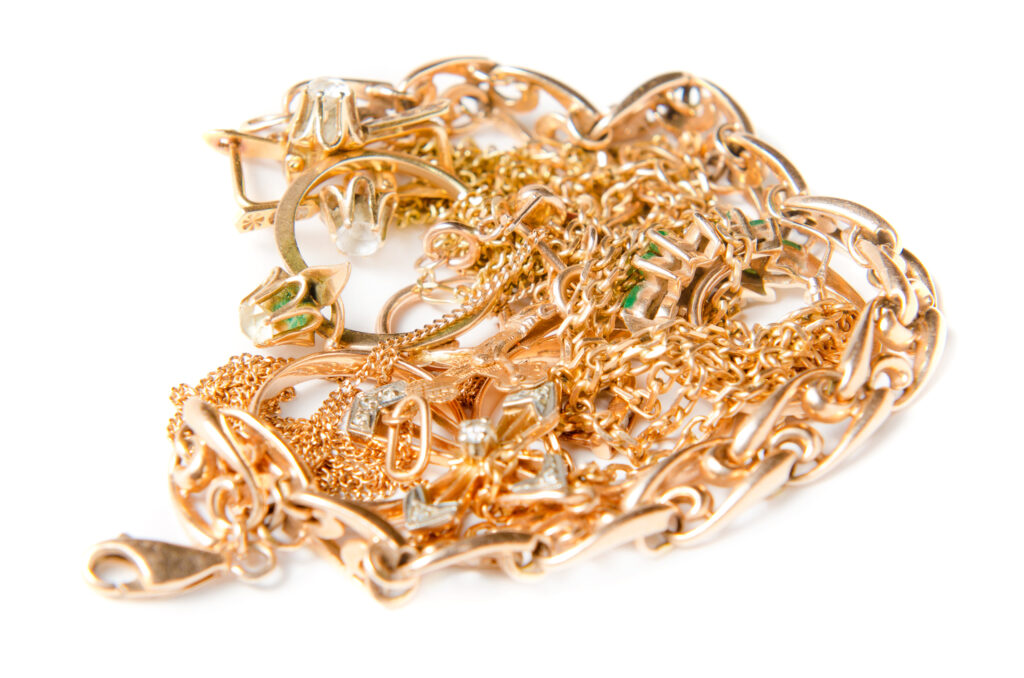
Whether you are selling inherited jewellery, unwanted gold items, bullion, luxury watches, or antique gold pieces, Burlingtons Ltd. offers a discreet and straightforward alternative to traditional auction houses.
Our specialists personally provide free, fully confidential home valuations across the UK, helping clients understand the true value of their items without pressure or obligation. Unlike auction houses, we also offer immediate payment, no hidden fees, and a highly personal service tailored to your individual circumstances.
Contact Us to Sell Your Gold
With decades of experience and an extensive international network of collectors and buyers, we’re trusted by clients seeking honest valuations and competitive offers for high-value gold items.
Contact us today to arrange a private valuation and discover the value of your gold with confidence.