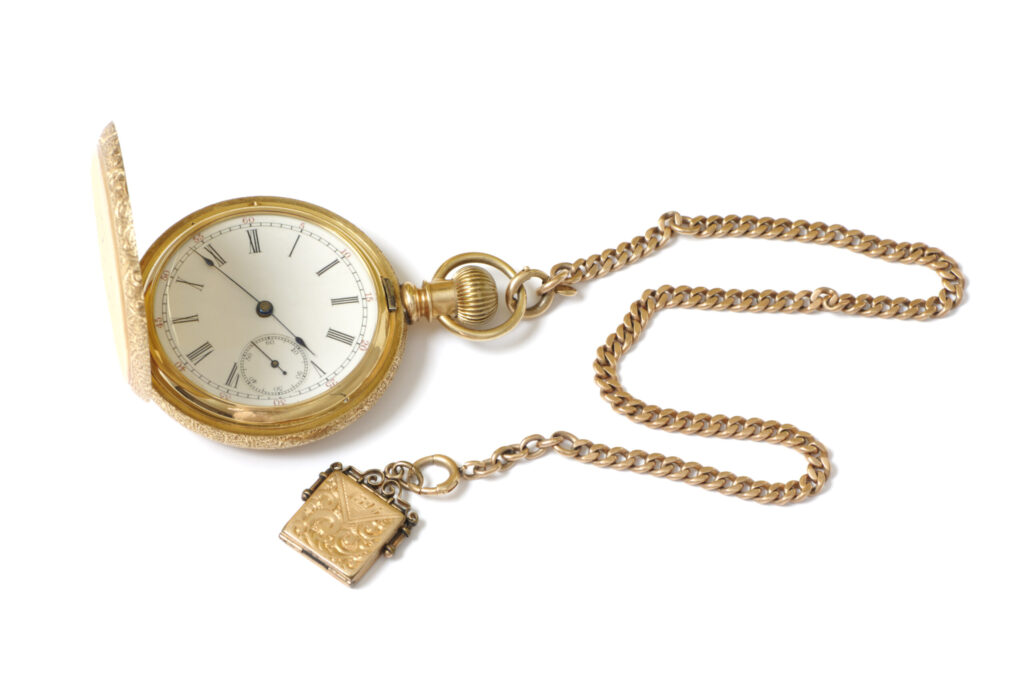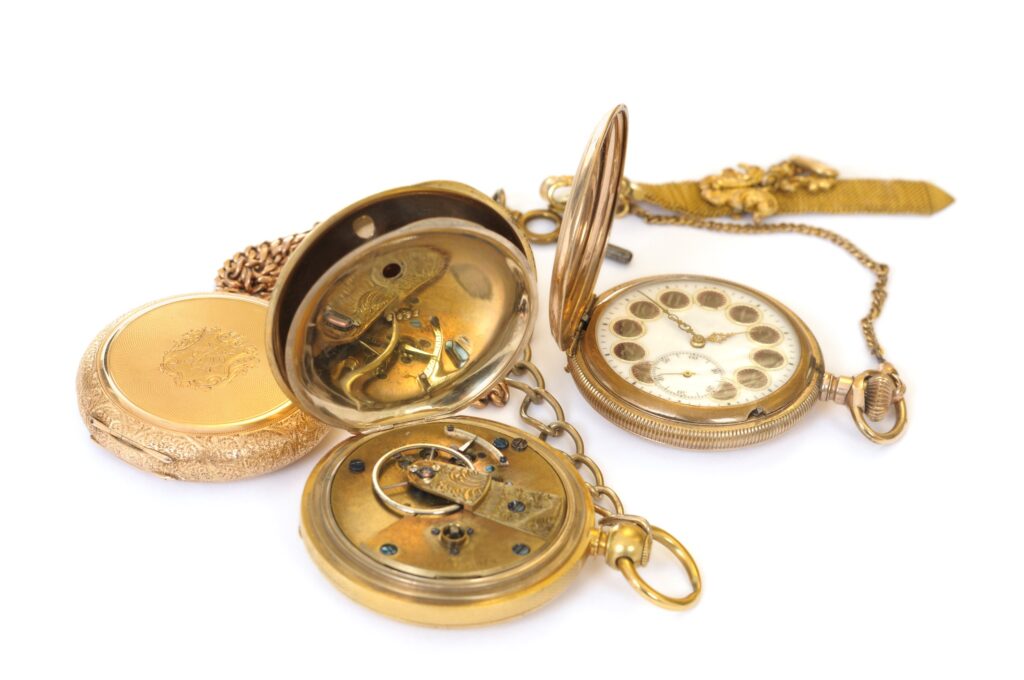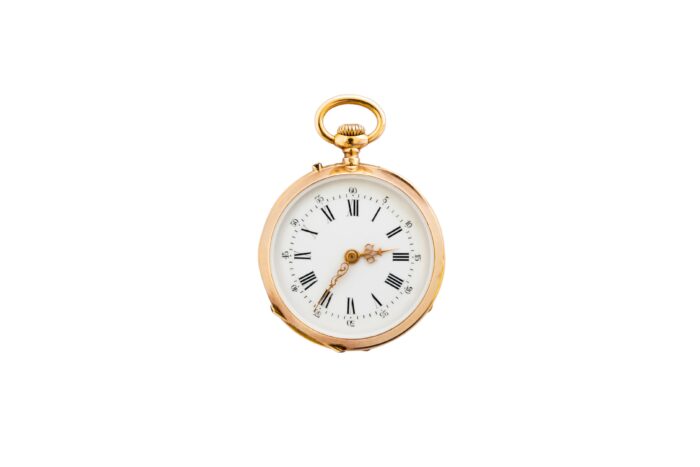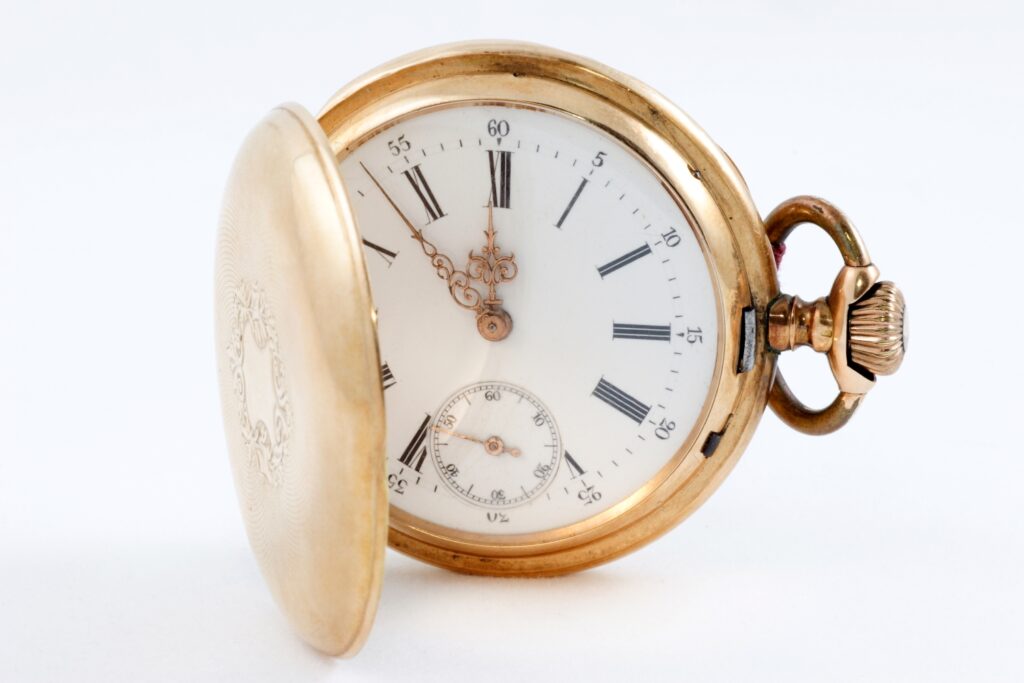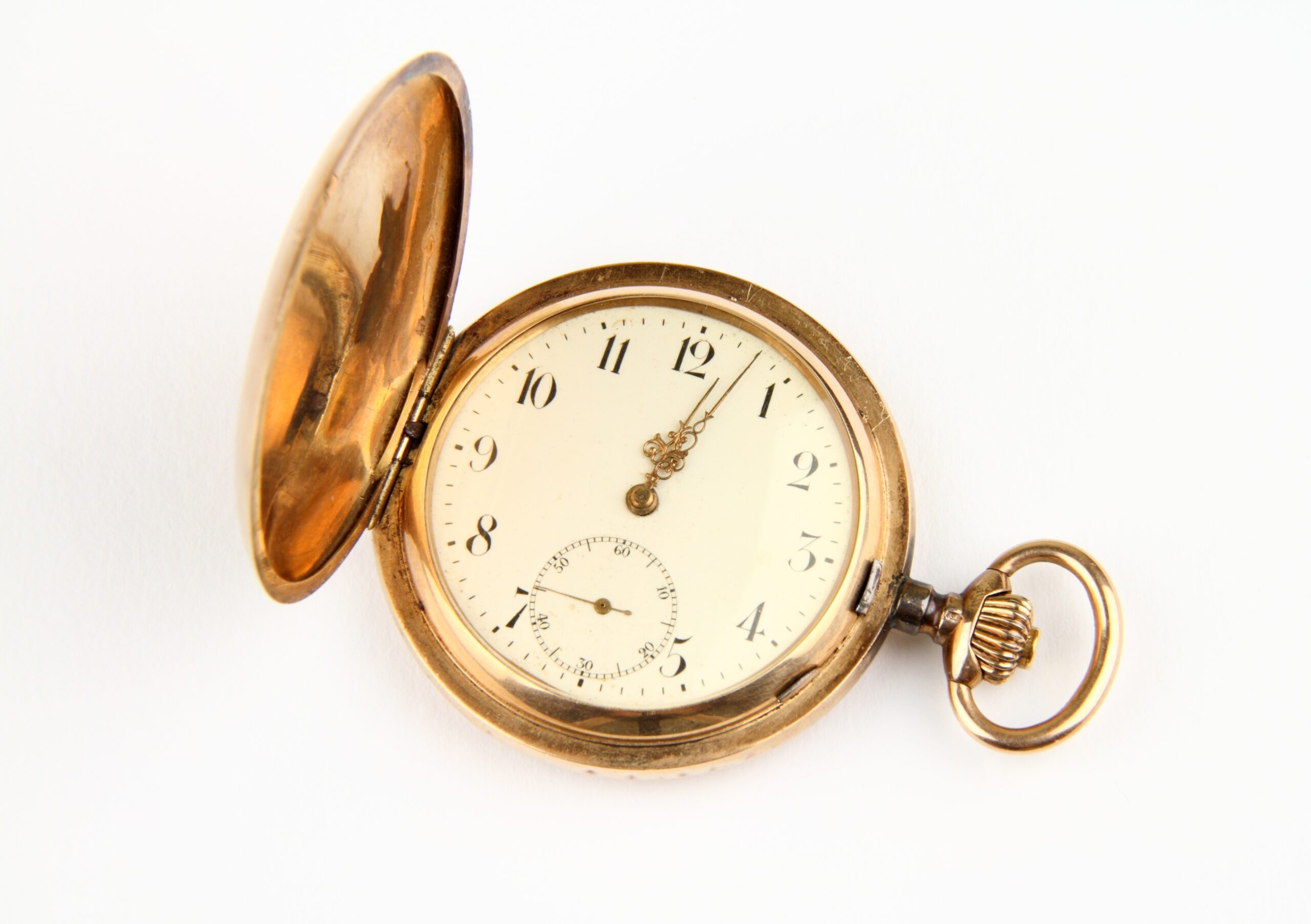
Whether it was inherited from a relative, acquired as part of a collection, or discovered among possessions that have been stored away for years, a gold pocket watch could be worth considerably more than first expected. However, determining that value is rarely as simple as weighing the case and checking the current price of gold.
Gold pocket watch valuations take numerous factors into account. The maker, movement, age, condition, originality, and rarity of individual pieces can all affect their desirability. Meanwhile, hallmarks and serial numbers may reveal important details about where and when they were made. In some instances, its historical and horological significance can make a watch worth far more than its precious metal content alone.
Understanding these characteristics requires years of experience and careful examination. A professional valuation can help establish exactly what you own and ensure that an unusual or highly collectable watch is not valued solely for its gold weight. Our guide can tell you more about what goes into valuing gold pocket watches before you decide if you’re ready to sell yours.
How Do Experts Value Gold Pocket Watches?
At Burlingtons Ltd., we value gold pocket watches both as precious metal objects and as complete timepieces with a story attached to them. The principal factors considered during a valuation include:
- Gold purity and weight of the case
- The watchmaker or manufacturer
- The age and period of manufacture
- The quality and complexity of the movement
- The condition of the case, dial, hands, and movement
- Whether the watch retains its original components
- Its rarity and level of collector demand
- Hallmarks, signatures, and serial numbers
- Engravings, provenance, and supporting documents
- Current conditions within the international market
These characteristics are considered together rather than in isolation.
Condition also matters, but signs of age are not always undesirable. Collectors within our extensive network often value honest, original watches, even when these display some evidence of use. We must therefore carefully distinguish between natural wear, significant damage, and alterations that could affect the watch’s appeal.
Does the Movement Matter More Than the Gold Case?
Both the case and the movement can make a substantial contribution to the value of a gold pocket watch, but their relative importance depends on the individual piece. The case has an intrinsic value determined primarily by its gold purity and weight. A watch with a solid-gold case may therefore remain valuable even if its movement is comparatively ordinary or no longer working.
The movement, however, is the mechanism that powers the watch and may provide much of its horological interest. As listed above, the manufacturer, construction, quality, condition, and complexity can all influence collector demand. A finely finished movement by a celebrated watchmaker may add significantly more value than an unsigned, mass-produced alternative.
Other Factors Determining Value
Complications can be vital in determining which has more value. A complication is any function beyond straightforward timekeeping, such as a chronograph, calendar, or repeating mechanism. High-quality complicated watches required considerable skill to produce and were often made in smaller numbers, making surviving examples desirable to collectors.
Signed watches from respected manufacturers can be particularly sought after, although the presence of a famous name should always be authenticated. The quality and originality of the complete watch remain important, even when its dial or movement carries a prestigious signature. Similarly, decorative cases can also add interest. Enamel work, engraving, engine turning, gemstones, and unusual case designs may all increase desirability when they are original and of high quality.
Personal inscriptions do not necessarily reduce value. They may even result in a higher price under the right circumstances – especially when they help establish an interesting history. This is why selling a gold pocket watch purely for scrap can result in its wider value being overlooked. The safest approach is to have the watch assessed as a complete object before making a decision.
How Can I Tell if a Gold Pocket Watch Case Is Original?
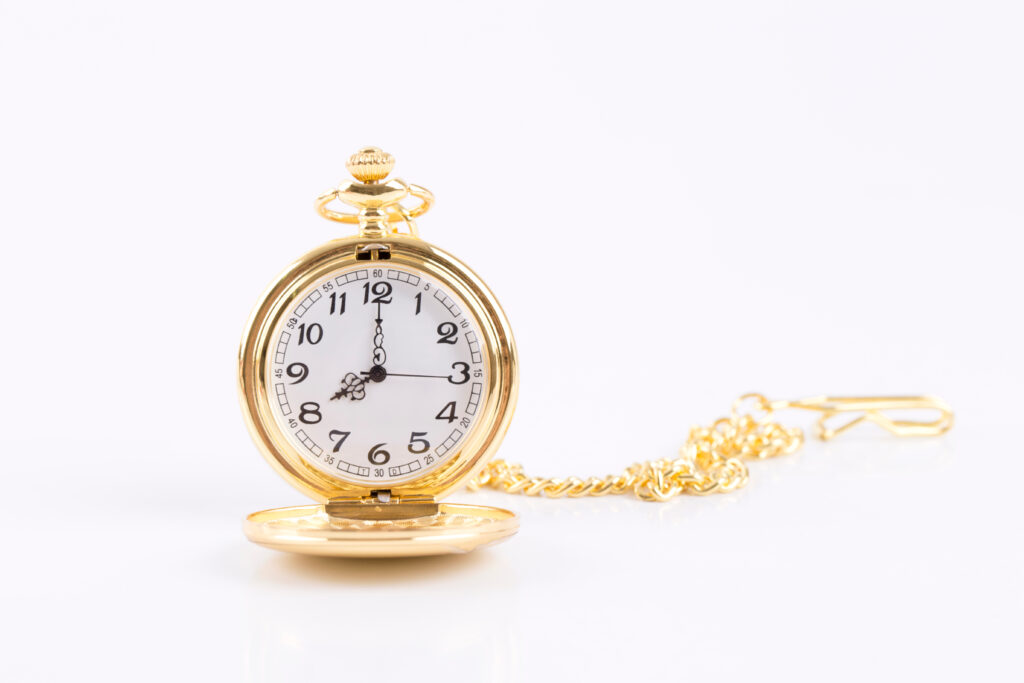
Determining whether the case is original to the movement isn’t always straightforward. Over the course of a watch’s life, its case may have been replaced because of damage, changing fashions, or the desire to reuse a valuable movement. An expert will look for consistency across the watch. This can include examining case and movement numbers, signatures, hallmarks, construction techniques, and the approximate dates of each component. The fit of the movement and the pattern of wear may also provide useful evidence.
Some watches have matching or corresponding identifying numbers, although numbering practices varied between manufacturers and periods. An apparent difference doesn’t automatically prove that a case has been replaced, just as matching-looking parts do not guarantee complete originality.
Avoid attempting to force open a case or remove the movement yourself. Pocket watch cases can use different opening mechanisms, and unfamiliar handling may damage the hinges, covers, dial, or internal components.
What Hallmarks Should a Gold Pocket Watch Have?
Hallmarks will typically be found inside the case back or on an inner cover on a gold pocket watch, although their precise position varies according to the design.
A British-hallmarked case may display:
- A fineness mark indicating the purity of the gold
- An assay office mark
- A date letter
- A maker’s or sponsor’s mark
Older marks may be expressed in carats, while other cases may carry numerical fineness marks.
The absence of familiar British hallmarks does not necessarily mean that a watch is not made from gold. Imported watches, particularly those from Switzerland, France, or the United States, will almost certainly carry marks relating to these countries that differ from UK hallmarks. National symbols, manufacturer’s marks, and other purity indicators from abroad are likely to require an expert to read them accurately.
Other Important Tips About Hallmarks
Hallmarks and their condition should always be considered alongside the construction and condition of the case itself. Marks can become worn, repairs can introduce components with different stamps, and misleading marks are occasionally encountered.
It’s also important to distinguish solid gold from gold-filled, rolled-gold, and gold-plated cases. These can all have an attractive gold appearance, but their precious-metal content and value differ considerably. Certain markings indicate the type or thickness of a gold covering rather than solid-gold purity.
Do Serial Numbers Help Identify Valuable Pocket Watches?
Serial numbers can provide useful clues about the identity and history of a pocket watch. Some manufacturers kept detailed production records, making their serial numbers particularly helpful. For other watches, the records may be incomplete, or numbering systems may have changed over time. Depending on the manufacturer, they may help an expert establish an approximate production date, movement grade, model, or position within a particular series.
Numbers may appear on:
- The movement
- The inside of the case
- Individual case covers
- The dial or other components
Comparing the numbers found on the case and movement can also contribute to an assessment of originality. However, they should not necessarily be expected to match exactly, as the case and movement may have been manufactured by different businesses and assigned separate numbers.
A serial number alone cannot confirm authenticity or value. It must be interpreted alongside the watch’s other characteristics. If a number is already visible, a clear photograph may assist with a preliminary assessment, but there is no need to dismantle the watch to search for one.n.
How Do Experts Test Gold Pocket Watches Without Damaging Them?
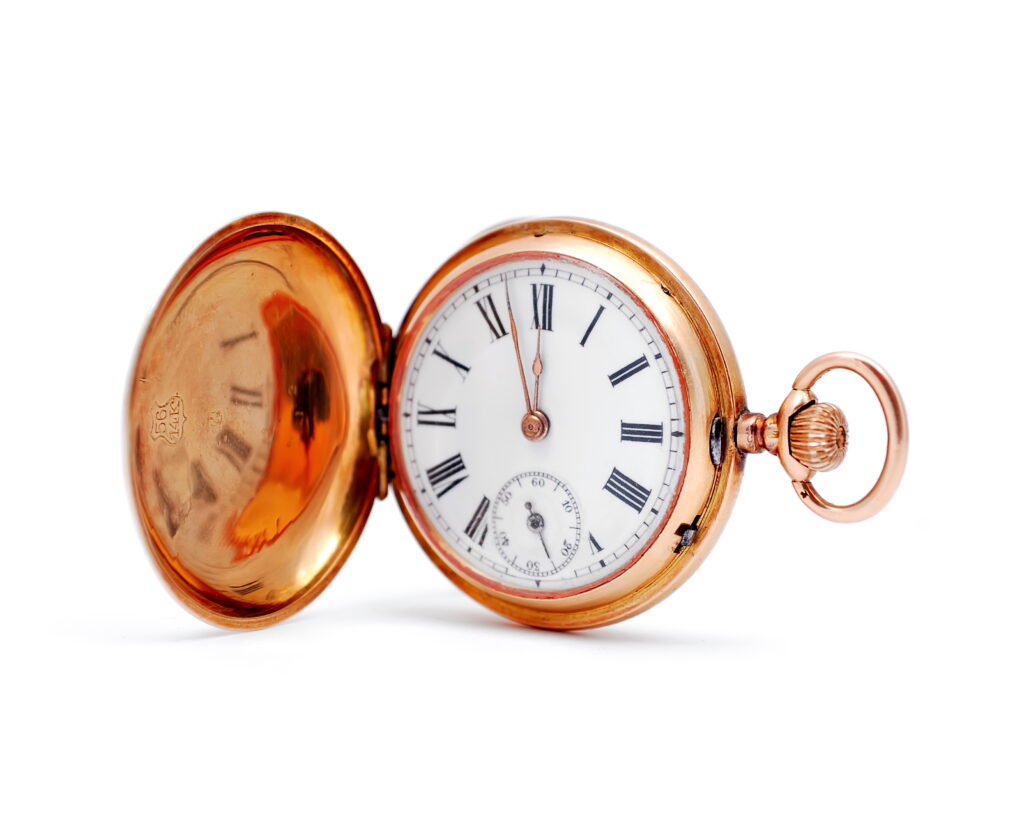
An experienced valuer will begin with the least invasive methods available. In many cases, hallmarks, construction details, and signs of wear provide substantial information before any further testing is necessary. Magnification can be used to examine small marks, while precise scales help establish the watch’s weight. Experts may also compare its construction, hallmarks, and identifying numbers with recognised records and examples from the same period.
Where the gold content requires further verification, electronic precious-metal testing or specialist analytical equipment may be used. These methods can help determine metal composition without causing visible damage. If another form of testing is considered necessary, it should only be undertaken carefully and, where possible, done on an inconspicuous area.
The appropriate method will depend on the watch, which is another reason to avoid testing it at home. Filing, scratching, or applying chemicals incorrectly can permanently mark the case and potentially diminish the watch’s value.
Why Does a Professional Gold Pocket Watch Valuation Matter?
Online research may provide a broad idea of what similar-looking watches have sold for, but seemingly minor differences can have a considerable effect on value. Two pocket watches with comparable cases may contain movements of entirely different quality, while watches bearing the same maker’s name may vary depending on any number of factors.
Generic gold valuations can be equally limiting because they may focus only on metal content. Although gold weight is important, this approach may fail to recognise the additional market value of a rare, original, or historically significant timepiece.
A professional assessment considers the complete watch. It can identify its case material, interpret its hallmarks and serial numbers, examine the movement, and assess demand among current collectors. This gives you a clearer understanding of what you own before you decide whether to sell.
Have Your Gold Pocket Watch Valued by an Expert
If you own a gold pocket watch, its true value may extend far beyond the weight of its case. We provide a personal and discreet valuation service led by Daniel Ives, a third-generation dealer with decades of experience in antique jewellery, rare watches, and valuable collectables. Our extensive international network and understanding of current demand mean we can make informed and competitive offers without the delays and substantial commissions associated with auction houses.
We’ll carry out a preliminary assessment before arranging a free, no-obligation home valuation where a closer examination is required. Your watch can remain safely in your possession while our expert assesses it to arrive at its true market value. There are also no hidden charges, and if you choose to accept our offer, payment can be made immediately. Contact us today to book your slot. made to you immediately via BACS transfer. Contact us today and discover what your gold pocket watch could be worth.