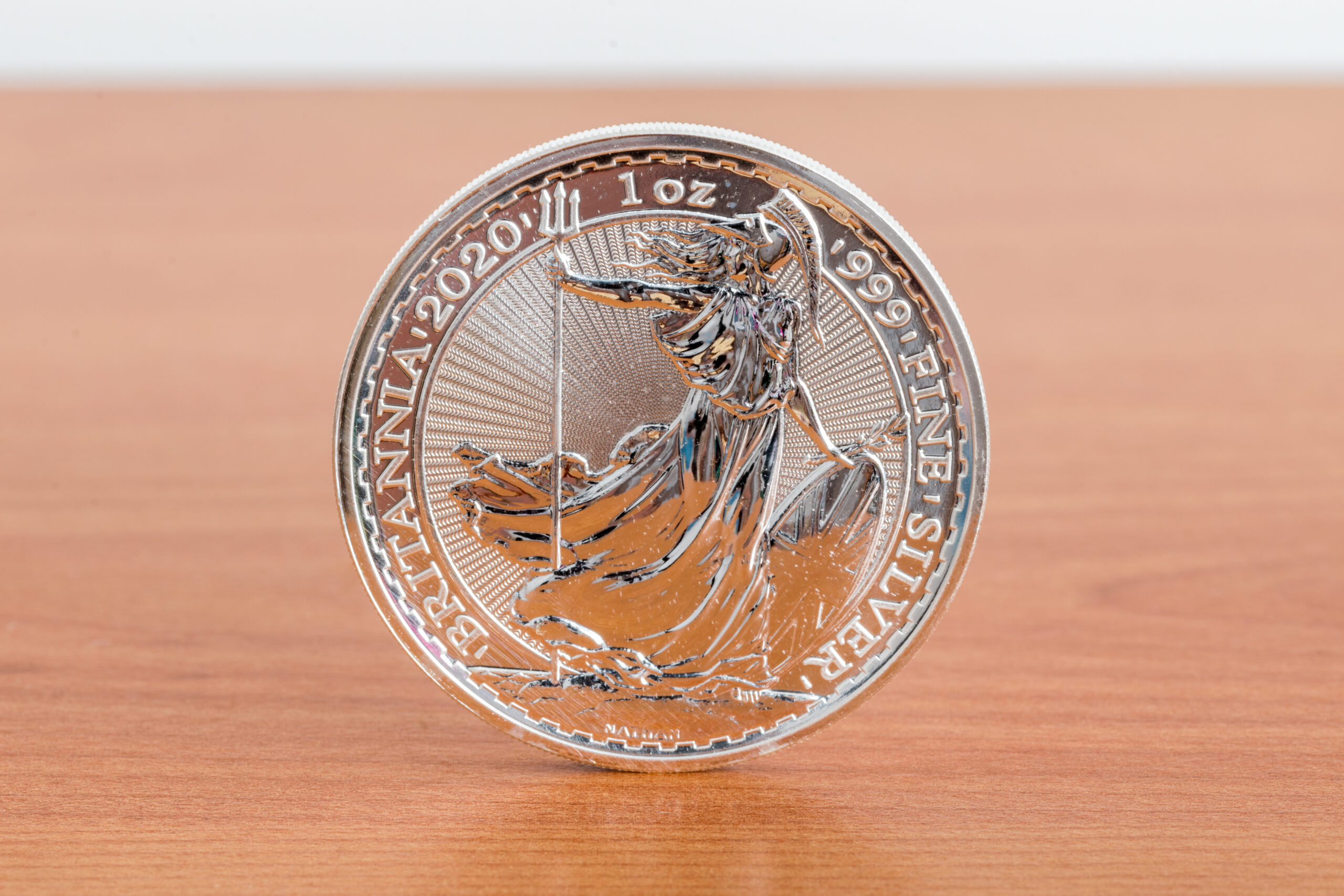
Silver Britannia coins have become one of the most recognisable precious-metal coins in the UK, combining the value of physical silver with a design rooted in centuries of British history.
Whether you have inherited a collection, are considering buying your first coin, already collect particular editions, or have silver Britannias you would like to sell, understanding exactly what you have is important.
This guide explores everything you need to know about Silver Britannia coins before you begin, ensuring you make a fully informed decision about your coins.
About Silver Britannias
What are Silver Britannia Coins?
Silver Britannias are British precious-metal coins produced by The Royal Mint. They form part of the wider Britannia bullion range, which began with the introduction of the Gold Britannia in 1987. Silver Britannias followed in 1997.
The coins take their name from Britannia, the female personification of Britain who has appeared on British coinage for centuries. The familiar modern Britannia coin design was created by sculptor Philip Nathan and depicts her standing with a shield, trident, and an olive branch.
What Types of Silver Britannia Coins Are Available?
Silver Britannias are primarily available in bullion forms and intended for precious-metal buyers, but there are also some proof and other collectable editions available for interested parties. This distinction can be important when determining value: a bullion coin may trade predominantly according to its precious-metal content and market premium, whereas a particularly desirable collectable example may attract additional interest.
A Brief History of the Silver Britannia
Although the silver Britannia itself is relatively modern, its imagery has much older roots. Britannia first appeared as a personification on Roman coins minted during their occupation, at the time of Emperor Hadrian. She was returned to British coinage during the reign of Charles II in 1672.
When modern silver Britannias were introduced in 1997, they were struck in 958 fineness, which is traditionally known as Britannia silver. Today, one-ounce (1oz) silver Britannias are struck in 999 fine silver and contain one troy ounce of fine silver.
Modern bullion Britannias incorporate sophisticated security features, while the change of monarch also created another notable chapter in the series, with Britannias now bearing the portrait of King Charles III. These variations mean that when looking at a silver Britannia, its date and particular edition can matter as well as the quantity of silver it contains.
What are Silver Britannia Coins Worth?
There is no single answer to how much a silver Britannia is worth. For a standard bullion Britannia, the prevailing market price of silver is an important starting point. However, coins are typically bought and sold at prices that can differ from the simple spot value of their metal.
Several factors can influence the value of an individual silver Britannia, including:
- The current market value of silver
- The coin’s year and edition
- Bullion, proof, or another finish
- Mintage and relative scarcity
- Overall condition
- Collector demand
- Unusual or special designs
- Original presentation materials or documentation, where relevant
This is why two silver Britannias containing comparable quantities of precious metal do not necessarily have identical market values.
Certain editions may be more appealing to collectors, potentially adding a numismatic premium above their intrinsic silver value. Others will principally be valued for their precious-metal content.
Do Silver Britannias Retain Their Value?
Silver Britannias have an underlying connection to the market price of silver because of their precious-metal content. However, the price of silver fluctuates, meaning their market value can move both upwards and downwards. Some coins can also develop additional collector value. Scarcity, condition, unusual designs, and demand can all contribute to premiums for particular examples.
It is therefore better to consider a silver Britannia individually rather than assuming that its original purchase price, face value, or silver content alone tells you exactly what it is worth today.
Buying Silver Britannia Coins
Silver Britannias attract everyone from precious-metal buyers to dedicated coin collectors. Before buying one, it helps to establish what you want from your purchase.
Someone primarily interested in owning physical silver may focus on bullion coins and the premium they are paying over the underlying metal value. A collector, meanwhile, might be much more interested in a specific date, design, proof coin, or harder-to-find edition.
Where is the Safest Place to Buy Silver Britannias?
Using a reputable seller is important. The Royal Mint itself sells Britannia bullion products, while established bullion and specialist coin dealers provide another route. Collectable examples can also appear through auction houses and other secondary-market sellers.
Wherever you purchase, take time to understand exactly what is being offered. The coin’s date, weight, purity, condition, and finish should match its description. For collectable or particularly valuable examples, accompanying provenance, packaging, or documentation may also warrant consideration.
Private marketplaces can provide access to a large number of coins, but buyers should be particularly careful about authenticity and condition when dealing with unknown sellers.
Which Silver Britannias are Worth Buying?
There isn’t one Silver Britannia that will be right for every buyer. For those primarily interested in precious metals, widely available bullion coins may make the most sense. On the other hand, collectors may instead seek particular years, proof editions, changing designs, or coins with lower mintages.
Rather than asking which silver Britannia is universally “best”, consider why you are buying it and whether the price reflects its precious-metal and, where applicable, collector value.
How to Identify a Silver Britannia
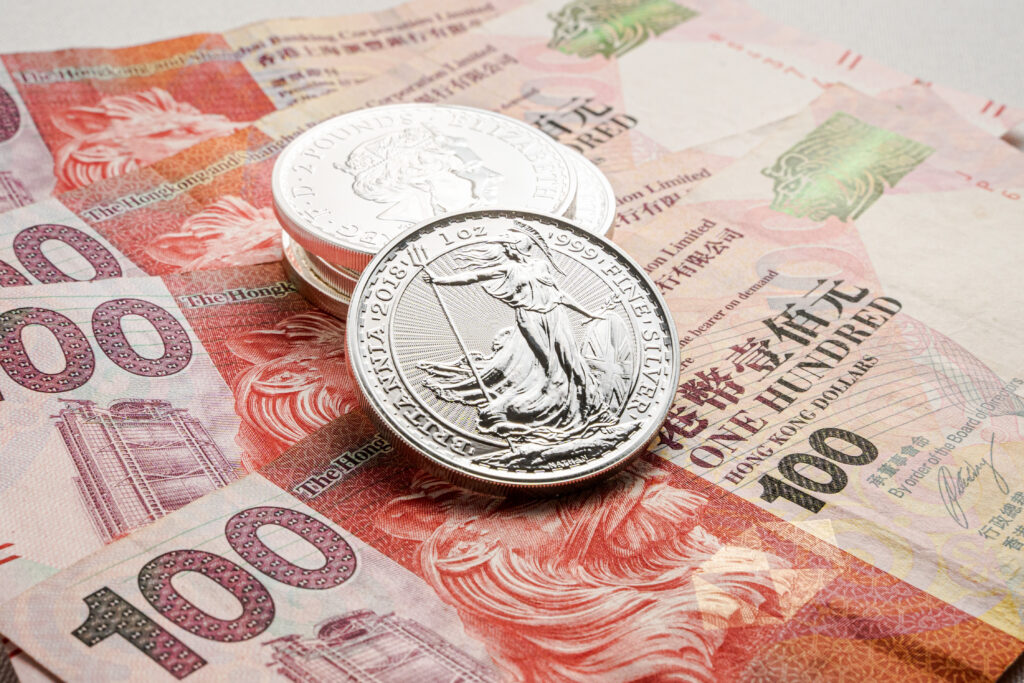
Knowing exactly which silver Britannia you own becomes particularly important when valuing, buying, or selling a coin. Look first at its date and design. The specifications have changed during the series: for example, coins produced from 1997 to 2012 were struck in 958 silver, while those produced from 2013 onwards use 999 fine silver.
The monarch shown on the obverse can also help place a coin within the history of the series, while variations in Britannia designs and finishes can help distinguish particular releases.
If you have inherited coins without packaging or documentation, resist making assumptions based solely on their appearance. Establishing precisely what you own should come before attempting to determine its value.
How Can You Tell If a Silver Britannia is Genuine?
Authenticity is especially important when purchasing coins through the secondary market. Modern Britannia bullion coins incorporate four advanced security elements. These include a latent feature that changes between a trident and a padlock when viewed from different angles, animated wave-like surface details, micro-text, and tincture lines on Britannia’s shield.
Other considerations can include whether a coin’s dimensions, weight, inscriptions, and design correspond with the specifications expected for that particular issue.
Remember, however, that silver Britannias have changed over time. A genuine older coin will not necessarily have the same specifications or security features as a modern example. If you are uncertain about the authenticity of a potentially valuable coin, obtaining an expert assessment is preferable to relying on one visual characteristic alone.
Are Silver Britannias a Good Investment?
Silver Britannias are popular with people who want to own physical precious metals, but whether they are suitable for you depends on your circumstances and objectives. One attraction is that their value has a direct relationship with silver. Britannias are also internationally recognisable coins with an established secondary market.
For UK residents, Britannia coins also have an important characteristic: because they are UK legal tender, gains on their disposal are exempt from UK Capital Gains Tax. Tax rules and individual circumstances can change, however, so appropriate professional advice should be sought where necessary.
An Important Consideration
As with any other asset, there are still risks involved with using these coins as part of an investment portfolio. Precious-metal prices fluctuate, premiums paid when purchasing a coin may not always be recovered, and collector demand for particular editions can change. The Royal Mint itself makes clear that bullion investments can fall as well as rise in value and that past performance does not guarantee future results.
There is also an important difference between investing principally in silver and buying silver Britannias because you believe individual coins will become collectable. Understanding that distinction can help you make more informed decisions.
Collecting Silver Britannia Coins
The enduring image of Britannia, changes in monarch, different designs, and variations produced throughout the series provide plenty for collectors to explore. Some may try to build collections spanning multiple years, while others concentrate on proofs, special designs, or individual coins that particularly interest them.
Which Silver Britannias are Popular With Collectors?
Collector preferences can vary considerably. Earlier issues, lower-mintage coins, proof editions, and notable variations can all attract interest. Coins marking significant changes within the series can also appeal to collectors, as can particularly well-preserved examples.
That doesn’t mean every older Silver Britannia is automatically rare or highly valuable. Demand matters alongside age and scarcity.
What Makes a Silver Britannia Collectible?
A combination of characteristics can influence collectability, including:
- Scarcity: Coins available in smaller numbers may be more difficult to find.
- Condition: Collectors may pay greater attention to the quality of a coin’s surfaces and details.
- Edition: Proofs and special releases may appeal to a different market from standard bullion coins.
- Design: Changes to Britannia herself or other elements of the coin can distinguish particular releases.
- Historical interest: Significant years within the series may attract additional attention.
- Completeness: Coins belonging to sets may be more desirable when accompanied by the other pieces.
- Packaging and documentation: Original presentation boxes or certificates can be relevant for certain collectable releases.
- Demand: Ultimately, scarcity only translates into additional value where buyers actually want the coin.
These factors help explain why identifying a coin properly is so important before deciding what to do with it.
Caring for Silver Britannia Coins
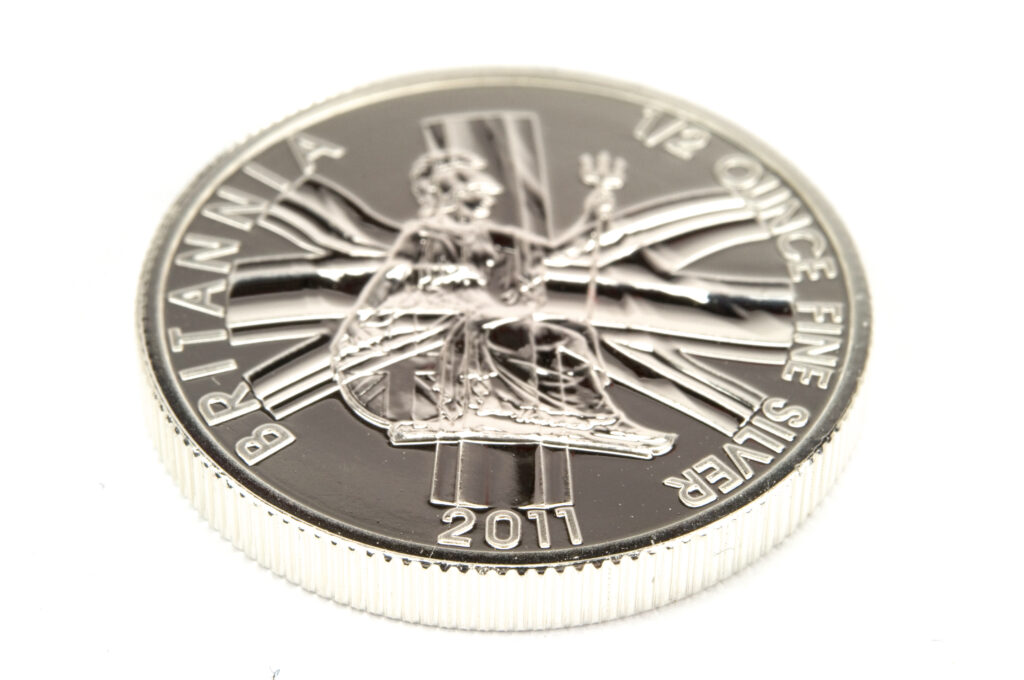
Condition can matter, particularly when you own a Britannia coin with collector appeal. Appropriate handling and storage can therefore help preserve your coins. Ideally, coins should be kept in suitable capsules or other protective storage and handled as little as possible. If handling is necessary, avoid touching the main surfaces, as oils and contaminants from the skin can leave marks.
Coins should also be stored somewhere dry and stable, away from substances or environmental conditions that could unnecessarily affect their surfaces.
Should You Clean Silver Britannias?
If a coin has become tarnished or dirty, cleaning it might seem like an obvious way to improve its appearance. However, this can sometimes do more harm than good. Abrasive cleaning, polishing, or inappropriate chemicals can leave fine scratches or permanently alter the surface. For a collectable coin, evidence of cleaning can potentially reduce its desirability.
If you believe you own a valuable silver Britannia, it is generally sensible to have its condition assessed before attempting to polish, clean, or otherwise restore it.
What If a Silver Britannia is Tarnished, Scratched, or Damaged?
Damage doesn’t necessarily mean that a silver Britannia has no value. The precious metal itself remains valuable even when a bullion coin is no longer in pristine condition. However, scratching, heavy wear, cleaning, or other damage can affect any additional premium that might otherwise have been attached to a collectable example.
If you’re considering selling a tarnished or damaged silver Britannia, don’t assume that you need to improve its appearance first. Leaving the coin in its existing state until it can be assessed may be the better option.
Selling Silver Britannias
If you have silver Britannias you no longer wish to keep, understanding what you own is the first step towards achieving an appropriate price when the time comes to sell. You may have purchased the coins yourself, inherited them as part of an estate, discovered them among a wider coin collection, or simply decided that the time has come to sell.
Whatever the circumstances, don’t assume that every silver Britannia should be valued in precisely the same way. The underlying silver value is important, but the particular coin should also be considered for any additional collector interest.
Selling Your Silver Britannia Coins with Burlingtons Ltd.
Understanding the history, silver content, and collectability of a Britannia can give you a much clearer idea of what you own. When the time comes to sell, however, the most useful information is what your particular silver Britannias are worth on today’s market.
Burlingtons Ltd. offers a personal and straightforward service for people looking to sell valuable and collectable items. Founder Daniel Ives draws on decades of experience and an established network of collectors and buyers to assess items according to their individual characteristics and current market demand.
Our Approach
There are no valuation fees or hidden charges, and we can provide a discreet home valuation service where appropriate. If you decide to accept an offer, payment can be made immediately, avoiding the commissions, additional charges, and waiting periods that can come with selling through an auction house.
Book Your Free Valuation
Whether you have a single silver Britannia, several coins, or a wider collection, you don’t need to clean, polish, or otherwise prepare them before getting in touch.
Contact Burlingtons Ltd. today with details and photographs of the silver Britannias you would like to sell. We can carry out an initial assessment and, where necessary, arrange a free, no-obligation valuation to establish what your coins could be worth.