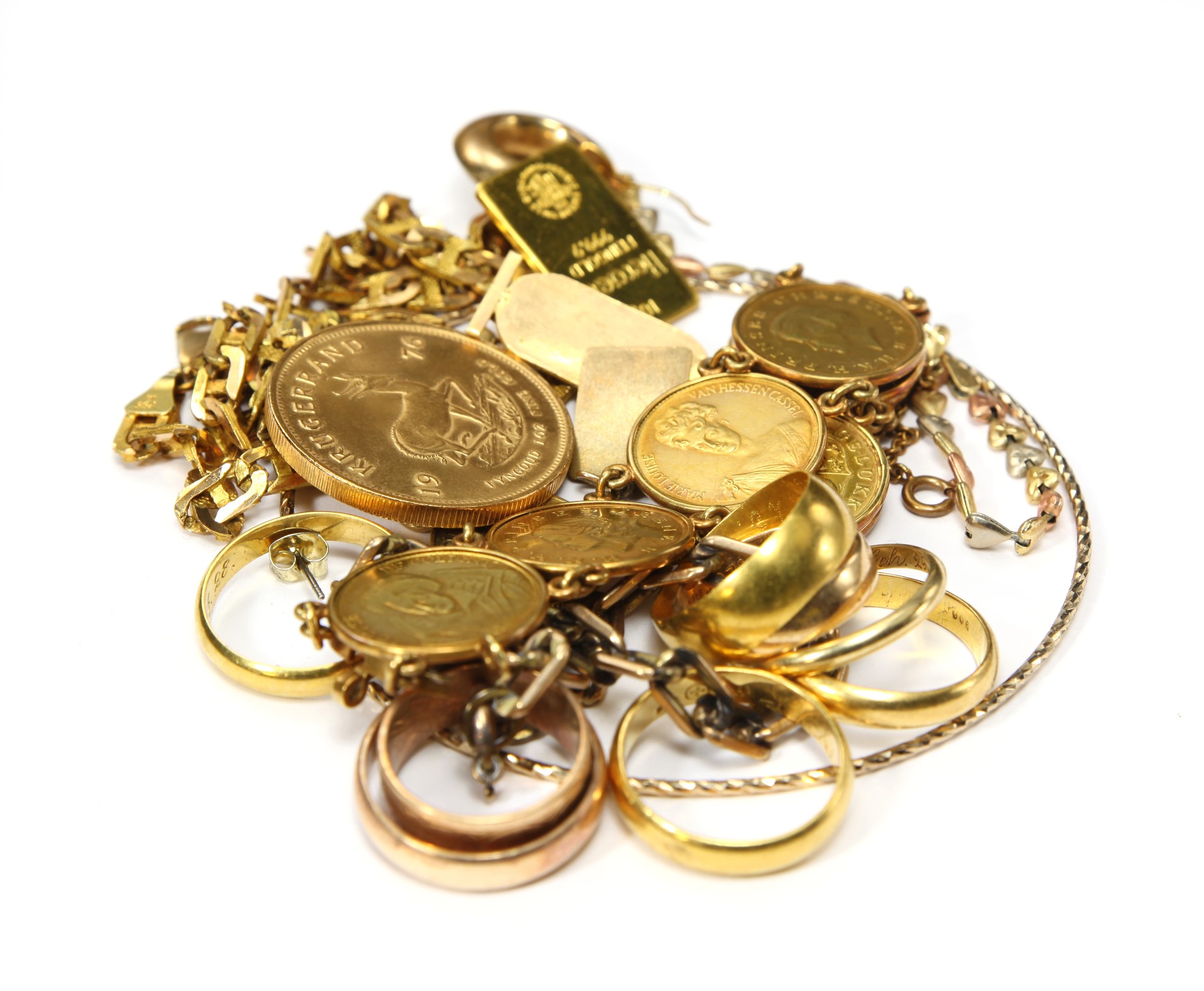
Selling gold can be an excellent way to access the financial value of unwanted jewellery, inherited pieces, scrap or broken items, or investment assets. However, many people make the mistake of assuming that all gold is valued in the same way. In reality, several factors can dramatically affect gold value, from purity and weight to rarity, craftsmanship, and collectability.
While online calculators may provide a rough estimate of gold value per gram for UK sellers to expect, they rarely tell the full story. Antique gold jewellery, rare designer pieces, and high-purity items can often achieve prices far beyond simple scrap gold valuations. Understanding what to check before you sell can help you avoid undervaluing your items and ensure you receive the fairest possible price.
How Gold Value Is Calculated
Before selling any gold item, it is important to understand how valuations are determined. Gold buyers will typically assess purity, weight, market conditions, and whether the item carries additional value beyond its metal content.
Gold Purity and Hallmarks
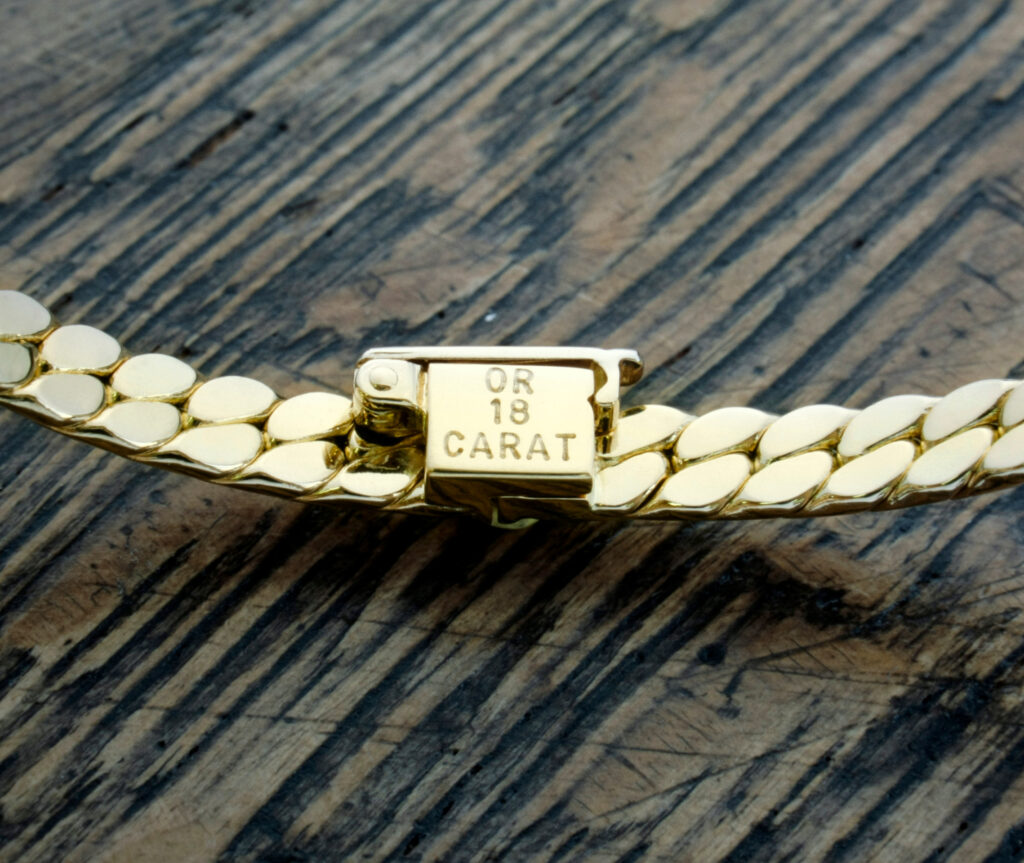
One of the first things to check is the purity of the gold. Gold purity is measured in carats (ct, sometimes written as karats or “k” for American jewellery), which indicates how much pure gold is present within the item.
Common purities include:
- 9ct gold
- 14ct gold
- 18ct gold
- 22ct gold
- 24ct gold
In the UK, 9ct and 18ct gold are among the most common standards, while higher-purity gold is often seen in investment pieces or jewellery originating from overseas markets.
Hallmarks can provide valuable information about a piece, including:
- Gold purity
- Country of origin
- Assay office
- Date marks
- Maker’s marks
Understanding purity is essential because 9ct gold value per gram will naturally differ from 14ct gold gram value or 22ct valuations due to the amount of pure gold contained within the item.
Many sellers are surprised to discover that two visually similar pieces can have significantly different values based solely on purity.
Weight and Current Gold Prices
Gold is usually valued by weight, most commonly in grams or troy ounces. Current global market prices influence the value of gold daily, meaning valuations can fluctuate regularly depending on economic conditions and investor demand.
However, while market pricing provides a useful benchmark, it is only part of the valuation process. A gold bracelet weighing 50 grams may still be worth considerably more than its melt value if it is antique, designer-made, or historically significant. Meanwhile, a kilo of gold bars is only likely to be worth its weight in gold.
Scrap Value vs Market Value
Many people assume their gold will only be assessed for scrap value, but this is not always the case.
Scrap value refers to the raw value of the precious metal itself once melted down. This calculation is usually based on:
- Weight
- Purity
- Current market price
Gold scrap value can vary considerably depending on the buyer’s expertise and business model. At Burlingtons Ltd., items are not simply reduced to their melt value. Antique jewellery, signed pieces, rare designs, and collectable items are assessed individually to determine whether their historical or artistic value exceeds their scrap gold price.
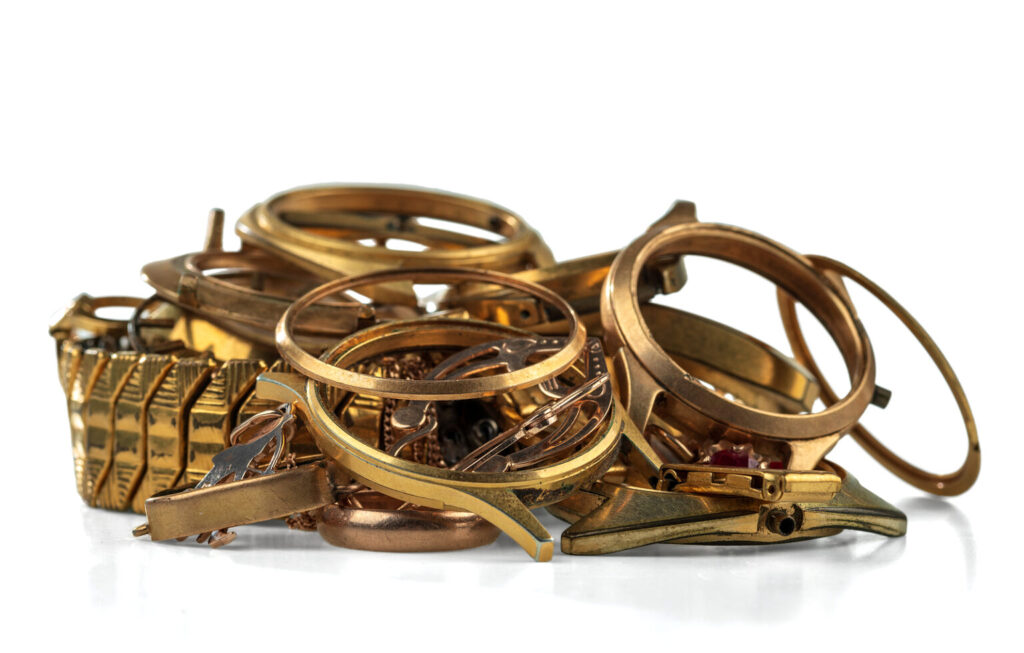
Antique Gold vs Scrap Gold — Which Is Worth More?
Antique gold can often carry significant value beyond its gold content alone, meaning antique items are often worth more than scrap gold.
An antique gold ring, necklace, or brooch may be desirable because of:
- Age
- Craftsmanship
- Rarity
- Designer attribution
- Historical importance
- Gemstones
- Collector demand
Victorian, Edwardian, Art Deco, and Georgian jewellery pieces are particularly sought after among collectors and enthusiasts.
Is Scrap Gold Ever Worth More Than Antique Gold?
There are situations where antique items may only hold scrap value, particularly if they are:
- Heavily damaged
- Missing important components
- Poorly repaired
- Extremely worn
- Common in design
This is why professional assessment is so important before selling. An experienced buyer can determine whether your item should be valued as scrap gold or as a collectable item. We evaluate each piece individually to ensure clients fully understand the true market value of their items before making any decisions.
Vintage or Antique Gold — Which Has a Higher Value?
Many people use the terms “vintage” and “antique” interchangeably, but they are not quite the same. Generally, antique items are over 100 years old. Meanwhile, vintage items are usually between 20 and 99 years old.
Age alone does not determine value. In some cases, vintage gold pieces can outperform older antiques depending on:
- Brand or designer
- Condition
- Gemstones
- Rarity
- Current demand
- Style trends
For example, vintage Cartier or Van Cleef & Arpels jewellery may command extremely high prices despite being newer than some antique pieces. Likewise, certain antique items may carry modest value if they are heavily damaged or lack collector appeal.
Ultimately, the highest-value pieces tend to combine several important qualities:
- Strong craftsmanship
- Excellent condition
- High gold purity
- Recognisable design
- Historical interest
- Market demand
Indian Gold vs UK Gold — What’s the Difference?
The differences between Indian gold and UK gold are often significant and can affect valuation. In the UK, 9ct gold is extremely common because it offers durability and affordability. British jewellery is also typically fully hallmarked under strict hallmarking regulations.
Indian gold, by contrast, is often much higher in purity. Many traditional Indian gold items are crafted in 22ct gold and 24ct gold. This higher purity means Indian gold often has a higher gold content, a richer yellow colour, and greater scrap value per gram.
However, purity is not the only factor affecting value. Traditional Indian jewellery can also carry additional value because of:
- Intricate craftsmanship
- Cultural significance
- Handmade techniques
- Weight
- Collector interest
Similarly, British antique gold jewellery may carry substantial value because of its historical significance and rarity, even if the purity is lower. This is why understanding both the gold content and the wider market appeal of a piece is essential before selling.
Other Important Things to Check Before Selling Gold
Several additional details can influence how much your gold is worth.
Maker’s Marks and Signatures
Designer and maker signatures can significantly increase value. Jewellery from prestigious houses often achieves prices well above standard gold rates.
Original Boxes and Documentation
Original packaging, certificates, receipts, and provenance documents can strengthen collector appeal and increase confidence for buyers.
Gemstones
Many gold items contain diamonds, sapphires, rubies, emeralds, or other valuable stones that should be assessed separately from the gold itself.
Signs of Age and Craftsmanship
Handmade antique jewellery often contains craftsmanship details that cannot easily be replicated today. These features may increase value considerably.
Market Conditions
Gold prices fluctuate daily. Monitoring the value of gold shares and stock, and broader market trends, can help sellers choose an advantageous time to sell.
Sets and Matching Pieces
Complete sets often carry more value than individual pieces sold separately. Matching gold jewellery collections, silverware, or dressing table sets may appeal strongly to collectors.
Repairs and Alterations
Previous repairs can sometimes reduce value, particularly for antiques, while maintaining an item’s appearance without replacing parts or over-cleaning may improve desirability. This is particularly true for gold jewellery, watches, and coins.
Why Broken or Damaged Gold Still Has Value
One of the biggest misconceptions about selling gold is that damaged items are worthless. In reality, broken gold can still hold considerable value.
Items we regularly assess include:
- Broken chains
- Single earrings
- Damaged bracelets
- Bent rings
- Scrap gold fragments
- Missing gemstone settings
- Unfinished gold items
Even when jewellery is no longer wearable, or the item is unusable, the gold itself still retains intrinsic value.
In some cases, damaged pieces may even carry value beyond scrap because:
- They can be restored
- Components can be reused
- The design remains collectable
- The piece may be rare or antique
Broken luxury watches, damaged antique jewellery, and incomplete gold sets can all remain highly desirable to specialist buyers and collectors. Before assuming an item only has scrap value, it is always worth seeking professional advice.
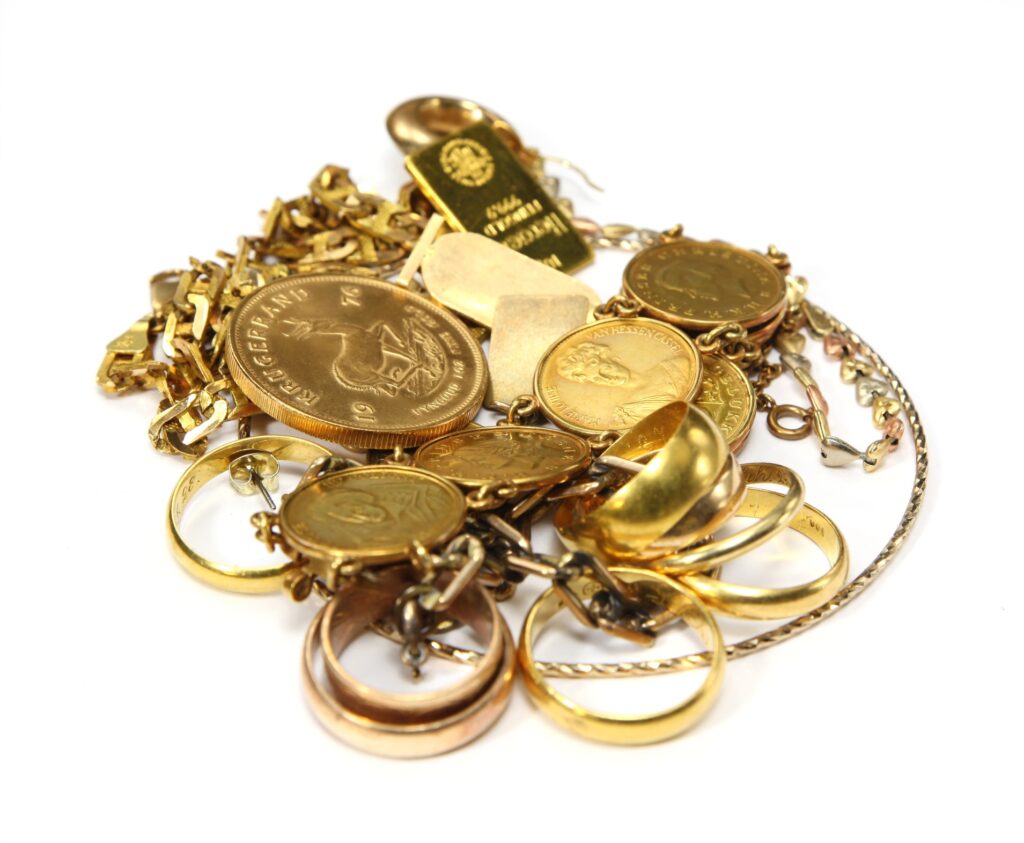
Why Professional Gold Valuation Matters
Online valuation tools can provide a rough estimate of gold value, but they rarely account for the many factors that influence what an item is truly worth. High street gold buyers often focus purely on melt value. Meanwhile, working with auction houses can involve lengthy waiting times, commission fees and insurance charges, and an uncertain outcome as you don’t know if a buyer will be found.
Our valuation process is entirely personal and transparent. Our specialists personally assess:
- Gold purity
- Weight
- Craftsmanship
- Historical significance
- Designer attribution
- Collector demand
- Current market trends
This expert approach often allows us to offer prices unachievable at auction while avoiding hidden fees and delays.
Clients also benefit from:
- Immediate payment
- Home valuation services
- Discreet transactions
- Honest advice
- No-obligation assessments
With over 25 years of industry experience and an international network of collectors and buyers, we can identify sources of value that many standard gold buyers may overlook.
Discover the True Value of Your Gold with Burlingtons Ltd.
Whether you are selling antique gold jewellery, broken gold items, inherited pieces, investment gold, or specialist collectables, understanding the true value of your items is essential before making a decision. With immediate payment, no hidden fees, and decades of expertise in antique and luxury goods, Burlingtons Ltd. provides a trusted alternative to traditional auction houses and standard gold buyers.
Contact us today to arrange a personal gold valuation and discover what your items may truly be worth.