Whether it’s a family heirloom, an investment piece, or something you’ve carefully chosen over time, all gold jewellery tells a story. However, without the right care, even the finest pieces can lose both beauty and value.
Understanding how to maintain your gold jewellery keeps it looking at its best, and also preserves its integrity. This helps ensure its long-term value and helps determine when expert insight is needed. At Burlingtons Ltd., we regularly see how condition, repairs, and storage can significantly influence what a piece is truly worth.
Why Maintenance Matters for Gold Jewellery
Gold is a durable and timeless material, but it’s not immune to wear. Over time, everyday use can lead to scratches, misshaping, or subtle damage that may go unnoticed until it affects value. Equally, well-intentioned cleaning or repair attempts can sometimes do more harm than good. Knowing how to care for your jewellery properly ensures that when the time comes to sell, you are presenting it in the best possible condition.
How Gold Jewellery Wears Over Time
Not all gold jewellery wears in the same way. The purity of gold plays a significant role in how a piece looks, feels, and holds up over time. Pure gold (24ct) is naturally soft, which makes it less suitable for everyday jewellery. To improve durability, gold is often alloyed with other metals, creating variations such as 18ct, 14ct, and 9ct gold. These alloys increase strength, making the jewellery more resistant to bending and surface wear.
Higher purity pieces, such as 18ct gold, contain a greater proportion of pure gold. While this gives them a richer colour and often a higher intrinsic value, it also means they are softer and more prone to scratches and minor dents over time. In contrast, lower purity gold, such as 9ct, is harder and more durable, making it better suited to frequent wear, though it may not carry the same market value.
Cleaning Gold Jewellery at Home
Cleaning gold jewellery at home can be simple and effective when done correctly, and a gentle approach is always best. Warm water, a small amount of mild soap, and a soft cloth or brush are usually sufficient to remove everyday dirt and oils. After cleaning, drying the piece thoroughly with a soft, lint-free cloth helps restore its natural shine.
It’s important to avoid harsh chemicals, abrasive materials, or aggressive polishing. These can wear down the surface of the gold or damage delicate details, particularly on antique or intricate pieces.
When Not to Clean Gold Jewellery Yourself
If a piece feels fragile, contains stones, or has sentimental or high financial value, it’s often best to leave cleaning to a professional.
How Often Should You Maintain or Check Your Jewellery?
Gold jewellery does not require constant attention, but a simple, consistent routine can make a significant difference in preserving both its appearance and value over time. For everyday pieces, light cleaning every few weeks is usually sufficient. This helps to remove the build-up of oils, dust, and general wear from daily use, keeping the surface bright without risking unnecessary wear from over-cleaning. More delicate or antique items, on the other hand, should be cleaned less frequently and handled with extra care.
In addition to cleaning, it’s worth carrying out a quick visual check every so often. Look for subtle signs of wear, such as loose clasps, slight bends, or stones that may have shifted. Catching these early can prevent more serious damage from developing. A more thorough inspection is advisable once or twice a year, particularly for high-value or sentimental pieces. If you notice anything unusual or if a piece has not been assessed in some time, seeking professional advice can provide reassurance.
Light Repairs You Can Carry Out Yourself
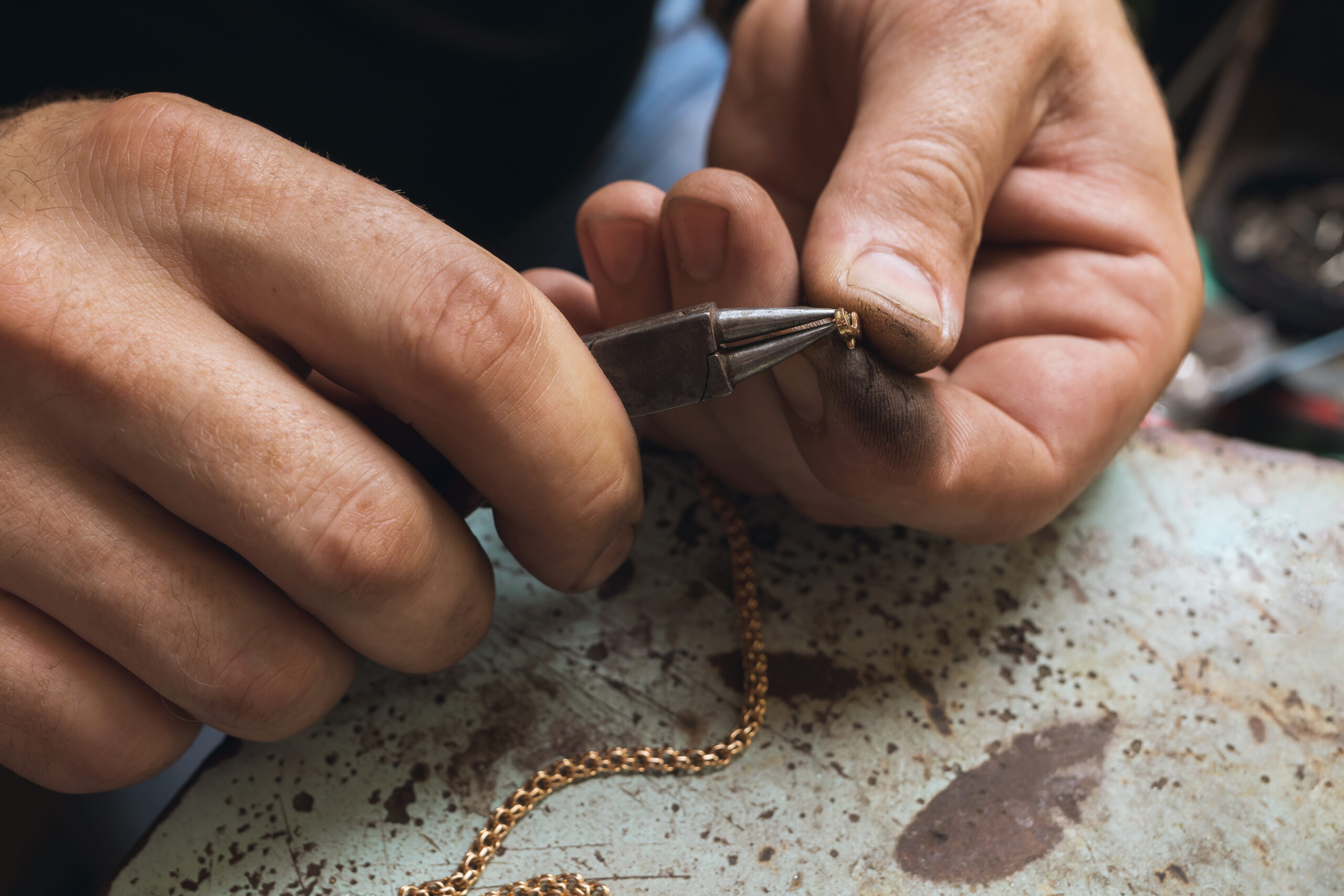
There are a few minor adjustments that can safely be handled at home. Straightening a slightly misaligned clasp or gently untangling a chain can often be done with care and patience. However, anything beyond this should be approached with caution. Repairs such as resizing rings, soldering breaks, or resetting stones require specialist expertise. Attempting these at home can permanently alter the piece and significantly reduce its value. Worse still, there is a chance you could damage the piece further if you’re not careful.
When in doubt, it is always better to preserve the original condition rather than risk unnecessary damage.
What Kinds of Damage Affect Gold Jewellery Most?
Certain types of damage are particularly common and can have a noticeable impact on value. Surface scratches are often the result of daily wear and, while sometimes unavoidable, can dull the finish over time. More serious issues include bent or misshapen pieces, which can compromise structural integrity, and loose or missing stones, which can dramatically reduce desirability.
Previous repairs can also affect value, especially if they have been carried out poorly or with mismatched materials. These alterations are often more visible than expected and can influence how a piece is assessed.
How to Tell if a Piece Has Been Altered or Repaired
Signs of alteration to gold jewellery pieces are not always immediately obvious, but there are a few indicators. For example, you may notice slight colour differences where soldering has taken place, or uneven joins where a ring has been resized. Changes in texture, finish, or symmetry can also suggest that previous work has been carried out.
In some cases, repairs are expertly done and difficult to detect without trained knowledge. This is where professional evaluation becomes particularly valuable, as even subtle changes can affect both authenticity and market value.
Patina and Gold Jewellery
Over time, gold jewellery can develop a natural patina. This is a soft, aged appearance that reflects its history. In many cases, particularly with antique pieces, this patina is highly desirable and adds character. Over-polishing can remove this surface layer, stripping the piece of its originality and, in some cases, reducing its appeal to collectors. Understanding when to preserve patina rather than restore a bright finish is key, especially for older or period-specific items.
How to Store Gold Jewellery Properly
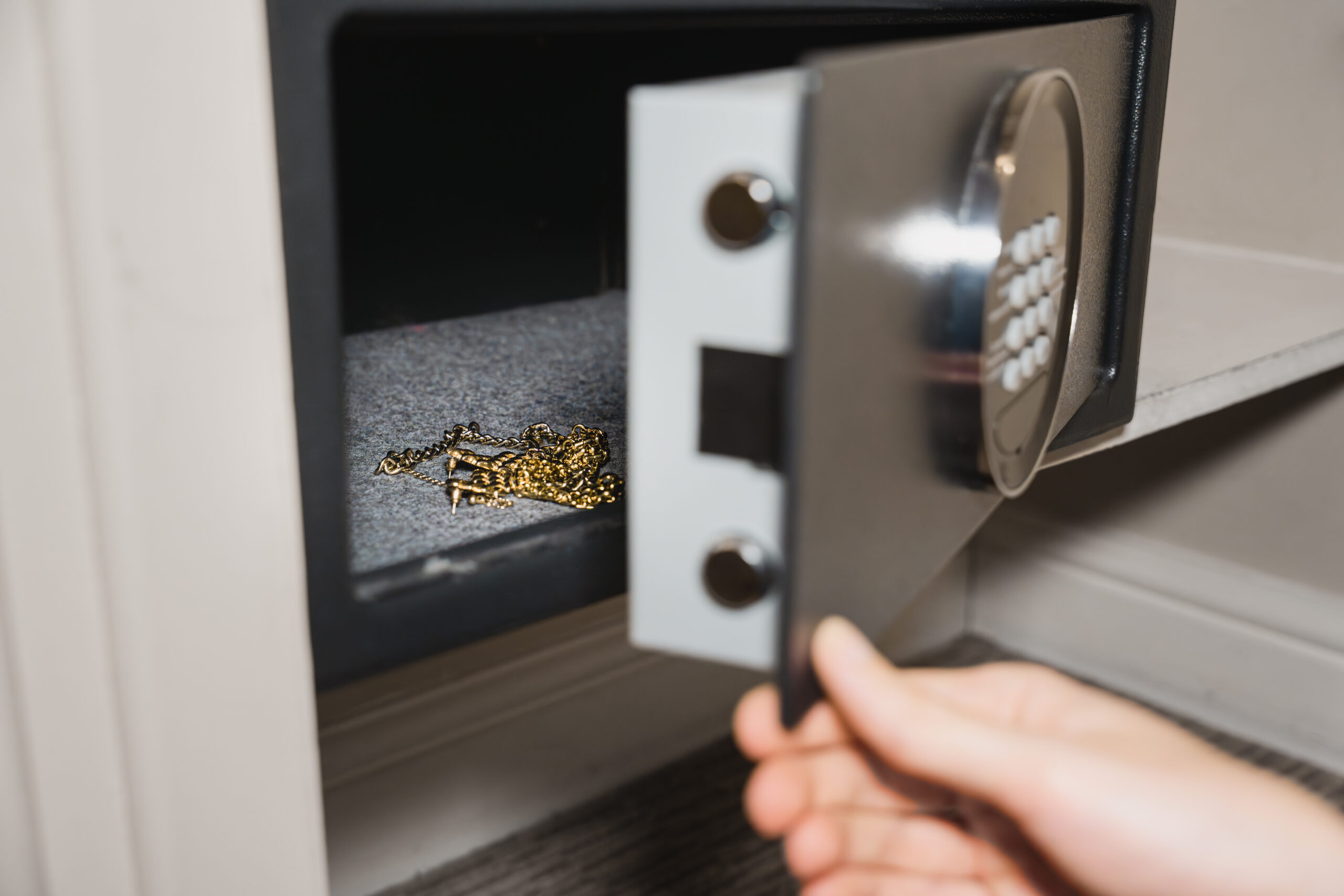
Proper storage plays a significant role in maintaining condition. Gold jewellery should ideally be stored separately to prevent pieces from scratching one another. Soft-lined boxes or individual pouches offer protection, while keeping items organised reduces unnecessary handling and wear.
Avoid storing jewellery in areas exposed to moisture, heat, or fluctuating temperatures, as these conditions can affect both the metal and any accompanying stones.
Taking a little extra care in how your jewellery is stored can make a noticeable difference over time.
When to Seek a Professional Valuation
If you’re ever unsure about the condition of your jewellery, suspect it may have been altered, or simply haven’t had it assessed in years, a professional valuation can provide clarity.
At Burlingtons Ltd., we often find that pieces clients consider worn, damaged, or of limited value can be far more significant than expected. Equally, understanding the true condition of a piece ensures you make informed decisions, whether you choose to keep or sell.
Considering Selling Your Gold Jewellery?
Maintaining your gold jewellery is important, especially if you’d like to know what it’s truly worth. We provide a personal, discreet home valuation service that provides tailored insight for free, at no obligation to sell. With over 25 years of experience and an extensive international network of collectors, we are able to offer highly competitive prices that often exceed those achieved at auction.
There are no fees, no hidden costs, and if you choose to sell, payment is made immediately.
Whether your pieces are in pristine condition, have been repaired, or simply haven’t been assessed in years, they may be worth far more than you expect. Contact us today to arrange your private valuation and discover the true value of your gold jewellery.