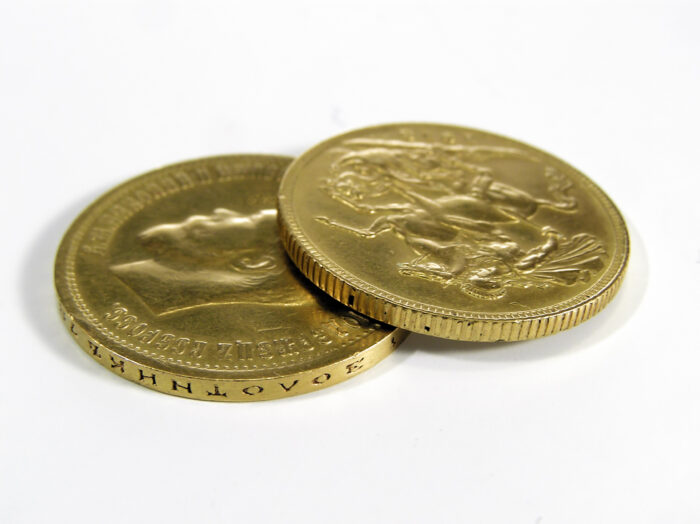
Gold Sovereigns have long held a special place in British coin collecting. For many enthusiasts, the journey begins with having an appreciation for their gold content and historic designs, and knowing some of the basics of collecting gold coins. However, as collectors gain experience, their focus often shifts toward building a more refined and valuable collection. Understanding which Sovereigns are most desirable, how condition affects value, and how collectors assess rarity can make a significant difference when expanding a collection.
While gold Sovereigns are admired for their enduring beauty and historical significance, advanced collectors often approach them with a more strategic eye. By focusing on key dates, exceptional condition, and coins tied to important historical periods, it is possible to assemble a gold Soveriegn collection that reflects both personal interest and long-term value.
Understanding the Best Years for Gold Sovereigns
One of the most important aspects of advanced collecting is recognising which periods offer the most interesting or valuable coins. While different types of Sovereigns have been produced for centuries, certain eras stand out among collectors.
Victorian Sovereigns
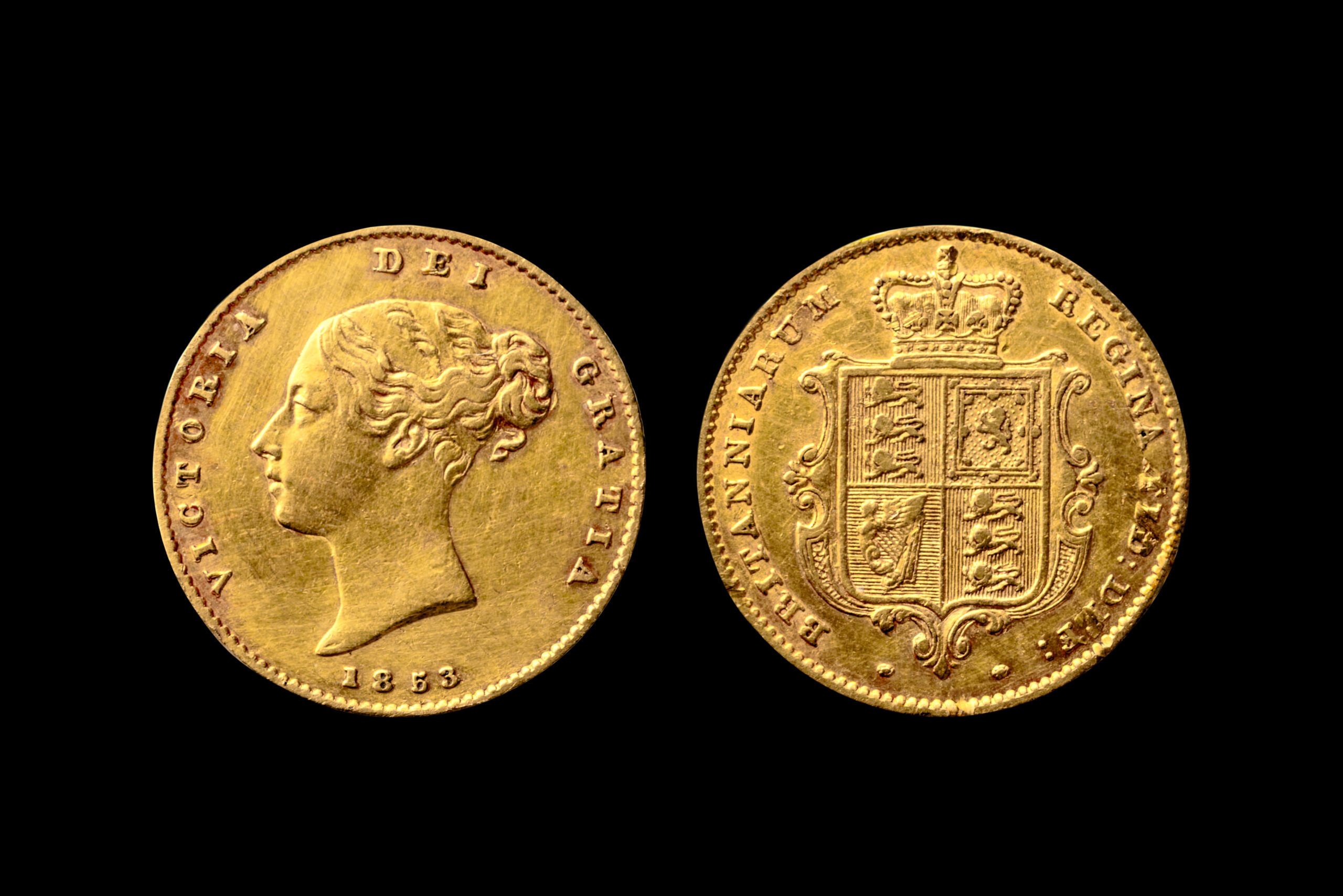
Victorian Sovereigns remain among the most admired coins in British numismatics. Queen Victoria’s long reign resulted in a remarkable variety of designs and minting styles, making this period particularly appealing to collectors who enjoy exploring different variations. Early “Young Head” Sovereigns and the distinctive Shield Back designs are especially admired for their craftsmanship and historical significance.
Edwardian Sovereigns
Edwardian Sovereigns, struck during the reign of King Edward VII, represent a shorter but highly collectable period. Because Edward VII ruled for only nine years, Sovereigns from this era are less abundant than those from Victoria’s reign. This relative scarcity makes certain dates especially desirable to collectors who wish to complete a comprehensive set of British monarch Sovereigns.
Sovereigns From 1910-Onwards
George V Sovereigns are also highly collectable, particularly those minted during the early twentieth century. These coins often reflect a fascinating historical context, having been produced during a period that included the First World War and major economic changes across the British Empire.
Modern Sovereigns have also attracted growing interest in recent years. Proof editions and limited commemorative releases appeal to collectors who value flawless finishes and controlled mintages. While these coins are newer, they can still hold considerable appeal due to their quality and presentation.
Why are Modern Sovereigns More Collectable Than Tudor Sovereigns?
Tudor Sovereigns (minted from 1489 to 1604) are generally not directly comparable to what we call the “modern gold Sovereign.” They are far larger, heavier, and rarer, and were produced in very small numbers because they were introduced before modern minting standards. This is why they’re also not part of the modern monetary system. For these reasons, they’re generally considered museum-level numismatic pieces rather than coins as would be typically seen in standard Sovereign collections.
Collecting Victorian Sovereigns Over Georgian Sovereigns
Most gold Sovereign collectors begin their collections with coins from Queen Victoria’s reign (1837–1901), simply because they are more widely available and offer a large variety of designs and mint marks.
For collectors looking to build a historically complete set of Sovereigns, obtaining an early George III example from the 1817–1820 period is often seen as an important milestone. These early coins are particularly desirable due to their historical importance and relatively limited survival compared to later Victorian issues.
Key Sovereigns That Stand Out to Collectors
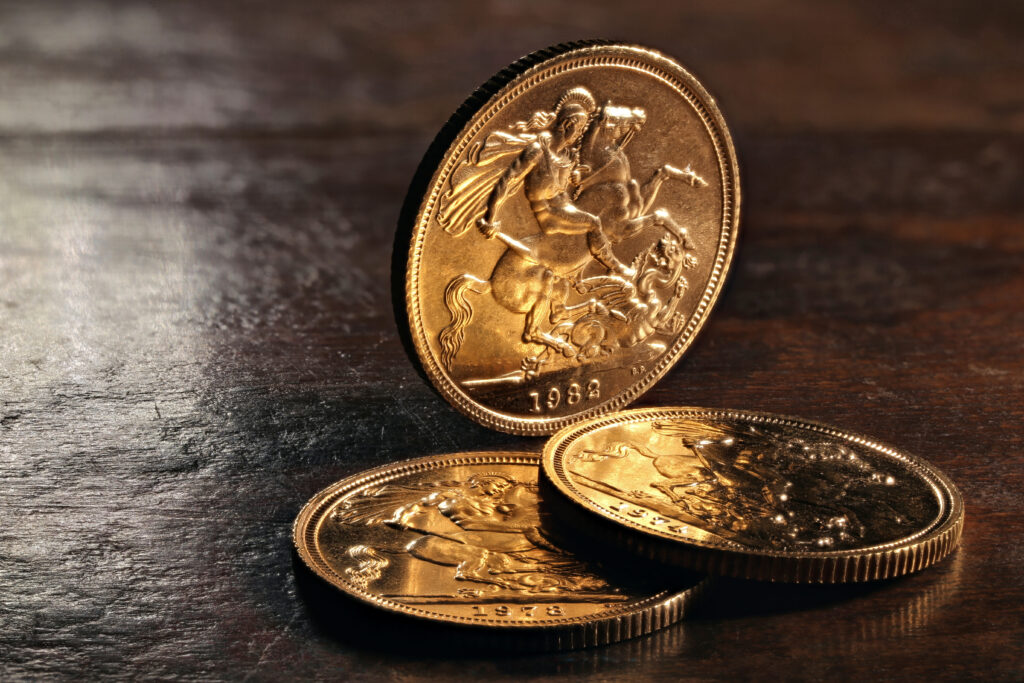
As your collection develops, you may choose to begin seeking specific Sovereigns that represent milestones in British coinage. The 1817 Sovereign is particularly significant for this, as it was the first modern Sovereign issued after the Great Recoinage of 1816. Designed by Benedetto Pistrucci, the famous depiction of St George slaying the Dragon debuted on this coin and remains one of the most recognised images in British coinage today.
Coins minted in overseas branches of the Royal Mint, such as Sydney, Melbourne, Perth, Ottawa, and Mumbai, also attract strong collector interest. These mint marks reflect the global reach of the British Empire and add another fascinating dimension to collecting these coins.
In more recent years, proof Sovereigns and special commemorative releases have become highly sought after by modern collectors who appreciate limited mintages and exceptional finishes. Examples of these include:
- Anniversary Sovereigns
- Coronation editions, including the 2023 Coronation Sovereign, which was the first Sovereign coin to feature Charles III’s crowned portrait
- Jubilee releases, such as the 2022 Platinum Jubilee Sovereign, which was the last Sovereign coin to feature Queen Elizabeth II on the obverse
- Limited collector sets
Understanding Gold Sovereign Grading
Condition plays a crucial role in determining the value of any collectable coin, and Sovereigns are no exception. Experienced collectors carefully examine the condition of each coin before adding it to their collection.
Several grading terms are commonly used when describing Sovereigns:
- Mint State (MS) refers to coins that show no signs of circulation. These coins retain their original mint lustre and sharp detail, making them particularly attractive to collectors.
- Proof (PF) coins are specially struck using polished dies and carefully prepared blanks. These coins are typically produced for collectors and display a distinctive mirror-like finish with highly detailed designs.
- About Uncirculated (AU) coins have seen minimal circulation and may show only the slightest traces of wear. While not as pristine as Mint State coins, they can still be highly desirable depending on the rarity of the date.
For collectors, the difference between these grades can have a substantial impact on value. Two Sovereigns from the same year may vary considerably in price depending on their condition.
How Collectors Value and Trade Sovereigns
Gold Sovereigns’ value can be influenced by both their gold content and their numismatic appeal. While the gold itself provides a baseline value, collectors often look beyond the metal when assessing a coin’s true worth. Factors such as rarity, historical significance, mint mark, and condition can all contribute to desirability. Coins tied to important historical periods or limited mintages are often particularly sought after.
Collectors frequently refine their collections over time by upgrading coins or acquiring rarer examples. This process often involves selling duplicates or coins in lower grades in order to obtain more exceptional pieces. For this reason, the Sovereign market remains active among collectors and dealers, as well as those looking to invest.
Selling Gold Sovereigns
If you own gold Sovereigns and are considering selling them, obtaining an expert valuation is the first step in understanding their true worth. At Burlingtons Ltd, we offer a discreet and personal service for individuals looking to sell valuable gold coins, including Sovereigns. With over 30 years of experience in antique jewellery, rare coins, and luxury collectables, we assess each coin carefully and provide a fair market valuation.
Unlike auction houses, we provide a straightforward process with no hidden fees and immediate payment if you choose to sell. Part of this often includes a private home visit, allowing your coins to be assessed to your comfort and convenience.
Book Your Free Valuation
Whether you are refining a collection, selling inherited coins, or simply curious about the value of your Sovereigns, we’ll provide an honest and reliable service. Contact us today to arrange a valuation and discover what yours may be worth.