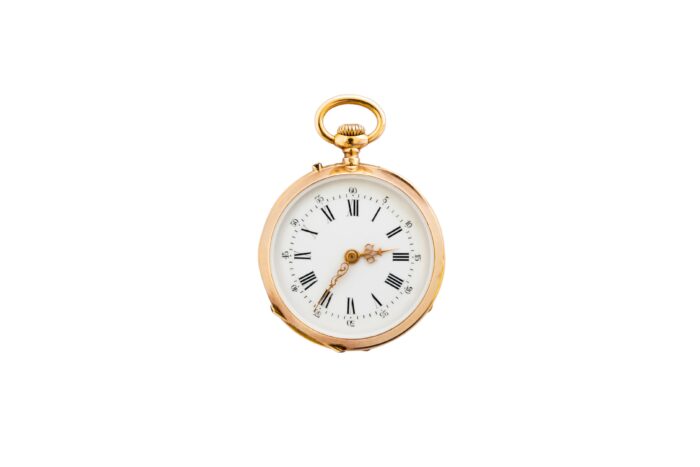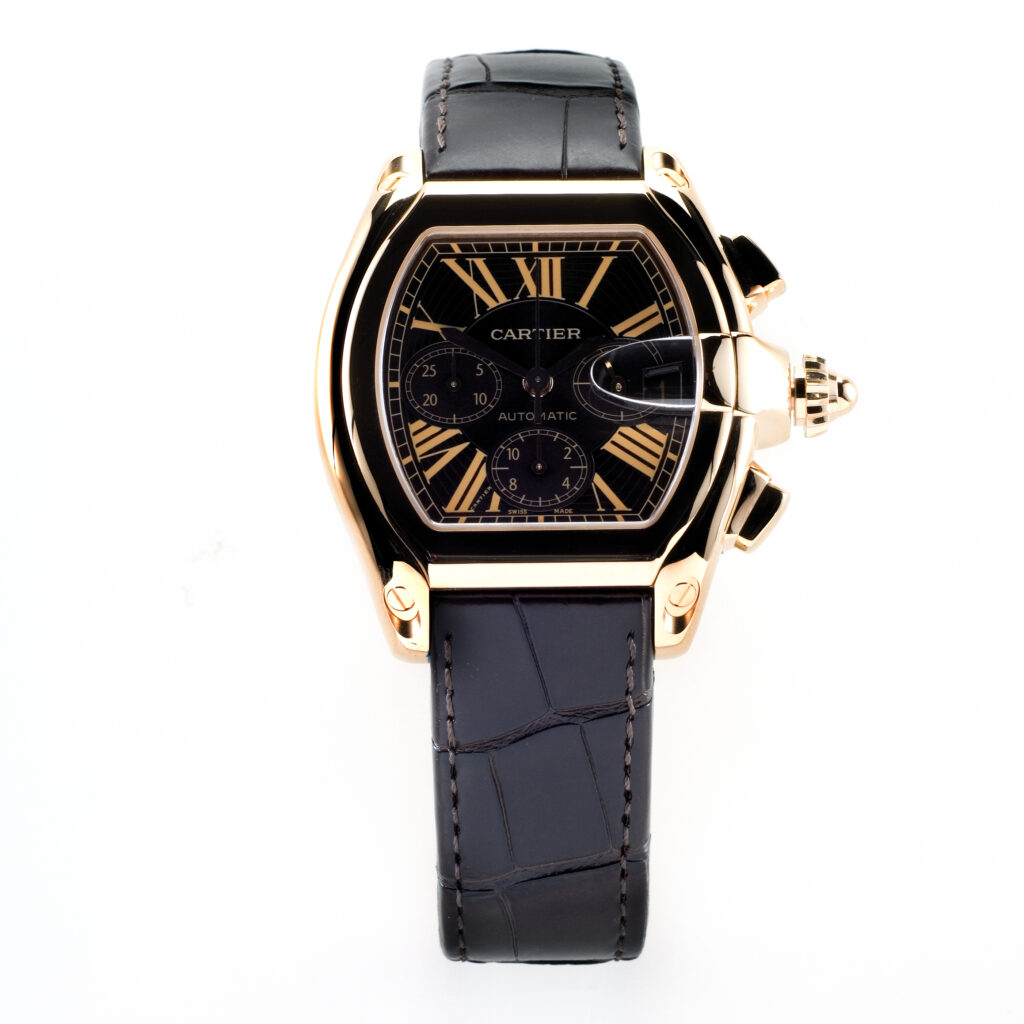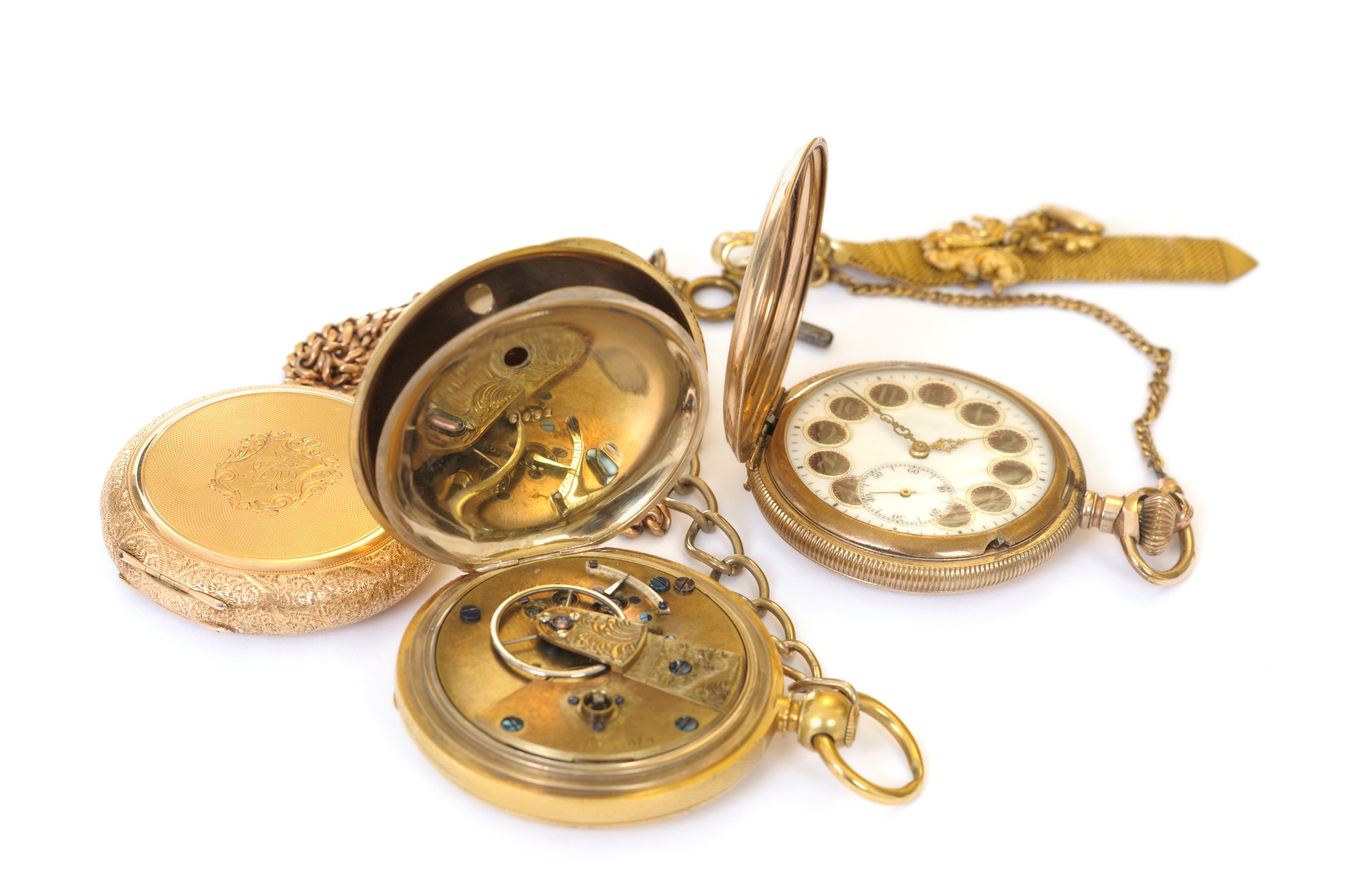
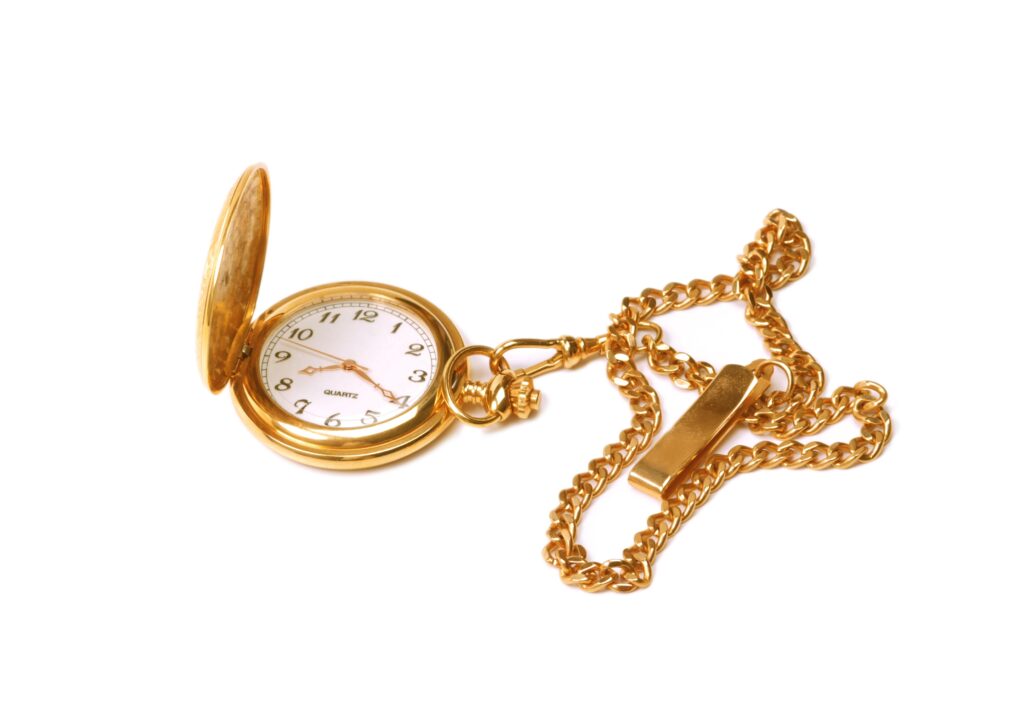
A gold pocket watch can be far more than a practical timepiece. It may represent an important period of watchmaking, carry generations of family history, or have considerable financial value. Whether you’ve inherited an antique piece, acquired one as a collector, or even rediscovered an old, forgotten purchase among your possessions, caring for it correctly can help preserve the qualities that make it special.
However, maintenance and restoration are not the same thing. Gentle, preventative care can protect a watch from further deterioration. Meanwhile, unnecessary polishing, unsuitable replacement parts, or extensive refinishing could affect its originality and value.
If you’re considering selling a gold pocket watch, you don’t need to restore it before arranging a valuation. We’ll buy gold pocket watches in many different conditions, including worn, damaged, and non-working examples. This being said, valuations tend to be higher when a watch is in better condition, and there are some steps you can follow at home to preserve what you have.
How to Maintain a Gold Pocket Watch
A gold pocket watch should always be handled carefully, even if its case appears substantial. The gold case, delicate dial, and intricate mechanical movement can all be affected by unsuitable handling or storage.
A few simple precautions can help protect your watch:
- Handle it with clean, dry hands to prevent moisture, oils, and dirt from accumulating.
- Store it separately from other jewellery in a lined box, watch case, or soft protective pouch.
- Keep it in a dry place away from excessive humidity and significant changes in temperature.
- Avoid dropping, knocking, or shaking the watch, as an impact can damage both the case and the movement.
- Keep it away from strong magnetic fields, which may interfere with the accuracy of a mechanical movement.
- Never use abrasive cloths, metal polish, or household cleaning products on the case.
- Wind the watch gently and stop if you feel resistance. Never force the crown or winding key.
Some antique pocket watches were designed to be wound with a key, while others have a crown-wound movement. If you are unsure how your watch operates, it’s better not to experiment. Forcing the winding mechanism could damage components that are difficult or expensive to replace.
You should also avoid opening the watch unless you have the necessary experience. Dust, moisture, and accidental contact can damage the movement, while improper handling may leave marks on the case or its internal covers.rom a renowned maker may be worth considerably more than an older but more common antique example.
When Does a Gold Pocket Watch Need Professional Attention?
A pocket watch does not necessarily need to be restored simply because it shows signs of age. Nevertheless, certain problems should be assessed by a watchmaker or knowledgeable specialist.
Professional attention may be advisable if:
- The watch does not wind or keep time
- The hands have stopped or move unpredictably
- The crown, bow, hinges, or covers are loose or damaged
- The case is dented or no longer closes correctly
- There is moisture or condensation beneath the glass
- The crystal, dial, or hands are damaged
- The movement has visible rust, dirt, or corrosion
- The watch makes an unusual sound when moved
If a watch appears damaged, avoid repeatedly winding or operating it. Continuing to run a movement with worn, dry, or damaged components can cause further problems.
Before authorising any work, ask for a clear explanation of what the watch requires. A reputable professional should be able to distinguish between essential mechanical servicing, cosmetic improvements, and more extensive restoration.
Does Restoring a Gold Pocket Watch Reduce Its Value?
Restoration does not automatically reduce the value of a gold pocket watch. Its effect depends on the age and rarity of the watch, the work undertaken, the parts used, and the standard of the restoration. A careful mechanical service that retains the watch’s original components may help preserve it and make it more appealing to a prospective buyer. Sensitive repairs to a damaged hinge or crystal may also be beneficial when completed by an experienced specialist.
More extensive restoration can be a different matter. Repainting the dial, heavily polishing the case, or replacing important components with modern alternatives may make the watch look newer, but it can also remove the original characteristics valued by collectors.
This is particularly important for rare watches and those made by prestigious manufacturers. In these cases, an aged but original example may be more desirable than a watch that has undergone substantial cosmetic restoration.
As a general rule, conservation and minimal intervention are preferable to making an antique watch look brand new. If you intend to sell, arrange a valuation with a specialist before commissioning restoration so that you can make an informed decision.
What Is Considered “Original Condition” in a Pocket Watch?
A pocket watch in original condition retains as many of its authentic, period-correct components and finishes as possible. Depending on the watch, these could include:
- The original movement
- The original gold case and internal covers
- The original dial and hands
- The original crown, bow, or winding mechanism
- Visible hallmarks, engravings, and serial numbers
- The original surface finish of the case
We should note that “original condition” does not mean “perfect condition”. Fine scratches, subtle changes in colour, and other signs of careful use are to be expected on a watch that may be more than a century old. These characteristics can form part of its history and are often a fascinating element to collectors.
A watch may also still be valuable if it has received repairs during its lifetime. Antique timepieces were once practical possessions, and many were serviced or repaired regularly. The effect on value will depend on what was changed, when the work was completed, and whether the replacement components are appropriate and characteristic of the watch itself.
Should You Polish an Antique Gold Pocket Watch?
It’s usually best to avoid polishing gold pocket watches before obtaining professional advice. It may remove scratches and make the gold appear brighter, but it also removes a very fine layer of metal. Repeated or aggressive polishing can soften the definition of a case, blur decorative details, diminish engraving, and make hallmarks more difficult to read. It may also remove an original finish that collectors would prefer to preserve.
If the case is dusty, it can be wiped very gently with a clean, soft, and dry cloth. Do not use gold polish, abrasive materials, chemical cleaners, or cleaning solutions. Liquids can enter the case and damage the dial or mechanical movement.
If deeper cleaning is required, it should be entrusted to a professional who understands antique gold watch cases. Anyone planning to sell a watch should ideally leave it as found until it has been valued.
Do Scratches and Dents Significantly Reduce Value?
Scratches and dents can affect value, but their impact varies considerably. Light surface scratches and age-related wear are common on antique pocket watches. They do not necessarily cause a significant reduction in value, especially when the watch remains attractive and retains its original finish. In some cases, collectors may prefer these honest signs of age to evidence that the case has been heavily polished.
Deep dents, split hinges, missing covers, and distorted cases can have a greater effect. However, a watch’s condition is only one part of a valuation. An expert will also consider factors such as:
- The purity and weight of the gold
- The manufacturer and age of the watch
- The quality and complexity of its movement
- The rarity of the model
- The originality of its components
- Its provenance and accompanying documentation
- Current demand among collectors
A damaged watch should therefore never be dismissed as worthless.
Can Replacement Parts Lower the Value of a Gold Pocket Watch?
Replacement parts can lower a watch’s value when originality is particularly important to collectors. It depends on the component that has been replaced and whether the substitute is historically appropriate. A replacement dial, movement, or case is generally more significant than a new crystal or another component that would naturally be replaced through normal maintenance. Modern hands, crowns, and winding components may also affect collector interest if they differ noticeably from the originals.
However, the presence of replacement parts does not automatically make a watch undesirable. A sympathetic period repair completed with a suitable component can be preferable to leaving the watch unusable or at risk of further damage.
If parts need to be replaced, ask a professional watchmaker to retain the originals and return them with the watch. Even damaged original components can provide useful evidence of history and construction.
How Important Is Dial Condition on a Gold Pocket Watch?
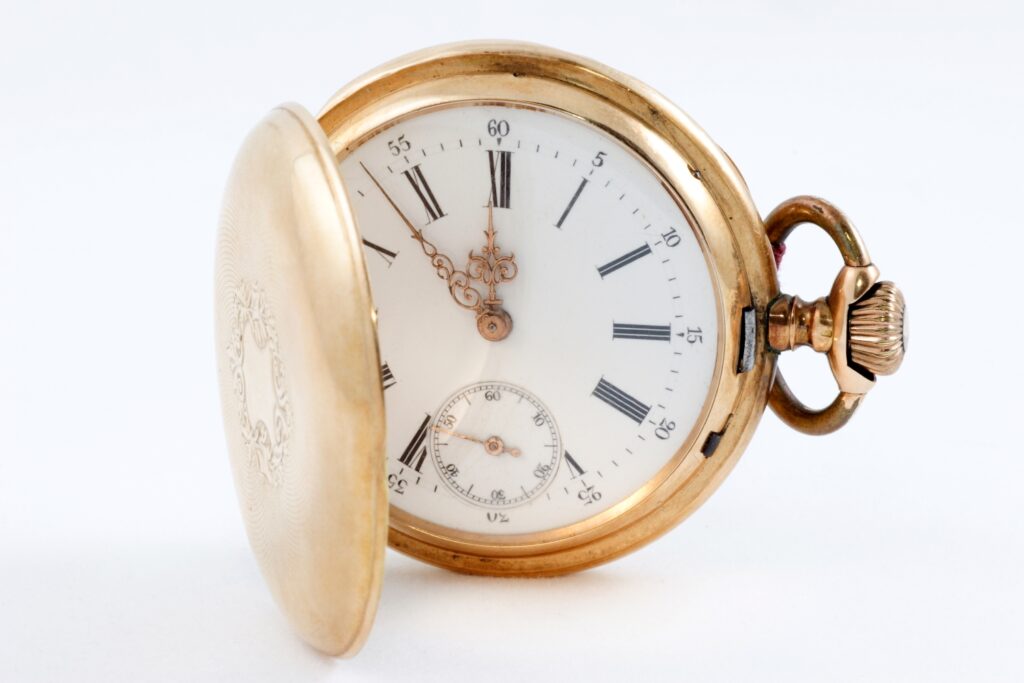
The dial is one of the first features noticed when a pocket watch is examined, so its condition can have a considerable influence on desirability. Collectors may look for cracks, chips, staining, fading, missing numerals, and evidence of previous refinishing. Enamel dials can develop fine hairline cracks, while painted or metal dials may discolour or wear over time.
Nevertheless, an original dial with light ageing can be more desirable than a repainted dial that looks flawless. Refinishing may alter the typography, minute track, signature, or other small details that help authenticate and date a watch.
The importance of dial condition will ultimately depend on the watch’s maker, rarity, and overall quality. A damaged dial may reduce value, but it does not prevent the watch from being collectable or saleable.produced beautifully engineered gold pocket watches that remain highly collectable today, especially when preserved in original condition.
Does Servicing Improve the Resale Value of a Gold Pocket Watch?
You should treat servicing and restoration as separate processes. Servicing normally involves examining, cleaning, lubricating, and regulating the movement. Restoration can extend to replacing components, repairing the case, or refinishing visible surfaces.
A recent service by a reputable watchmaker can reassure a prospective buyer that the movement is operating correctly. Receipts and service records can also provide useful evidence of how the watch has been maintained. However, the cost of servicing will not necessarily be recovered through a higher selling price. This is especially true if the watch requires complicated repairs or rare replacement components.
If you’re preparing to sell, we’d recommend obtaining an expert valuation first. The watch may be more attractive in its current condition, or a specialist may advise that only limited work is appropriate.
Should You Restore a Gold Pocket Watch Before Selling It?
In many cases, it’s best not to restore a gold pocket watch before offering it for sale. Altering it without first understanding its history and value could remove features that are important to collectors.
Before arranging a valuation:
- Leave the dial, case, and movement in their current condition
- Do not polish the gold case
- Avoid winding the watch if it feels stiff or appears damaged
- Keep any original boxes, chains, keys, certificates, and paperwork
- Gather any information you have about its ownership or family history
- Retain previous service and repair records
- Include any loose or removed components with the watch
A professional assessment will establish whether the watch is likely to benefit from servicing or whether it would be preferable to preserve it exactly as it is.
Selling Your Gold Pocket Watch to Burlingtons Ltd.
Whether your gold pocket watch is in excellent original condition, has previously been restored, or no longer works, it may still have significant value. Our experts at Burlingtons Ltd. can assess its gold content, maker, movement, age, condition, and current appeal to collectors.
With decades of experience in antique jewellery, rare watches, and valuable collectables, founder Daniel Ives offers an informed, personal, and discreet buying service. His extensive international network helps us understand current demand and identify the qualities that can make individual pocket watches particularly desirable.
Book Your Valuation
Contact us to discuss the gold pocket watch you would like to sell. Following an initial assessment, we can arrange a free, no-obligation home valuation where appropriate. Your watch can remain safely in your possession until you decide to proceed.
If you choose to sell, we offer a straightforward transaction with no auction delays, seller’s commission, or hidden charges, and payment is made immediately. Contact our team today to arrange your gold pocket watch valuation.