For centuries, gold has remained one of the world’s most trusted stores of wealth. From economic uncertainty and inflation to market volatility and global instability, investors have consistently turned to gold as a way to preserve value over the long term. Whether you are completely new to investing in gold or looking to diversify an existing portfolio, understanding how to invest in gold properly can help you make more informed financial decisions.
This guide explores everything you need to know before getting started.
What Makes Gold a Safe Investment?
One of the main reasons people invest in gold is because it has historically held its value over time. Unlike paper currencies, which can be affected by inflation and government policy, gold remains a globally recognised asset with its own intrinsic worth. For many, this makes it a “safe haven” asset. This means that during periods of economic instability, many investors will likely move their money into gold. When stock markets become volatile, or currencies weaken, demand for gold often increases. This can help protect wealth during uncertain times.
Another factor that makes gold appealing is its scarcity. Gold is a finite natural resource, and its limited supply helps support long-term value. Unlike currencies that can be printed or digital assets that can rise and fall dramatically based on speculation, physical gold offers something tangible and universally recognised.
Many investors also choose gold as part of a diversified investment strategy. Rather than relying entirely on stocks, shares, or property, investing in gold can help spread financial risk across different asset types.
Other Benefits of Investing in Gold
Gold is also considered a relatively liquid asset, meaning it can often be sold quickly when market conditions are favourable. Unlike some investments that require ongoing maintenance or management, physical gold can be securely stored and held over time with minimal upkeep.
Certain gold items, such as rare coins or antique jewellery, may also carry additional collector or historical value beyond the worth of the gold itself. For many investors, this combination of financial value, tangible ownership, and long-term appeal makes gold an attractive addition to a broader investment strategy.
An Important Note
That said, it is important to understand that gold prices can still fluctuate. The value of gold stock and gold share values can rise and fall depending on market conditions, interest rates, geopolitical events, and investor sentiment. While gold has historically proven resilient over the long term, investors should always approach any investment with realistic expectations and careful research.

The Different Ways to Invest in Gold
There is no single or “best” way to invest in gold. The right option often depends on your financial goals, level of experience, and personal preferences.
Physical Gold Investments
For many investors, buying physical gold remains the most attractive option. This includes gold bars, bullion, coins, and gold items. Gold bullion and bars are some of the most traditional forms of investment. They are available in different sizes and purities, making them suitable for both experienced investors and beginners looking to invest in gold in the UK.
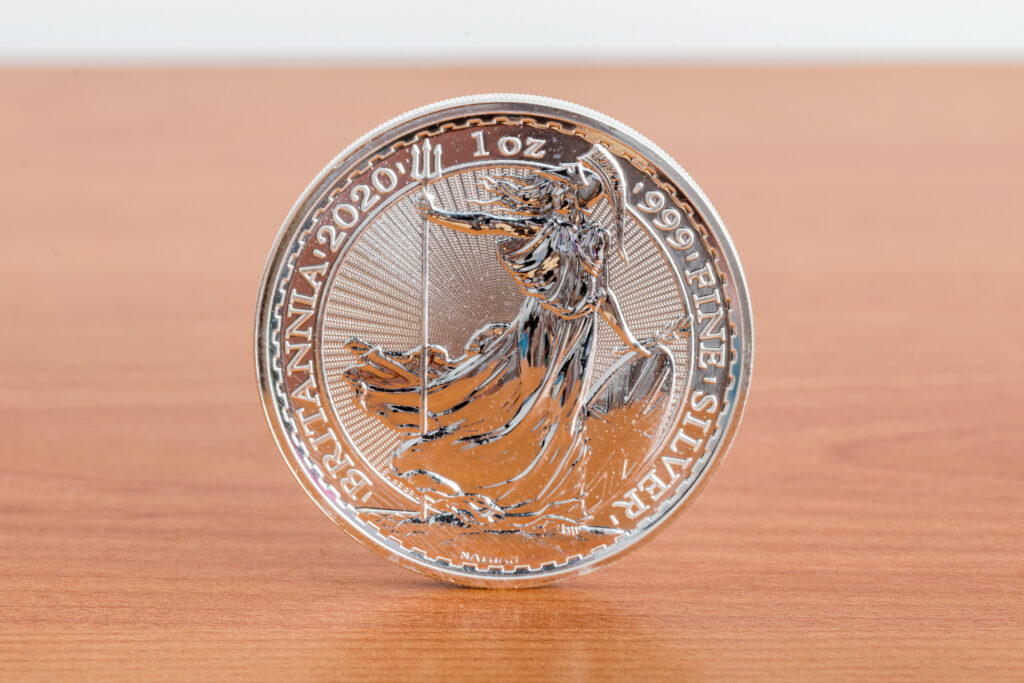
Gold coins, including Sovereigns and Britannias, are also popular because they combine gold content with collectable appeal. Certain rare or historic coins may even carry additional value beyond their gold weight due to rarity and collector demand. Some investors are also drawn to antique gold jewellery and period gold items. These pieces can offer both intrinsic gold value and historical significance, particularly when sourced carefully from reputable specialists.
One of the key advantages of physical gold is ownership. Unlike digital investments or shares, you physically possess the asset. However, storage and insurance should always be considered when investing in valuable physical gold items.
Gold Stocks and Shares
Another option is investing in gold-related stocks and shares. Rather than owning physical gold itself, investors purchase shares in mining companies or gold-backed investment funds. The value of gold stock is often linked to both gold prices and company performance. While this can create growth opportunities, it can also introduce additional volatility compared to physical gold ownership.
Gold exchange-traded funds (ETFs), sometimes referred to as “paper gold,” allow investors to gain exposure to gold prices without storing physical metal. These are often viewed as a more accessible option for those looking to invest in gold online.
Digital Gold and Online Platforms
Modern technology has made investing in gold more accessible than ever. Many platforms now allow people to invest in gold online through apps and digital marketplaces.
Some services offer fractional gold ownership, allowing investors to purchase smaller amounts of gold without needing to buy a full bar or coin. While convenient, it is essential to thoroughly research online gold providers and ensure any investments are backed by genuine physical assets.
For beginners wondering how to invest in gold safely online, choosing established and trusted providers is critical.
How to Ensure Gold is Genuine Before Buying
One of the most important aspects of investing in gold is ensuring authenticity. Counterfeit gold products can appear convincing, particularly online, making it essential to buy carefully. Always avoid rushing through purchases, no matter how quickly you would like it done, and always research a seller carefully before buying.
When purchasing gold, look for recognised hallmarks and purity stamps. In the UK, gold items are commonly marked with details confirming metal purity and official assay office verification. Trusted specialists should provide transparency about provenance, authenticity, and valuation. Certificates of authenticity can offer additional reassurance, particularly for bullion bars and investment-grade coins.
Weight and magnet tests are also commonly used to identify potential counterfeits. Genuine gold is non-magnetic and has a distinct density that differs from imitation metals.
How to Start Investing in Gold for the Long-Term
Starting your gold investment journey does not necessarily require large sums of money. Many successful investors begin gradually, building their holdings steadily over time. The first proper step is deciding why you want to invest in gold. Some people are focused on wealth preservation, while others are interested in portfolio diversification or passing assets down through generations.
Setting a realistic budget is also important. Rather than making impulsive purchases based on short-term market headlines, many investors adopt what is known as a “systematic investment plan”, buying consistently over time regardless of short-term price movements. Long-term investors often focus less on daily price fluctuations and more on the historical resilience of gold over decades rather than months. Patience is often one of the most important elements of successful gold investing.
Researching market trends, understanding different gold products, and working with experienced professionals can all help you make more confident decisions. opportunities to sell, particularly for bullion, coins, and high-purity gold items.

Are There Any Disadvantages to Investing in Gold?
While investing in gold offers many potential benefits, it is important to understand the disadvantages of investing in gold as well. Unlike dividend-paying stocks or rental properties, gold does not generate passive income. Its value depends primarily on price appreciation over time. Storage and security can also become considerations, particularly for larger physical investments. Secure storage solutions and insurance may add ongoing costs.
Gold prices can fluctuate significantly in the short term, particularly during periods of changing interest rates or shifting investor sentiment. Investors seeking rapid returns may become frustrated by slower periods of growth. Liquidity can also vary depending on the type of gold owned. Standard bullion products are often easier to sell quickly than specialist collectables or niche antique pieces.
Despite these considerations, many investors still view gold as an important long-term asset because of its historical ability to preserve wealth during uncertain economic conditions.
When Is the Right Time to Sell Gold?
Knowing when to sell gold can be just as important as knowing when to buy it. Some investors choose to sell when gold prices reach particularly strong levels, while others sell to support major life changes, release capital, or rebalance investments.
For antique gold jewellery, rare coins, and specialist gold items, market demand from collectors can also influence value significantly. Timing, rarity, provenance, and condition can all impact how much an item may achieve.
Seeking expert valuations before selling is essential, particularly for unique or historically significant gold items that may carry value beyond their metal content alone.
Get a Valuation and Sell Your Invested Gold
After years of investment, knowing where to sell your gold can make a significant difference to the final return you achieve. At Burlingtons Ltd., we provide a discreet and professional gold buying service tailored to clients across the UK. Founded by Daniel Ives, we offer over 25 years of industry expertise, helping clients receive fair, competitive valuations for gold bars, bullion, coins, antique jewellery, and rare gold items.
All payments are immediate, there are no hidden fees, and we provide a highly personal service designed around convenience and confidentiality. Daniel personally conducts home valuations for free, allowing clients to discuss their items privately and comfortably without transporting valuable possessions unnecessarily.
Whether you are looking to release capital, sell inherited gold items, or take advantage of favourable market conditions, Burlingtons Ltd. offers a trusted and transparent approach to selling and capitalising on a gold investment. Get in touch today.