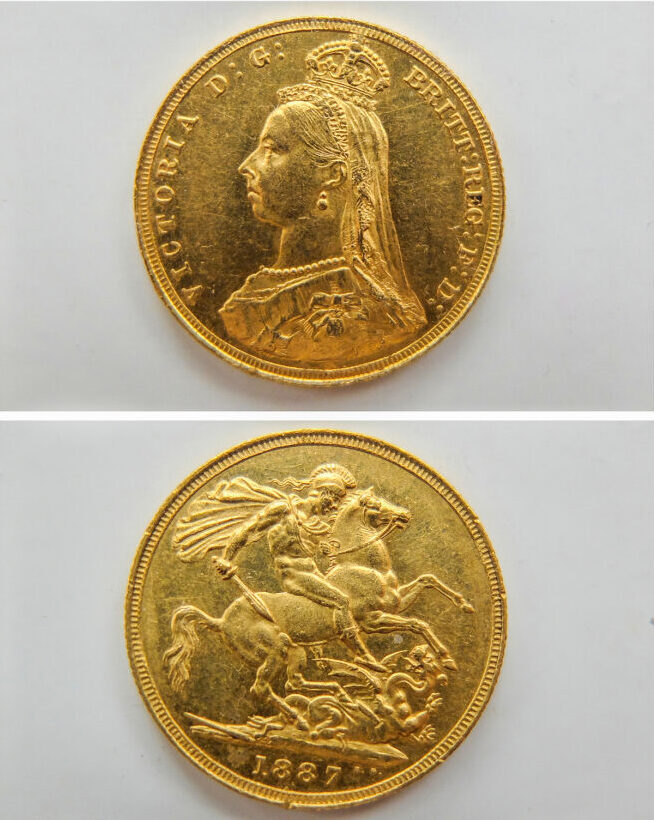
The modern gold Sovereign is among the most recognised and widely collected gold coins in the world. First introduced in 1817 during the reign of King George III, these coins have been produced under successive British monarchs for more than two centuries. Their gold content, historical significance, and beautifully detailed designs make them appealing not only to investors but also to enthusiasts and those who have inherited them as part of a family collection.
One of the most important factors influencing a Sovereign’s desirability is the monarch depicted on the coin and the year it was produced. Certain periods saw lower mintages, design changes, or historically significant issues that are now highly sought after.In this guide, we explore some of the most popular periods, the monarchs featured, and several notable years that gold Sovereign coin collectors often seek out. Whether you have a single gold coin or an entire collection passed down through generations, understanding the background can help you recognise its potential value.
Values and Key Years for Victorian Gold Sovereigns
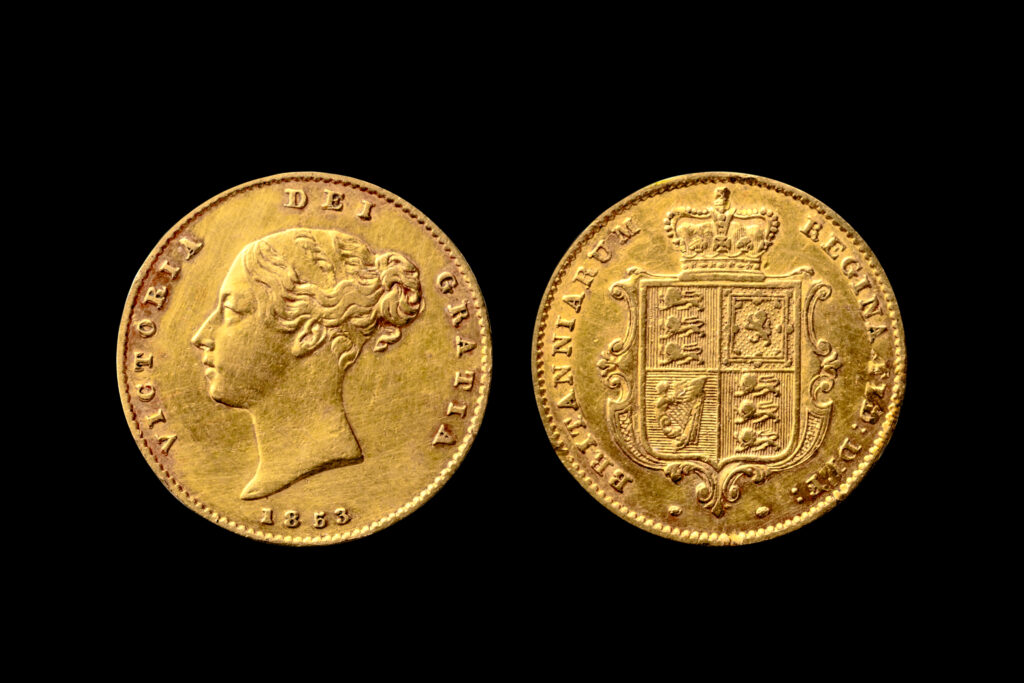
Queen Victoria’s reign (1837–1901) saw the production of some of the most recognisable and historically significant Sovereigns. These are especially popular among collectors because of the variety of portraits used during her long reign.
Three main portraits appear on Victorian Sovereigns:
- The Young Head design, used from 1838 to 1887
- The Jubilee Head, introduced in 1887 to celebrate Victoria’s Golden Jubilee
- The Old Head, also known as the Veiled Head, introduced in 1893
These coins were minted across several locations throughout the British Empire, including London, Sydney, Melbourne, and Perth. As a result, collectors often pay close attention to mint marks, which can influence desirability.
Because Victorian Sovereigns span more than sixty years of production, many were produced, but some dates are more common than others. Coins from certain mints or years with lower production numbers can command significantly higher interest from collectors.
Values and Key Years for Edward VII Sovereigns
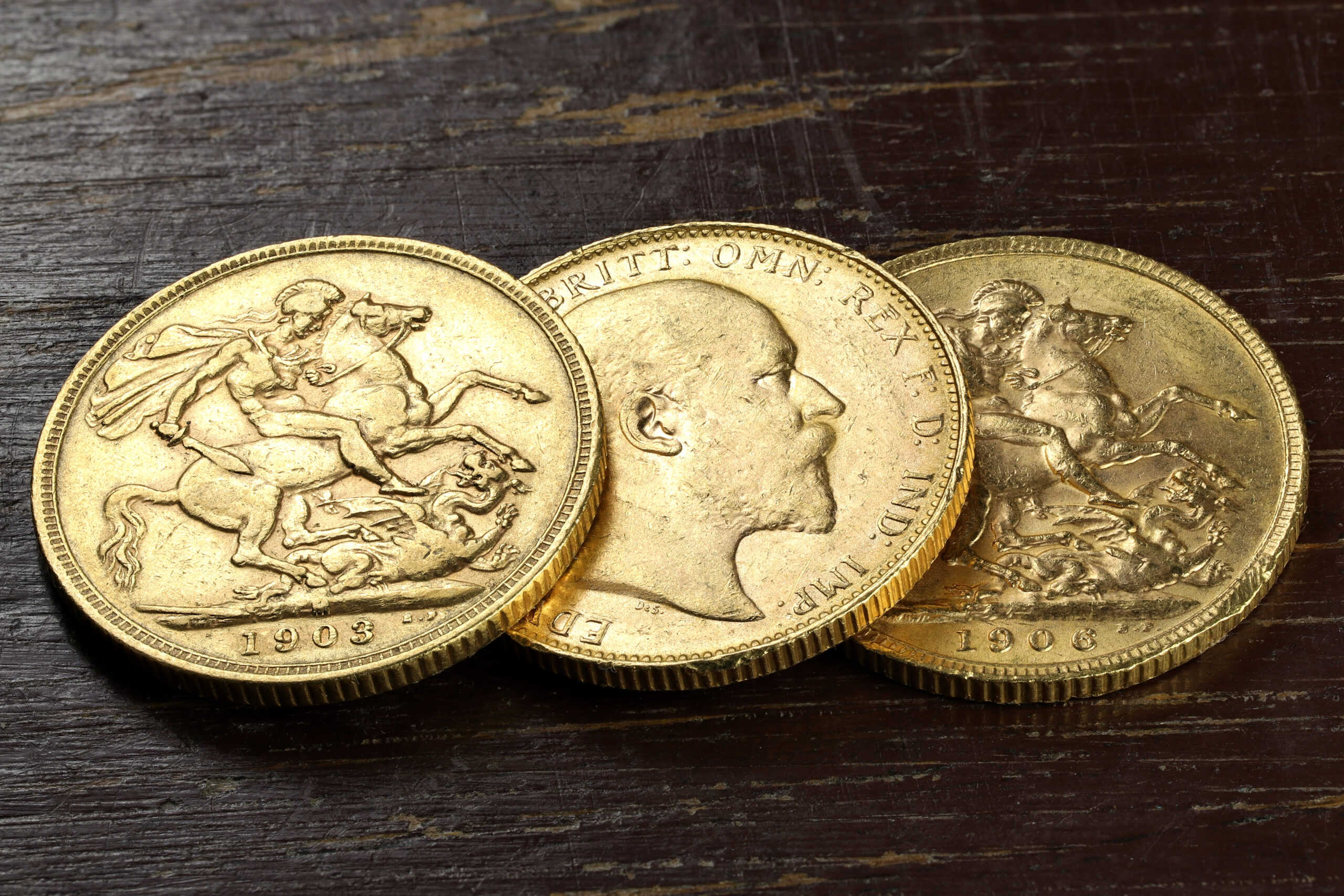
King Edward VII ruled for a relatively short period between 1901 and 1910, which means Sovereigns bearing his portrait were produced for less than a decade. Despite the shorter timeframe, the coins were struck at several mints worldwide, including London, Sydney, Melbourne, Perth, Ottawa, and Mumbai. His portrait, designed by George William de Saulles, is distinctive and easily recognised by collectors.
Because of the limited years of production, collectors often seek complete sets of Edward VII Sovereigns, which can increase demand for particular dates and mint marks.
Collectability and Historic Context for George V Sovereigns
George V Sovereigns were minted between 1911 and 1925 and represent the final period when Sovereigns circulated widely as currency. After the First World War, the UK largely stopped issuing Sovereigns for circulation, which makes coins from this period particularly interesting to collectors.
The portrait of George V, created by Bertram Mackennal, appears on all Sovereigns from this era. During his reign, the coins continued to be produced at several international mints, including London, Sydney, Melbourne, Perth, Ottawa, and Mumbai.
Because these coins mark the end of Sovereigns as circulating currency in Britain, they hold an important place in the history of British coinage.
Key Historic Sovereign Years Collectors Look For
While many gold Sovereigns were produced in large quantities, certain years attract particular interest from collectors due to historical events, production changes, or lower surviving numbers.
1911 Gold Sovereign Value
The 1911 sovereign is notable because it was the first year of issue for King George V. Coins from the first year of a new monarch’s reign often receive additional attention from collectors who wish to own an example marking that historical transition.
Because the 1911 Sovereign was minted at multiple locations, the mint mark can influence its collectability.
1917 Gold Sovereign Value
The year 1917 is closely associated with the final years of Sovereign circulation in Britain during the First World War. Sovereigns were gradually withdrawn from everyday use as the country moved away from the gold standard.
Although the coins continued to be produced at overseas mints after this period, 1917 remains an interesting year for collectors studying the final chapter of circulating British gold coins.
Rare, Unusual, and Unused Gold Sovereigns
The 1937 Pattern Sovereign
Sometimes referred to as “the coin that never was”, the 1937 Sovereign is particularly fascinating because it was produced as a pattern coin during the reign of King Edward VIII. Pattern coins are trial designs created to test new portraits or styles before official production. However, Edward VIII abdicated the throne before any circulating coinage was released with his portrait. As a result, these pattern Sovereigns were never issued for public use, and only six examples were ever minted. These few coins are extremely highly prized, with one example selling for over £1 million in 2020.
The 1937 George VI Gold Sovereign
The 1937 George VI Sovereign holds a special place in the history of British gold coins. Although it carries the portrait of King George VI, these coins were never issued for general circulation. During the early years of his reign, the Royal Mint produced a limited number (5,501) as part of the monarch’s coronation proof coin set. Unlike earlier Sovereigns that were widely used in everyday transactions, this coin was produced primarily for collectors and ceremonial purposes. As such, far fewer examples exist compared with earlier circulating coins.
The coin features the familiar St George and the Dragon design by Benedetto Pistrucci on the reverse, while the obverse displays the portrait of King George VI. Because of its limited production and historical context, the 1937 George VI Sovereign has become one of the most desirable twentieth-century issues.
Collectors often view it as an important bridge between the historic circulating Sovereigns of the early twentieth century and the modern Sovereigns reintroduced in the late 1950s.
The Modern Collectability of Elizabeth II Sovereigns
After several decades in which Sovereigns were not widely produced for circulation, the Royal Mint revived the coin in 1957. From this point onward, they were mainly produced as bullion or collector coins rather than everyday currency.
During the long reign of Queen Elizabeth II, several portrait designs were introduced over the decades, reflecting the monarch at different stages of her life. These changes have created multiple collectable variations for enthusiasts.
1957 Gold Sovereign Value
The 1957 Sovereign marked the return of production after more than two decades. Because it represents the beginning of modern Sovereign minting, it holds particular historical interest.
Collectors often look for well-preserved examples from this year, especially as it symbolises the revival of Britain’s most famous gold coin.
1966 Sovereign Value
The 1966 Sovereign is widely recognised among collectors because it was minted in large numbers and became one of the most commonly traded modern Sovereign coins. Although it is relatively plentiful, it still holds significance as part of the early modern sovereign series.
1980 Gold Sovereign Value
The 1980 Sovereign belongs to the later Elizabeth II period and reflects the continued popularity of these coins among investors and collectors. During this time, the Royal Mint increased production to meet growing demand for gold coins.
Special Edition Gold Sovereigns
Over the years, the Royal Mint has released several commemorative sovereign designs celebrating important national events.
1989 Gold Sovereigns
These Sovereigns were minted to commemorate the 500th anniversary of the original Sovereign being produced. These coins are particularly striking as they use a design contemporary to those originally minted in the time of Henry VII, featuring Elizabeth II as a Tudor-style seated monarch, with the Royal Arms encased within a Tudor Rose.
2002 Gold Sovereigns
The year 2002 marked Queen Elizabeth II’s Golden Jubilee, celebrating 50 years on the throne. Special edition Sovereigns were issued to commemorate the occasion, featuring a modern, rarer “Shield-Back” design that differs from the traditional St George and the Dragon motif. These commemorative coins are often collected for both their historical significance and their distinctive artwork.
The 2002 Sovereign retains a strong premium in the market. As of early 2026, prices for a 2002 full Sovereign were observed around £670 for graded versions, with Proof versions reaching over £1,100.
2005 Gold Sovereigns
In 2005, another Special sovereign design was released featuring a reinterpretation of the classic St George and the Dragon image. Limited design changes such as this often attract interest from collectors looking for variations within the Sovereign series.
The 2012 Diamond Jubilee Sovereign
The 2012 Diamond Jubilee Sovereign was issued to commemorate the 60th anniversary of Queen Elizabeth II’s reign. The reverse of this coin features another dramatic interpretation of the traditional St George and the Dragon motif, created by artist Paul Day. This departure from the classic design made the Diamond Jubilee coin particularly appealing to collectors.
Because these coins were issued as collector pieces rather than circulating currency, they are often found in excellent condition, especially when preserved in their original packaging.
The 2022 Platinum Jubilee Sovereign
The 2022 Platinum Jubilee sovereign was issued to celebrate an extraordinary moment in British history – the 70th anniversary of Queen Elizabeth II’s reign. To mark the occasion, the Royal Mint released special Sovereign designs featuring a distinctive reverse created by artist Timothy Noad. The design incorporated elements of the Royal Coat of Arms and introduced a fresh interpretation for the coin while still respecting the traditions of the coinage.
Because the Platinum Jubilee represented a once-in-a-generation milestone, many collectors acquired these coins as commemorative pieces. As with many limited royal celebration issues, the 2022 Sovereign has already become a popular modern collectible.
Charles III and the Newest Gold Sovereigns
The 2023 Coronation Sovereign
The 2023 Coronation Sovereign marks another historic moment: the coronation of King Charles III. These coins feature the first official crowned portrait of the new monarch, continuing the long tradition of marking royal transitions through British coinage. For collectors, the first Sovereigns of a new reign are always of particular interest, as they represent the beginning of a new chapter in the Royal Mint’s history.
In addition to the new portrait, the 2023 sovereign was released alongside commemorative designs celebrating the coronation itself. Because of the event’s historical significance, these coins have already attracted attention from collectors and investors alike.
What to Expect in Future
With the accession of King Charles III, the Royal Mint has begun issuing new Sovereigns bearing a new royal portrait. This includes the latest 2026 series coins, which may bring a fresh interest in the coins’ aesthetic appeal because they have returned to a classic yellow gold finish, moving away from the red or rose gold of previous years.
The introduction of a new monarch, as well as any new designs, traditionally brings fresh interest to British coinage – particularly among collectors who wish to acquire early examples.
How to Identify Valuable Gold Sovereigns
Several factors can influence the value of a gold Sovereign coin:
- The monarch depicted on the coin
- The year it was minted
- Mint marks showing where it was produced
- Condition and level of wear
- Rarity or historical significance
Because Sovereigns have been minted for more than 200 years across many different locations, understanding these details can make a significant difference when determining their value. If you are unsure about a coin’s background or rarity, speaking with an experienced coin specialist can help you understand exactly what you have.
Get a Gold Sovereign Valuation from Burlingtons Ltd.
At Burlingtons, we specialise in valuing and purchasing gold coins, including individual Sovereigns, complete collections, and proof sets. With over 25 years of experience in the antiques and collectables market, our experts provide clear, honest valuations based on current market demand.
Unlike auction houses, we also offer a straightforward and personal service with private home valuation visits, allowing your coins to be assessed discreetly and securely. There are no hidden fees, and if you decide to sell, payment can be arranged immediately.
If you have gold Sovereigns and would like to understand their value, we’d be glad to help. Contact us today to arrange a valuation and discover what yours may be worth.