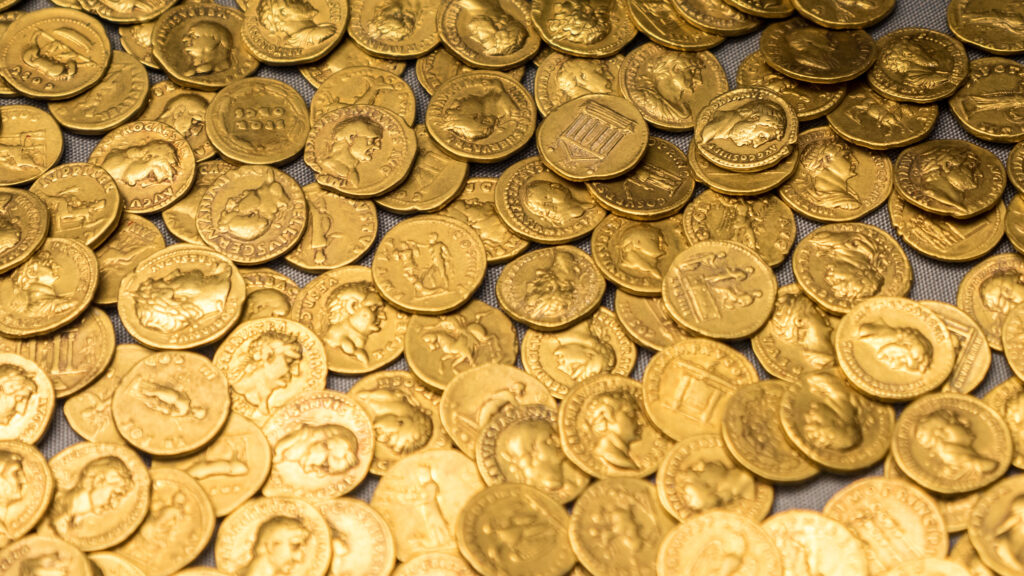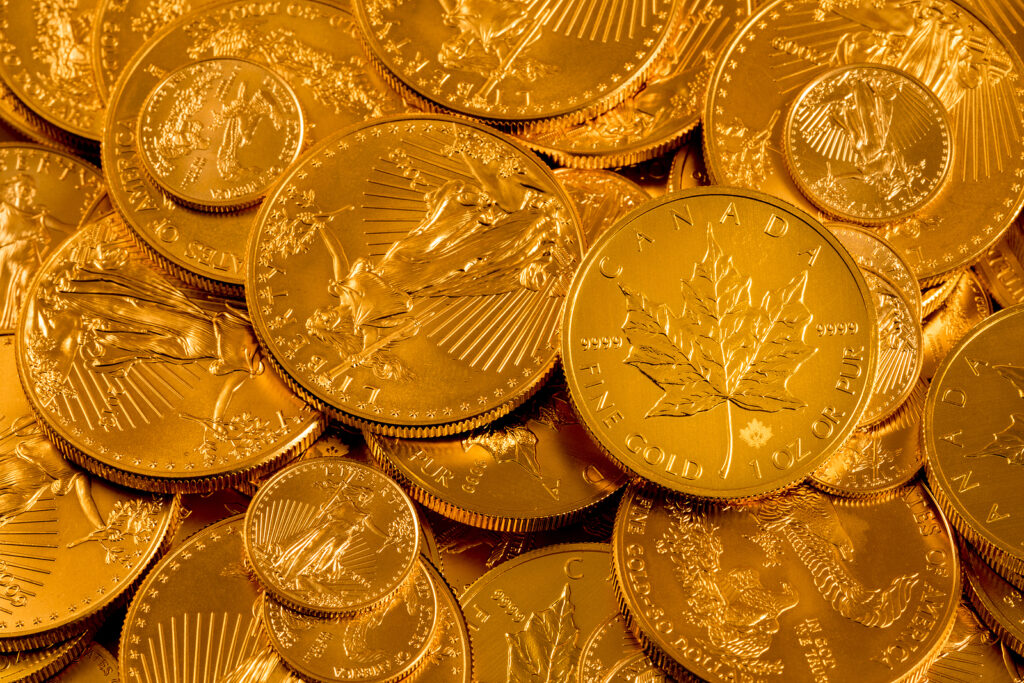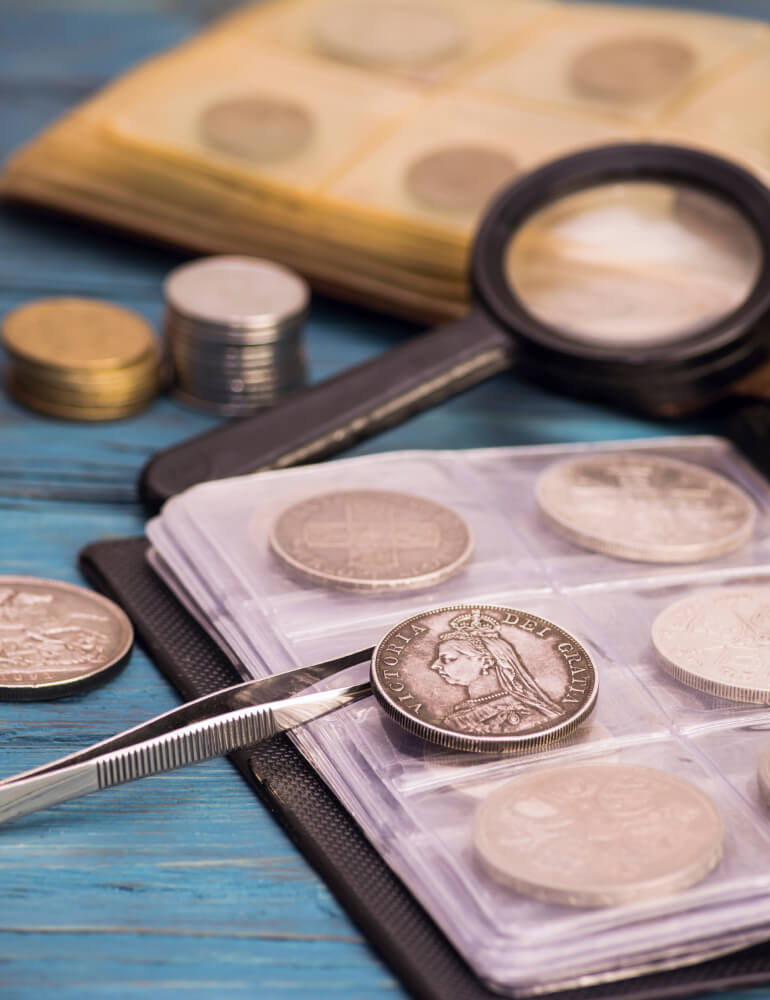
A gold coin’s value isn’t a single number you can apply to every coin in every situation. In most cases, the price comes from three components working together. These are the coin’s gold content (valued against the market spot price), any numismatic (collector) premium, and the coin’s condition.
That’s why two coins with the same gold weight can sell for very different prices. A common bullion coin in average condition may track the spot price fairly closely. But a rare year, a desirable variety, or a coin in exceptional grade can command a much higher premium. Even details like original packaging can influence resale value, especially for proof coins.
Here, we’ll explain how gold coins are valued in the UK, how to estimate what you have, and when it’s worth getting an expert opinion before you decide to sell.
What Determines the Value of a Gold Coin?
When valuing gold coins, it helps to think in layers. Start with the metal value, then consider what the collector market might add, and finally assess how condition affects what someone will pay.
Gold Content (Weight × Purity × Spot Price)
The spot price is the global “baseline” price of gold at any given moment. For many coins, this is the foundation of value.
To estimate the metal value, you need:
- The coin’s weight (for example, a 1 oz coin)
- The coin’s purity/fineness (for example, .9999 or 24 carat, also written as 24k)
- The current gold spot price
This gives you a useful baseline, but it doesn’t tell the full story, because coins often trade at a premium above spot. Dealer buy and sell spreads also apply.
Numismatic Premium (Rarity and Desirability)
The additional value above metal content is often called a numismatic premium. Collectors aren’t only buying gold by weight. They’re buying:
- Rarity and low mintage years
- Historic interest
- Design variations and sought-after types
- Proof finishes and presentation
- Status within a set (e.g. coins that “complete” a collection)
This is where prices can move far beyond what the spot price alone would suggest.
Condition
Condition matters in every category, but it matters most where collectors are involved. A coin in excellent condition can be significantly more desirable than the same coin with:
- Heavy wear
- Edge knocks
- Scratches or dents
- Signs of cleaning (more on this below)
For rare or key-date coins, condition can be the difference between having “a nice coin” and “serious premium” money.
Valuing Bullion Coins vs Historic Coins in the UK
Not all gold coins behave the same in the market. A practical first step is to decide whether what you have is mainly bullion, mainly collectable, or a blend of both.
Bullion Coins
Bullion coins are generally valued close to their gold content, but with premiums attached. Their price tends to track spot fairly closely, with premiums influenced by:
- Brand recognition and popularity, as some series are simply easier to sell
- Dealer spreads (the buy vs sell prices)
- Supply and availability at the time you sell
When demand spikes or supply tightens, premiums can rise. When supply catches up, premiums can compress.
Historic or Numismatic Coins
Historic coins are often where things get interesting. Here, gold content can act like a “floor”, but certain factors can push the value far higher than the metal value. These include:
- The year and type
- Mint mark or variety
- Provenance and originality
- Collector demand
- Condition or grade
How to Value a Gold Coin Step-by-Step
We would always recommend having your coin valued by an expert, but if you would like to know more about how it could be done at home, you can always follow this process:
Step 1: Identify the Coin Properly
Start with what you can see:
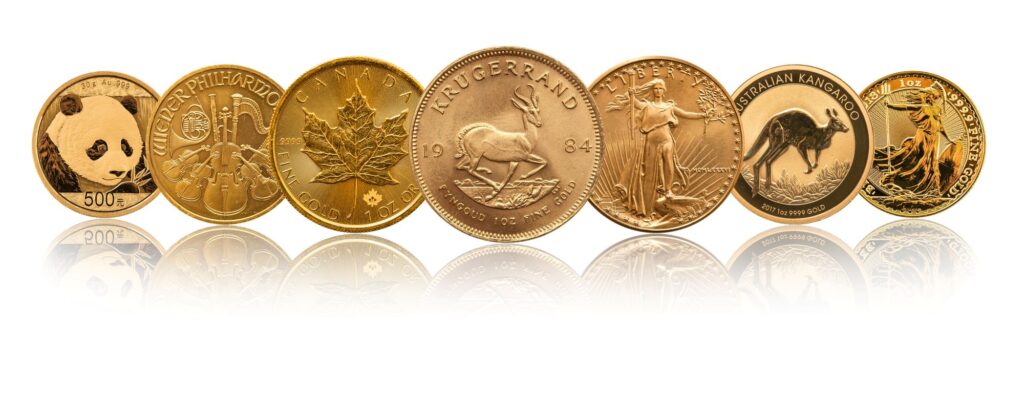
- Coin name or series (Britannia, Sovereign, Maple Leaf, Eagle, Krugerrand, etc.)
- Identify the portrait/monarch
- Denomination
- Date/year
- Any special markings or features
Step 2: Confirm Weight and Purity
Look up the official specifications for your coin and confirm:
- Weight (use a precise digital scale where possible)
- Purity/fineness (often shown as a hallmark or in product specs)
- Diameter and thickness (use callipers if you have them)
You will want to be careful here, as different coins use different standards. Some are 24k, while others are alloyed for durability. Purity matters, but it isn’t the only driver of value.
Step 3: Compare with the Gold Spot Price (Baseline Value)
Use the spot price to estimate the metal baseline, then remember:
- Coins typically trade above spot (premiums)
- Dealers pay a buy price that accounts for spreads and liquidity
- Collectable coins can move independently of spot when demand is strong
Step 4: Check Rarity and “Key Date” Potential
If the coin is historic or part of a well-collected series, check:
- Mintage numbers (lower mintages can mean higher collectability)
- Known varieties (design changes, mint mark differences)
- Whether the year is considered a “key date”
- Key years can move pricing significantly beyond spot value, especially when condition is strong.
Step 5: Assess Condition (and Don’t Clean It)
Look for:
- Wear on high points
- Scratches and dents
- Edge knocks
- Hairline marks (often from cleaning)
- Any discolouration or unusual surface behaviour
It’s a simple but important rule to avoid cleaning gold coins. Cleaning can strip natural surfaces, leave hairline scratches, and dramatically reduce collector value. If you think a coin might be special, leave it as-is and speak to a professional.
Step 6: Consider Demand Trends and Timing
Some coins become more desirable due to collecting trends, availability, or wider market sentiment. Bullion premiums can also move quickly depending on supply.
If you’re unsure whether a premium is normal or unusually high, expert guidance can save you from selling too cheaply or expecting too much.
How Weight, Year, and Purity Affect Gold Coin Values
These three factors are often the first things people look at, and they do matter. They just don’t tell the whole story on their own.
Fractional Coins vs Whole-Ounce Coins
Fractional coins can sometimes carry higher premiums per gram than larger coins. This is because manufacturing, distribution, and retail handling costs don’t scale perfectly with size.
Smaller coins can be convenient, but you might find the “value per gram” looks higher than expected compared to a 1 oz coin.
Year and Type
Within popular UK series, certain years and types can be more desirable due to:
- Lower mintage levels
- Design variations
- Collectors building date runs
- Particular historical contexts
Purity and Perception
Purity can influence perception and resale appeal, but it isn’t the only driver. It’s very common for a sought-after coin with strong collector demand to outperform a higher-purity coin. For example, Sovereigns are intentionally made from an alloy to ensure durability, typically 22 carat gold (meaning they’re 91.67% pure). A rare example of a Sovereign – one with a low mintage level and historical value, for instance – is likely to outperform a modern 24k bullion coin.
Why Else Gold Coins May be Worth More Than Their Gold Content
When a coin sells for more than the gold inside it, that difference is usually the numismatic premium at work. But this isn’t limited to information about the coin, and may not only be because the coin is considered “perfect”.
Proof Coins, Original Packaging, and Presentation
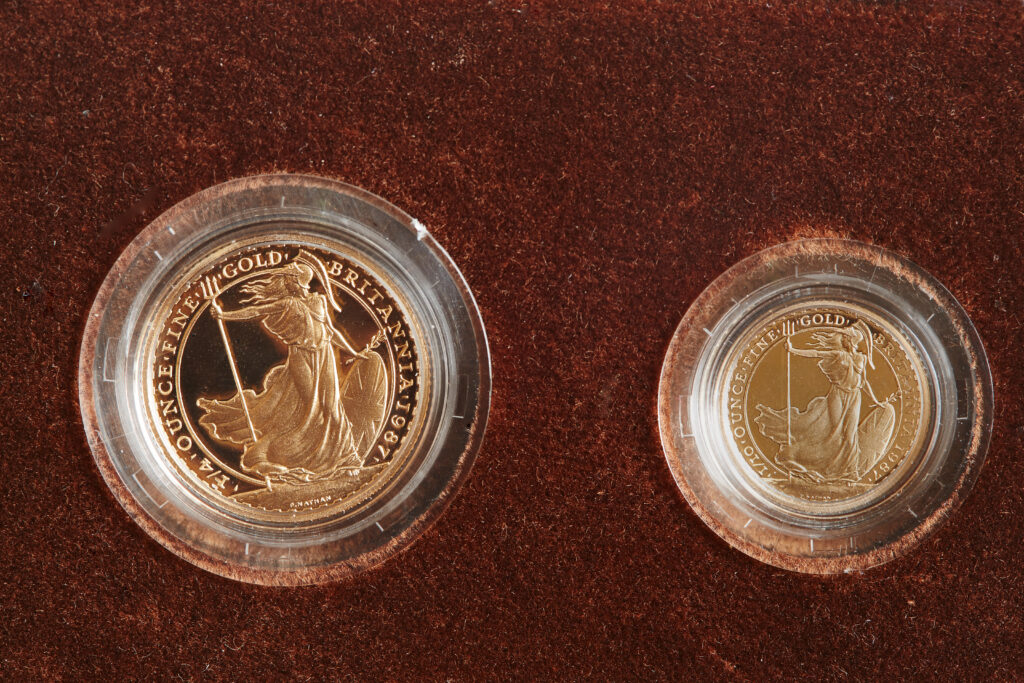
Proof coins (and proof sets) are often valued differently to standard bullion strikes. Original boxes, certificates, and presentation materials can matter here because collectors prefer complete, well-presented examples.
If you still have the packaging, keep it with the coin. It may support the resale value.
Error Coins and Unusual Varieties
Not every coin is minted perfectly. Some end up with off-centre strikes, wrong metal planchets, die cracks, or double strikes, making them rare and desirable for collectors. These are known as error coins. Some errors and varieties can be very valuable, but they need verification.
We should note that error coins are generally quite rare, and many perceived “errors” are simply post-mint damage, which doesn’t add value. If something looks unusual, it’s best to ask an expert.
Understanding Coin Grading and Why It Matters
Grading is a consistent way to describe a coin’s condition. It matters because it creates a common language that buyers and sellers can trust. A coin’s grade reflects how well it has survived: wear, marks, surface quality, and overall eye appeal. For collectable coins, grade is often one of the biggest drivers of price.
The Sheldon Scale (1–70) and Mint State
In many markets, grading is discussed using the Sheldon scale, commonly seen as a 1–70 system. In general:
- Higher numbers indicate better preservation
- “Mint State” often refers to coins that show no wear from circulation (though marks from handling can still exist)
You don’t need to memorise the scale to value your coins, but it helps to understand why small condition differences can create big price differences.
NGC vs PCGS
Two well-known third-party grading services are NGC and PCGS. Professionally graded coins are typically encapsulated and labelled, which can make buying and selling easier by establishing an agreed baseline for authenticity and condition.
That said, not every coin needs grading to be sellable. It depends on what the coin is and whether the premium justifies the cost and effort.
Quick Checks for Spotting a Fake Coin
Counterfeit coins exist, and basic checks and tests can help you spot signs of this:
- The Magnet Test: Gold is non-magnetic. If a coin sticks to a strong (neodymium) magnet, it suggests another metal is present.
- Weight and Dimensions: Genuine coins have precise specifications. Use a digital scale (to two decimal places) and callipers to check weight, diameter, and thickness against official specs.
- Mismatch Issues: A coin having the correct diameter but wrong weight (or vice versa) is a common counterfeit tell.
- The Sound Test: Gently tapping a coin can produce a ringing sound on genuine gold, while some fakes sound dull and short.
You should always be aware that a coin can pass any of these basic tests and still be counterfeit. If anything looks off, or if the coin could be worth meaningful money if real, a professional opinion is the safest step before you commit to a sale.
So, What Are Your Gold Coins Worth?
In simple terms, a gold coin’s value is usually a combination of:
- Gold content (baseline)
- Collector premium (rarity, demand, design, proofs)
- Condition (and whether grading applies)
If you only do one thing before selling, make sure you’ve correctly identified what you own and avoided anything that could damage it, especially cleaning. That alone can prevent costly mistakes.
Value and Sell Gold Coins for What They’re Really Worth
If you’d like a clear, realistic valuation without the hassle of auctions or the risk of shipping valuables, Burlingtons Ltd. offers a discreet, straightforward way to sell. You can expect:
- A free, personal home valuation service across the UK, designed around privacy and convenience
- Honest guidance on what’s driving your coin’s value (gold content, collectability, and condition)
- A clear, no-obligation offer informed by deep market knowledge and collector demand
- Immediate payment if you choose to go ahead
- No auction delays and no fee-heavy process that could reduce what you receive
Whether you’re selling a single bullion coin or a collection with potential key dates, the right valuation starts with understanding what you have. Contact us today to discuss your gold coins and arrange your session.