Gold coins have played a defining role in trade, power, and wealth for centuries. Far beyond their intrinsic gold content, many coins carry historical importance, distinctive minting characteristics, and iconic designs that can significantly influence their desirability and value today.
Understanding how gold coins were minted, when and where they were produced, and why certain designs endure helps explain why two coins of the same weight can command very different prices. For anyone who owns gold coins, whether inherited, collected, or acquired over time, this background can be invaluable when considering their true worth.
Why the History and Minting of Gold Coins Still Matter Today
Gold has been valued for centuries as a store of wealth, and gold coins continue to play an important role in modern iThe value of a gold coin is rarely determined by gold content alone. Age, rarity, mint location, production methods, and design all play a role in how collectors and buyers view a piece. Coins minted during pivotal moments in British history, struck in limited quantities, or produced using specialist techniques, often attract strong interest. Likewise, certain designs have become internationally recognised, giving them enduring appeal well beyond their bullion value.
By understanding how gold coins came to be made, and how those processes have evolved, it becomes clearer why expert assessment is essential when valuing them.
A Brief History of Gold Minting in the UK
Celtic and Roman Gold Coins in Britain
The story of gold coinage in this country begins long before it was known as Britain. Some of the earliest gold coins found here date back to the Iron Age, when Celtic tribes produced gold staters influenced by Greek and later Roman designs. These coins were often abstract in style, with stylised faces, horses, and symbolic motifs rather than realistic portraiture.
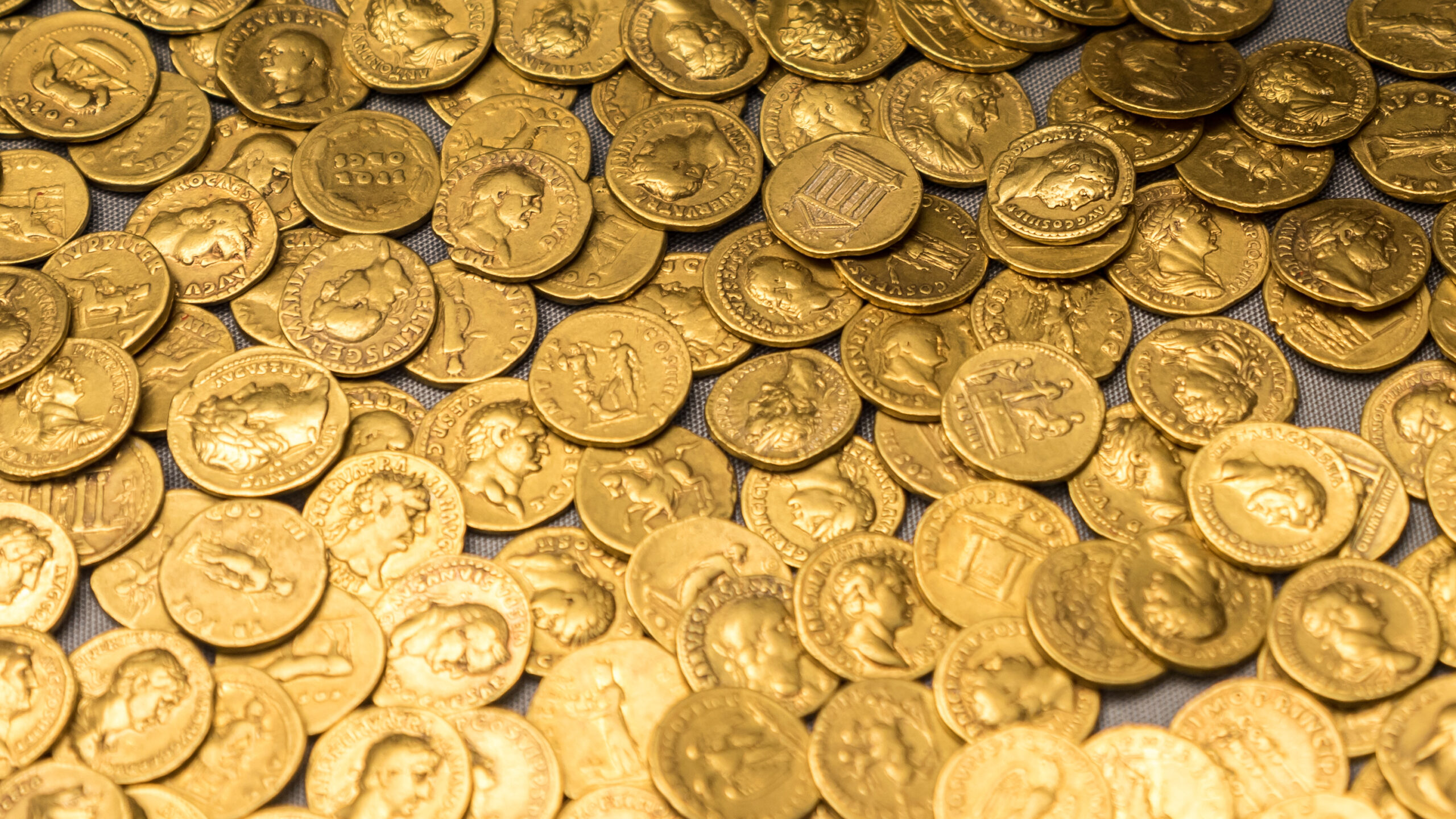
During the Roman occupation of Britain, gold coinage became more formalised. Roman gold coins such as the aureus circulated among soldiers, administrators, and the elite, reinforcing Rome’s authority and economic structure. These coins were not everyday currency but were used for high-value payments and state transactions.
Today, surviving Celtic and Roman gold coins are exceptionally rare. Their value lies not only in gold content but in their archaeological and historical significance, making them highly desirable to collectors and institutions alike.
Early British Gold Coins
Following the Roman withdrawal, gold coinage in Britain became scarce for several centuries. It was not until the medieval period that gold coins re-emerged in a recognisable English form. Coins such as the Noble were introduced during the 13th century to facilitate large commercial and diplomatic transactions. These early English gold coins were struck in limited numbers and circulated almost exclusively among merchants, royalty, and the nobility rather than the general population.
Because relatively few examples survive today, their value is shaped as much by historical survival as by gold content. Even coins showing signs of age or wear can be of considerable interest due to their rarity and significance.
Tudor Gold Coins and the Rise of Royal Imagery
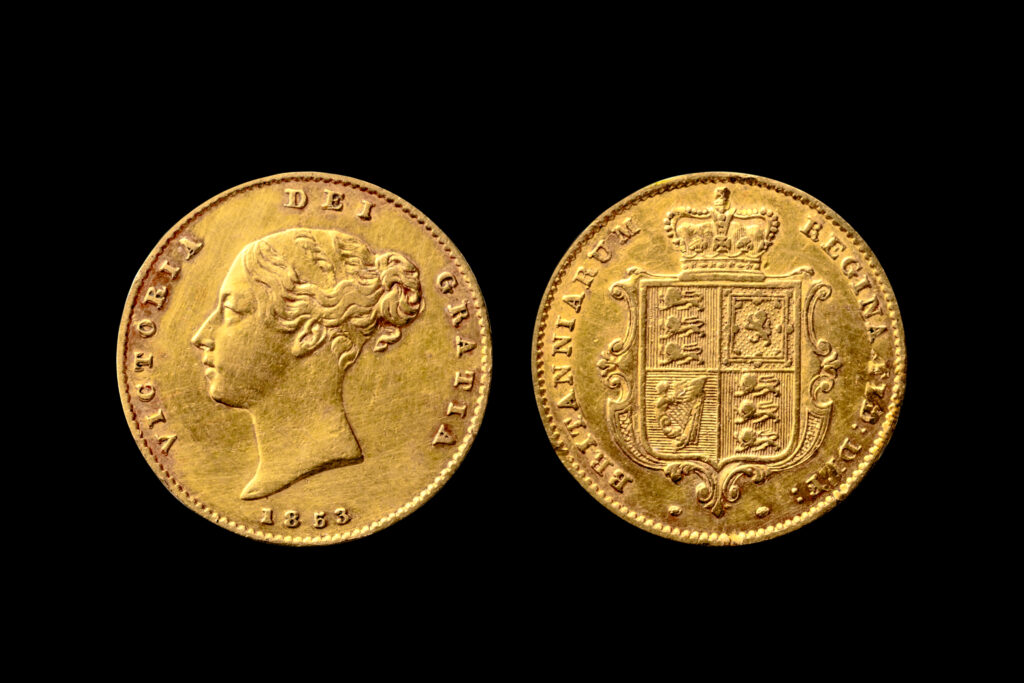
The Tudor period marked a major shift in British gold coinage, both technically and artistically. The first gold Sovereign was introduced in 1489 by Henry VII to symbolise the power of his new dynasty, and monarchs such as Henry VIII and Elizabeth I placed greater emphasis on portraiture. They used coin designs to project authority, legitimacy, and power. This era also saw notable fluctuations in gold purity and weight, often reflecting economic pressures and political decisions of the time. As a result, Tudor gold coins vary widely, with some issues being far rarer than others.
Today, these coins are particularly sought after, not only for their gold value but for their strong historical associations with some of Britain’s most recognisable monarchs.
From Victorian Sovereigns to the Modern Era
The introduction of the new gold Sovereign in the late 18th century brought long-term standardisation to British gold coinage. By the Victorian era, industrial advancements allowed coins to be produced with greater consistency, enabling wider circulation both domestically and across the British Empire.
As Britain gradually moved away from the gold standard in the 20th century, gold coins shifted from everyday currency to bullion and commemorative issues. Modern gold coins are now struck primarily for collectors and investors rather than circulation.
Many Victorian and early modern gold coins remain highly desirable today, particularly those in good condition, from key years, or with distinctive mint marks. Their enduring appeal reflects both their craftsmanship and their place within Britain’s monetary history.
Understanding Mint Marks and What They Tell You
UK Mint Marks Explained
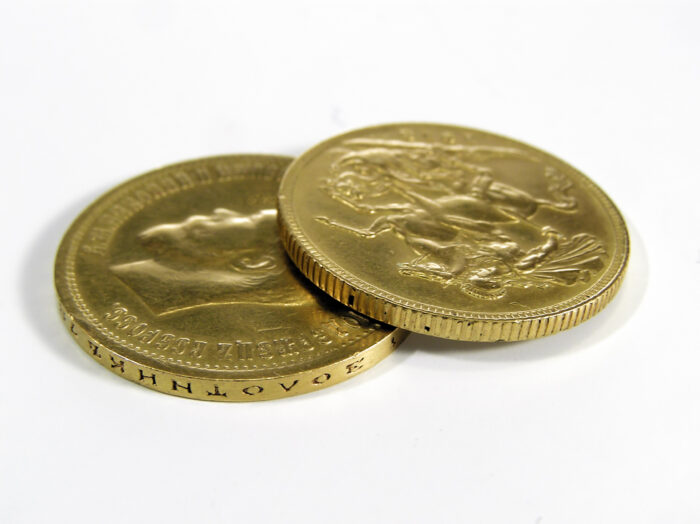
Mint marks indicate where a coin was produced. While many British gold coins were originally struck in London, others were minted at branch mints across the British Empire, including Sydney, Melbourne, Perth, Ottawa, and Pretoria. These branch mints often served local economies, producing smaller runs of coins that can now be more difficult to find.
International Mint Marks and Global Gold Coins
Beyond the UK, gold coins have been minted worldwide, each with distinct markings that identify their origin. These marks can provide important clues about a coin’s history and circulation. Coins produced at certain mints or during specific periods may be particularly desirable to collectors seeking completeness or regional significance.
How Mint Marks Affect Rarity and Value
A mint mark can significantly influence a gold coin’s value. Lower production numbers, short-lived mint operations, or limited export runs often increase scarcity. However, mint marks are just one part of a broader picture. Condition, demand, and historical context all contribute to value, which is why professional assessment is essential.
How Royal Mint Gold Coins Are Produced Today
Designing and Creating the Dies
Today, UK gold coins are minted exclusively at the Royal Mint facility in Llantrisant, South Wales. Modern gold coins begin with detailed design work, often created by skilled engravers. These designs are transferred onto dies that must withstand repeated strikes while retaining fine detail.
The precision involved ensures consistency across each production run.
What is a Die?
In minting coins, a die is a manufacturing tool which carries the inverse of a coin’s design, date, and text. It works like a stamp, striking the blank metal disc to create an imprint that finishes the coin.
The Striking Process
Bullion coins are struck efficiently for investment purposes, while proof coins are produced using slower, more meticulous methods. Proof coins typically involve polished blanks and multiple strikes to achieve sharper detail and mirror-like finishes. This difference in production directly affects collectability.
Proof Gold Coins and Specialist Finishes
Proof coins are produced in limited numbers and aimed primarily at collectors. Their refined appearance and controlled mintages often make them more desirable than standard bullion coins, particularly when well preserved.
Modern Security and Anti-Counterfeiting Features
Today’s gold coins incorporate advanced security features, such as micro-engraving and latent images, to prevent counterfeiting. These features help protect buyers and sellers alike, but they also highlight the importance of expert verification when selling older or high-value coins.
Iconic Gold Coin Designs Through History
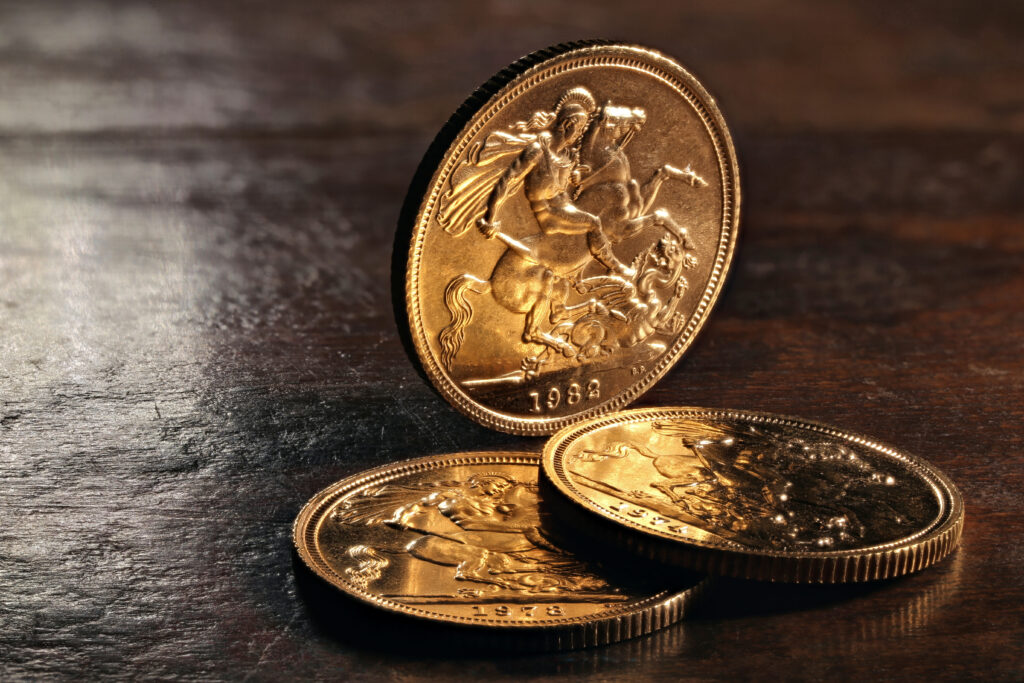
St George and the Dragon
First introduced on British gold Sovereigns in the early 19th century, Benedetto Pistrucci’s depiction of St George slaying the dragon remains one of the most recognisable coin designs in the world. Its classical styling and symbolism have helped it endure across generations.
Britannia on British Gold Coins
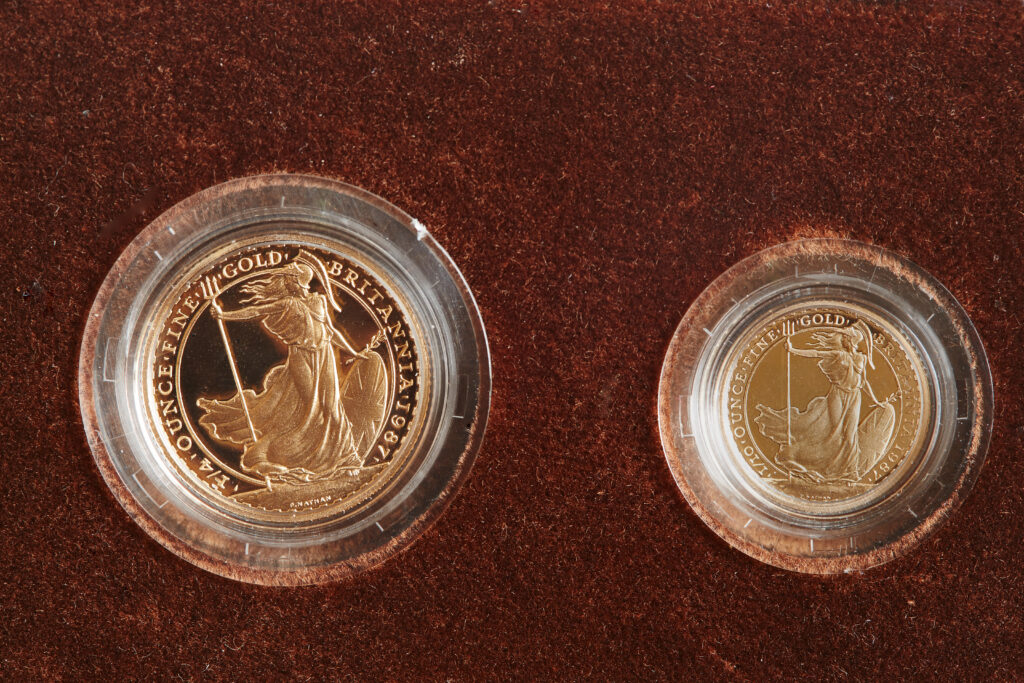
Britannia has appeared on British coinage for centuries, representing strength, stability, and national identity. Her image has evolved over time, reflecting changing artistic styles while remaining instantly recognisable.
Iconic International Gold Coin Designs
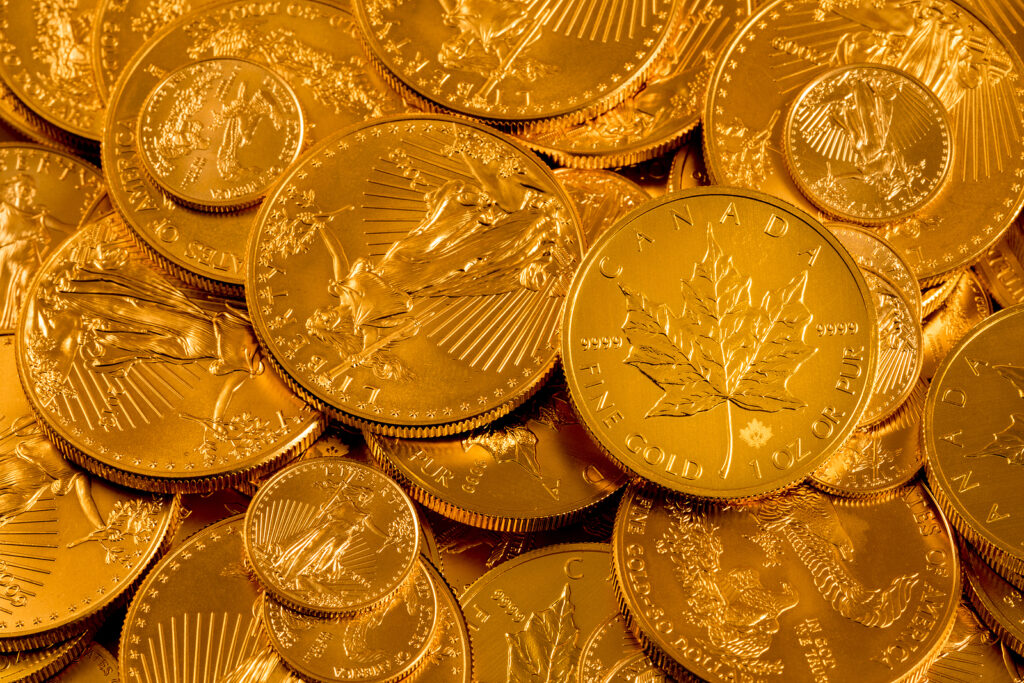
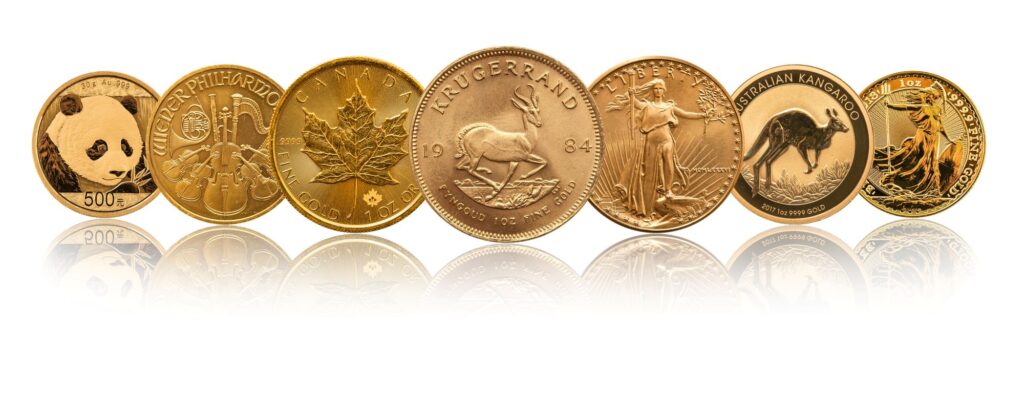
Some gold coin designs have achieved global recognition, including:
- The South African Krugerrand and its image of the Springbok
- The American Gold Eagle and its obverse (front) image of Lady Liberty, with its reverse carrying different images of eagles
- The Canadian Maple Leaf, with the leaf on the obverse and the reverse containing a portrait of the reigning monarch when the coin was minted
Each reflects the culture and history of its issuing nation, contributing to strong international demand.
How Gold Coin Designs Have Evolved Over Time
Advances in minting technology have allowed for increasingly intricate designs. Modern collectors often value coins that reflect key moments in design history, making certain issues particularly appealing.
Why History, Minting, and Design Matter When Selling Gold Coins
Two gold coins of identical weight can have vastly different values. Factors such as age, mint mark, design, condition, and production method all influence desirability. Understanding these details helps ensure coins are valued accurately, rather than being treated purely as scrap gold. This is especially important for inherited collections or older coins, where subtle characteristics can make a meaningful difference.
Thinking of Selling Gold Coins?
If you own gold coins and would like to understand their true value, Burlingtons Ltd. offers a discreet and straightforward way to sell. Most valuations are carried out by our founder, Daniel Ives, through a private home service. He’ll take into account not only gold content but also history, rarity, minting details, and collector demand. There are no hidden fees, no obligation, and payment is made immediately if you choose to proceed.
Get a Valuation for Your Gold Coins
Whether your gold coins are inherited, collected over time, or it’s time for you to benefit from their monetary value, we’ll provide an informed, personal alternative to auction houses. Arrange your free gold coin valuation and speak directly with an expert today.