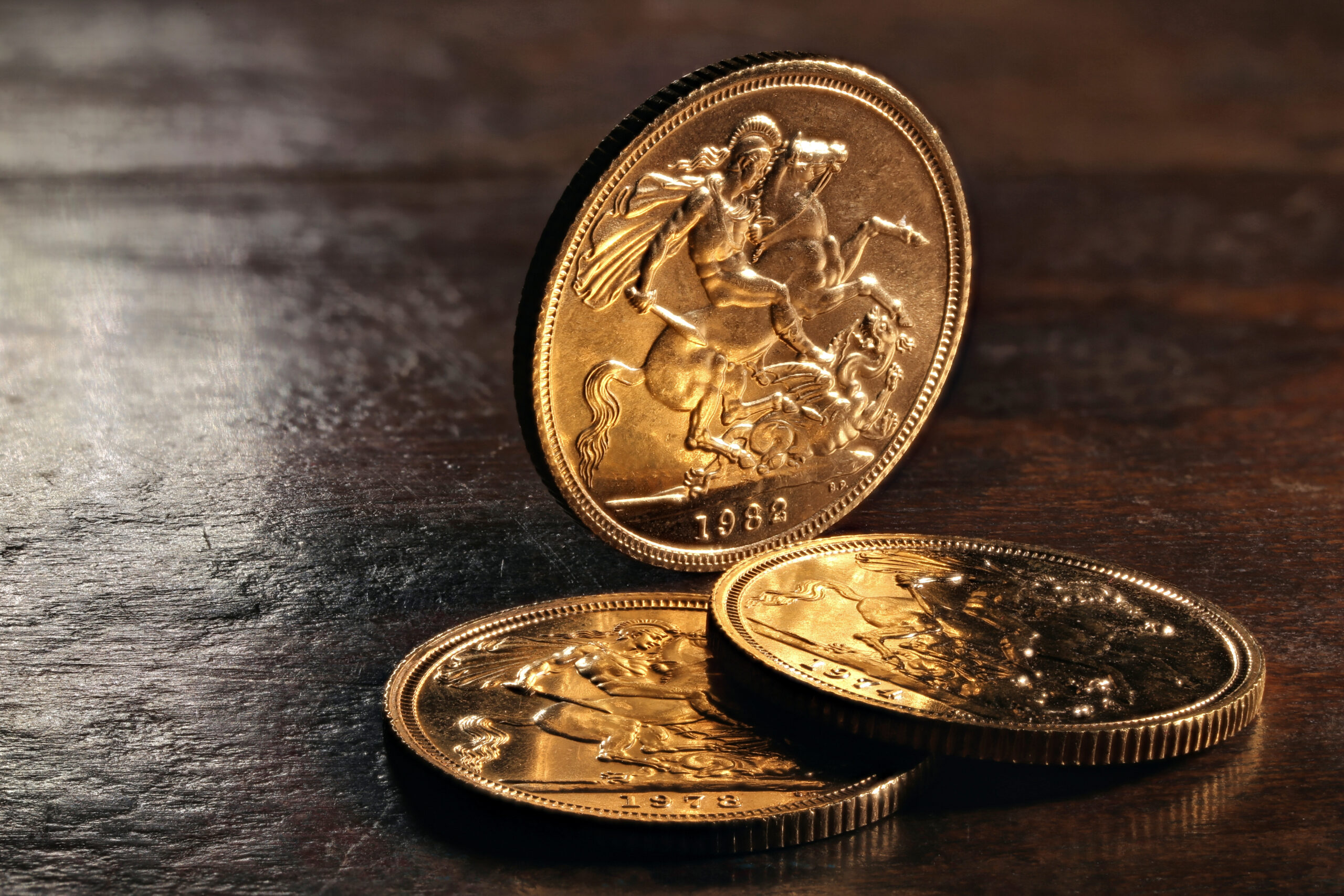
For centuries, the English gold Sovereign coin has represented wealth, stability, and craftsmanship. It is admired by collectors and investors alike, and because it holds both intrinsic gold value and historic importance, it often raises important questions. These may be about how much one particular coin may be worth, where to buy or sell them, or if they’re worth holding onto if you already have some.
This guide answers all those questions and more, providing a complete overview of sovereign history, types, valuation, collecting, and selling. You’ll also receive insights from Burlingtons Ltd., before you work with us on the valuation and sale of your own Sovereign coins. We specialise in free and discreet valuations, and can help you to make a fully informed decision before you commit to an offer.
The History and Background of the Gold Sovereign
The Sovereign has a long history, which we’ve summarised below.
The Original Sovereign
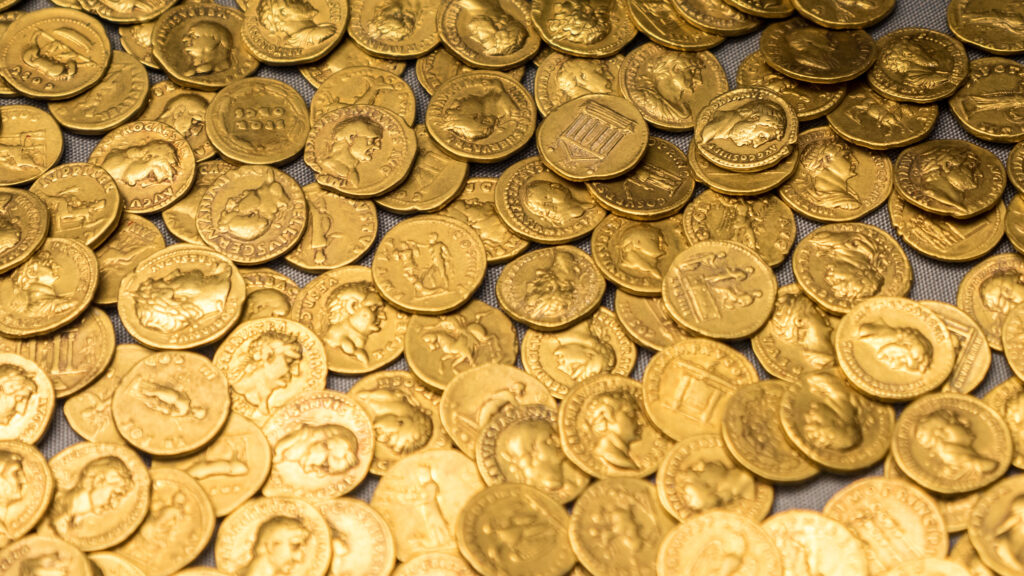
The first sovereign was minted in 1489, during the reign of Henry VII, as a symbol of royal power and national prosperity. These early coins were not created primarily for investment but as prestige currency, representing the strength of the monarchy (and the new Tudor dynasty) and the wealth of England. However, production of these coins ceased in 1604, being replaced by the Unite in the time of James I and eventually the Guinea in subsequent monarchs.
The Modern Sovereign
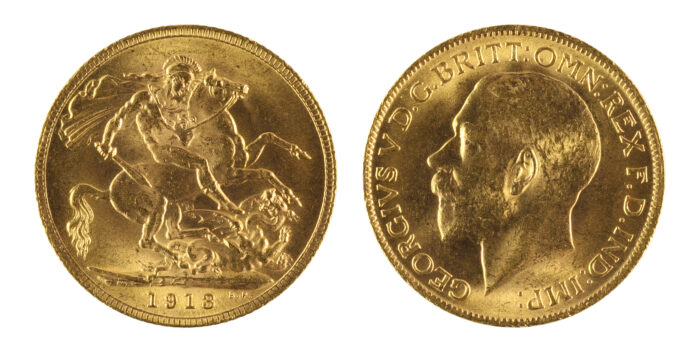
The modern Sovereign, closer to how we would think of the coin, was a reintroduction first minted in 1817 by George III in the aftermath of the Napoleonic Wars, as part of an overhaul known as the Great Recoinage. This version of the coin was currency meant for trade and featured the iconic St George and the Dragon design by Benedetto Pistrucci. This was the period in which the Sovereign became firmly established, as by this time, the Royal Mint had adopted machinery that allowed for industrial standardisation, and the mass production of coins was well underway.
The Sovereign Post-1900 and Today
As a symbol of the British Empire and trusted to contain a fair quantity of gold, Sovereigns became widely circulated globally for many years. Mints in Australia, Canada, South Africa, and India all produced them during different periods, though production ceased with the beginning of the First World War. Regular production of the Sovereign did not resume until 1957.
Today, Sovereigns are no longer used as everyday currency, but they remain one of the most popular gold coins in global circulation, valued for both their beauty and financial reliability. New coins are produced annually and updated with each new monarch, though the ones struck closest to 1817 remain the most sought-after.
Types of Gold Sovereign
There are many types of Sovereign available on the market, with the most common sizes being:
- Full Sovereign
- Half Sovereign
- Quarter Sovereign
- Double Sovereign
A full Sovereign is the standard version, while beginner collectors often purchase fractional coins due to lower entry costs. Many people search specifically for Half Sovereigns and their value, as these coins can sometimes carry higher premiums depending on rarity and collector demand.
Bullion Sovereigns vs. Proof Sovereigns
Another major distinction is whether a sovereign is bullion or proof.
Bullion Sovereigns: These are struck primarily for investment and are valued at close to their gold content, with a modest premium.
Proof Sovereigns: Proof sovereigns are struck using polished dies and superior finishes. They are often sold in presentation cases and produced in lower numbers. Because of this, proof coins tend to command significantly higher prices and are sought after by serious collectors.
Valuation and Pricing for Gold Sovereigns
How much a gold Sovereign is worth depends on several important factors, including the current spot price of gold, whether the coin is a bullion sovereign or a proof sovereign, the year and monarch featured on the coin, and the overall condition and level of wear. Collector demand and mint mark rarity can also play a significant role in shaping a sovereign’s value. While a standard bullion sovereign will often track closely with the value of its gold content, rarer or more collectable examples can be worth considerably more.
Spot Price vs. Sovereign Price
The spot price reflects the raw gold value. However, gold Sovereign prices are often higher because they are:
- Trusted coins with guaranteed gold content
- Easier to trade internationally
- Attractive to collectors
- Often exempt from CGT in the UK
This also explains why Sovereign values frequently exceed their melt weight.
Tips When Buying Gold Sovereigns
If you are wondering where or how to buy gold sovereigns, it is always best to choose trusted and reputable sources. Established bullion dealers, experienced numismatic specialists, and auction houses that provide proper verification are all reliable options, as are professional coin buyers who follow thorough authentication processes. In contrast, unverified private sellers or informal marketplaces should be approached with caution, as they often lack guarantees of authenticity and may carry greater risk.
Should I Buy Proof or Bullion Sovereigns?
This all depends on what you intend to do with the coins once you have them. For investors, bullion Sovereigns are often the simplest choice. Meanwhile, for collectors, proof Sovereigns, commemorative editions, and rare years tend to offer stronger long-term appreciation.
How to Start Collecting Gold Sovereigns
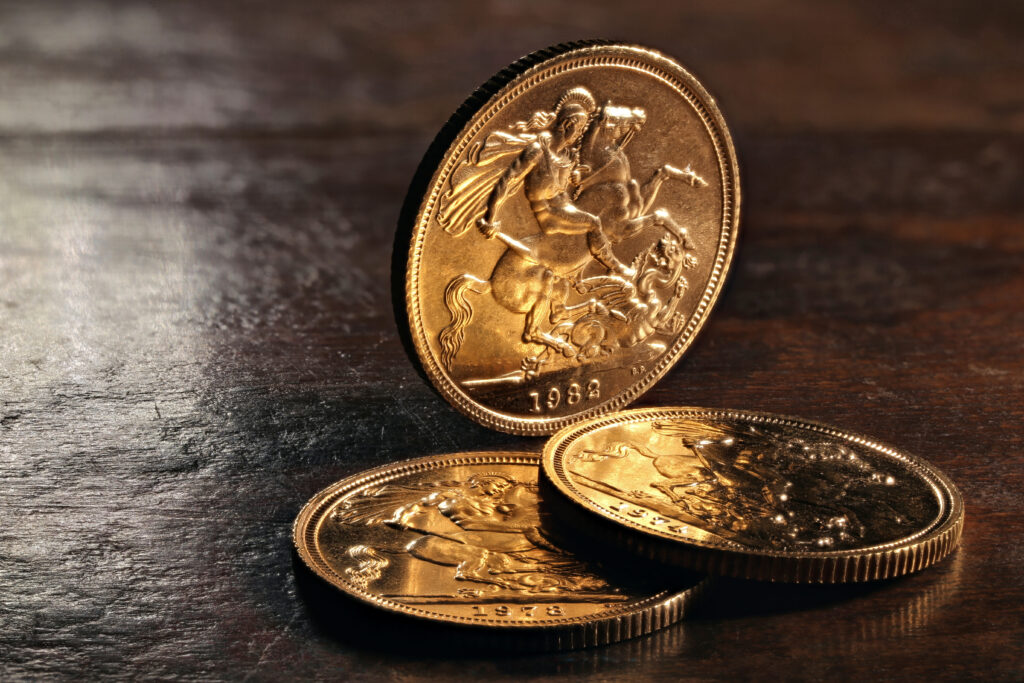
Collecting gold sovereigns is one of the most popular and rewarding areas within British numismatics, appealing to both seasoned collectors and those just beginning their journey. Many people are drawn to the coins not only for their intrinsic gold value but also for their rich historical significance, intricate designs, and the fascinating stories behind each monarch’s reign.
Collectors often start by focusing on classic Victorian Sovereigns, which are especially admired for their variety and enduring charm, as well as key Edwardian dates that can be rarer and more sought after. George V sovereigns also remain highly collectable, particularly those minted during significant historical periods, while modern special editions attract those who appreciate limited commemorative releases and flawless proof finishes.
Whether you are building a collection for personal enjoyment or long-term value, Sovereigns offer an exceptional blend of heritage, beauty, and lasting demand.
Alternatives and Comparing Gold Sovereigns
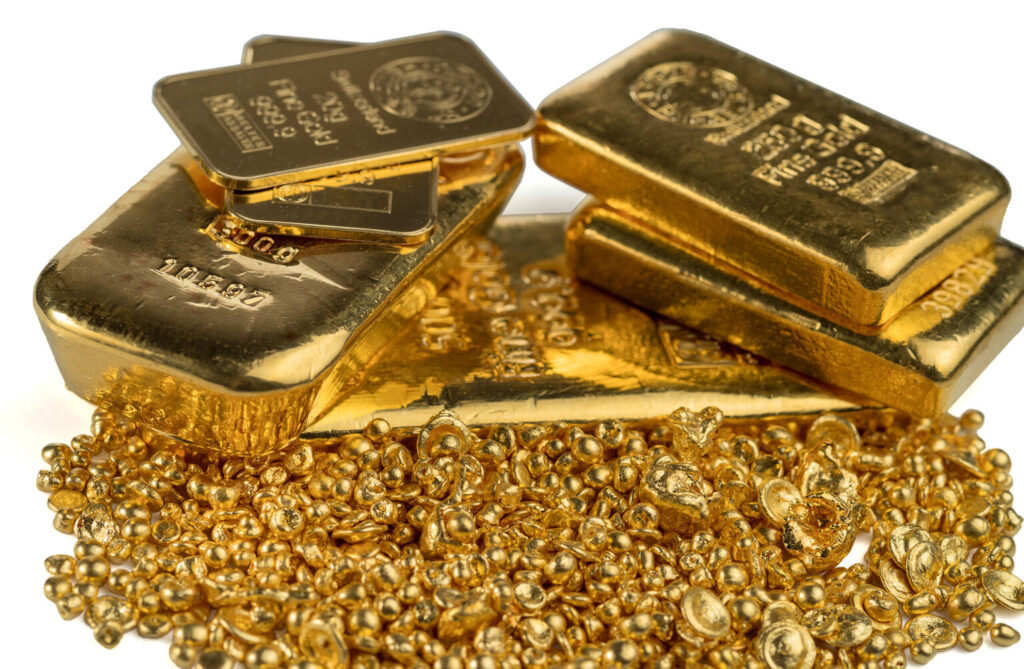
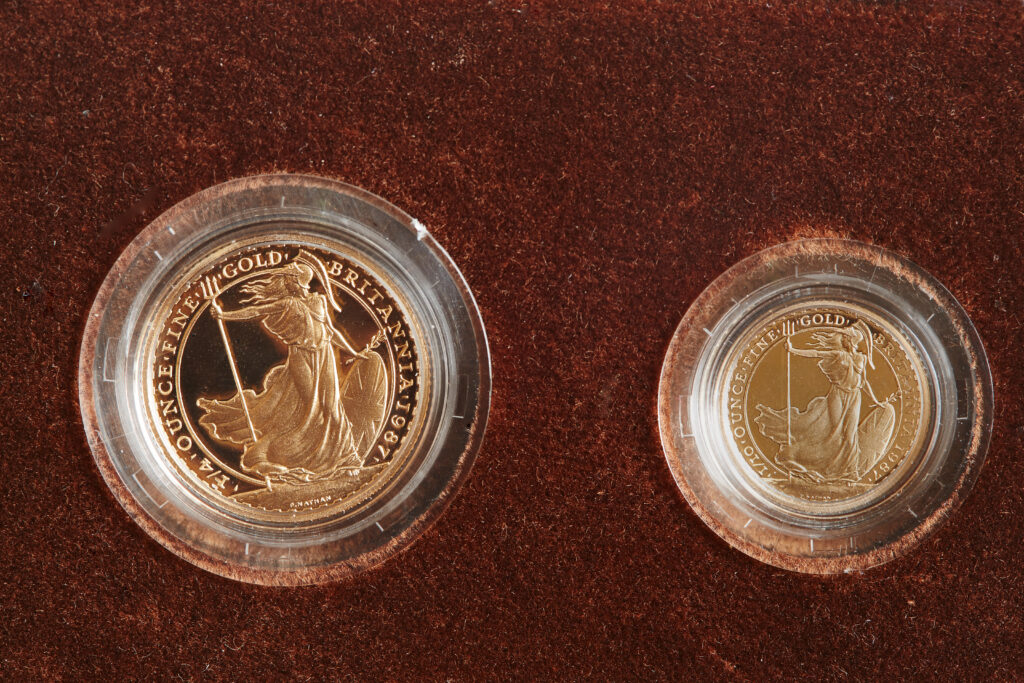
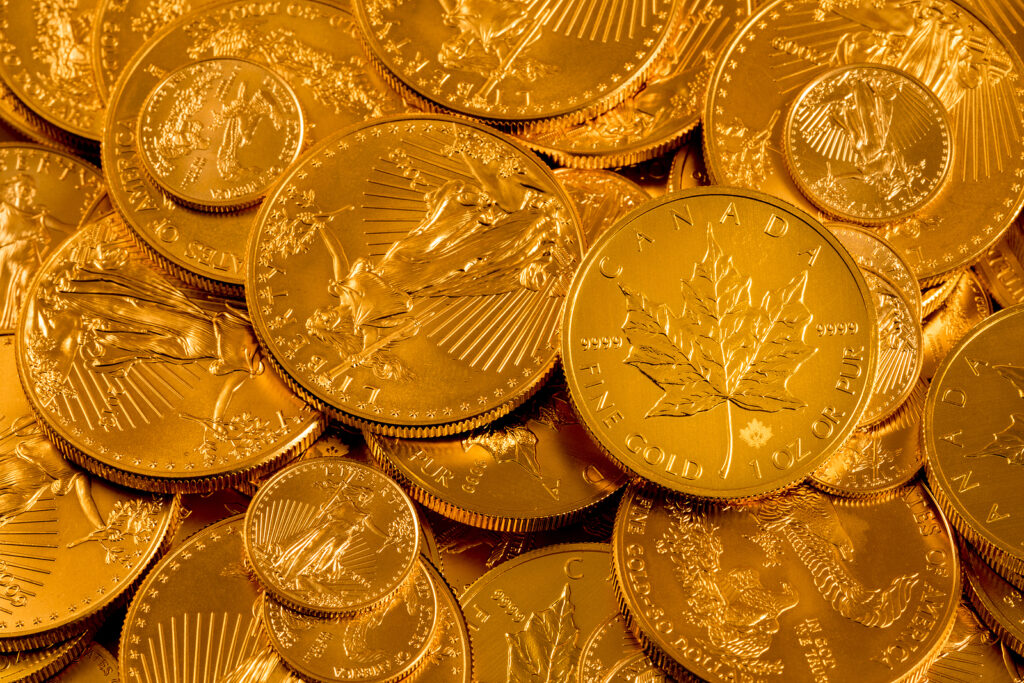
When considering gold sovereigns as part of a collection or investment portfolio, it is often helpful to compare the different types and other popular forms of physical gold, including other coins. Investors and collectors may come across alternatives such as gold Britannias, Krugerrands, or gold bars. Each option has its own advantages depending on whether your priority is historic value, liquidity, collector demand, or simply maximising gold content. Understanding the differences can also help you choose the right coin or asset for your goals.
Selling Gold Sovereigns for the Best Price
If you want to sell gold Sovereigns or want more advice on how to sell gold Sovereigns, the first thing you should know is that the route you choose can have a significant impact on both the price you achieve and the overall experience. Traditional auction houses may seem like an obvious option, but they often involve seller fees, commission charges, and long waiting periods before a final result is confirmed. In many cases, the outcome can also be uncertain, as the final sale price depends entirely on auction-day demand.
Burlingtons Ltd. offers a far simpler and more personal alternative. With our expert valuation service, clients can receive a fair and transparent offer without the stress of auctions or hidden costs. We provide discreet private consultations, often through home visits across the UK, and immediate payment of the full selling price when a sale is agreed. The service is no-obligation and completely free.
Value and Sell Your Gold Sovereign with Expert Help
With over three decades of experience in rare coins and high-value antiques, Burlingtons Ltd. provides trusted valuations supported by deep market knowledge and an established network of collectors. Whether you have a single coin or an entire inherited collection, we offer an expert and discreet way to understand what your gold Sovereigns are truly worth on today’s market.
If you feel ready to sell your coins, we’ll be here to guide you with honesty, expertise, and complete discretion. Contact us today to discover the true value of your coins and enjoy a smooth, stress-free selling experience.
The Design of the Gold Sovereign and Other FAQs
Understandably, you may have further questions about gold Sovereigns – either before buying, or before you choose to sell. We’ll be happy to answer them before you begin.
Why St George and the Dragon?
Benedetto Pestrucci’s interpretation of the legend of St George was chosen for the reverse of the coin for what it represents. The story is that of a humble Roman soldier who slew a dragon and rescued a princess, featuring themes of bravery, sacrifice, and tradition. St George is the patron saint of England, meaning that part of Britain’s own religious and cultural history is reflected there, and for collectors, this is part of what makes Sovereigns so valuable.
As a reverse design, St George and the Dragon is almost synonymous with the Sovereign and is instantly recognisable even to this day.
What is the Weight of a Gold Sovereign?
All full gold Sovereigns are 22 carat gold, with a diameter of 22.0 millimetres and a total weight of 7.98805 grams. These have been the same specifications since the coin was reintroduced in 1817.