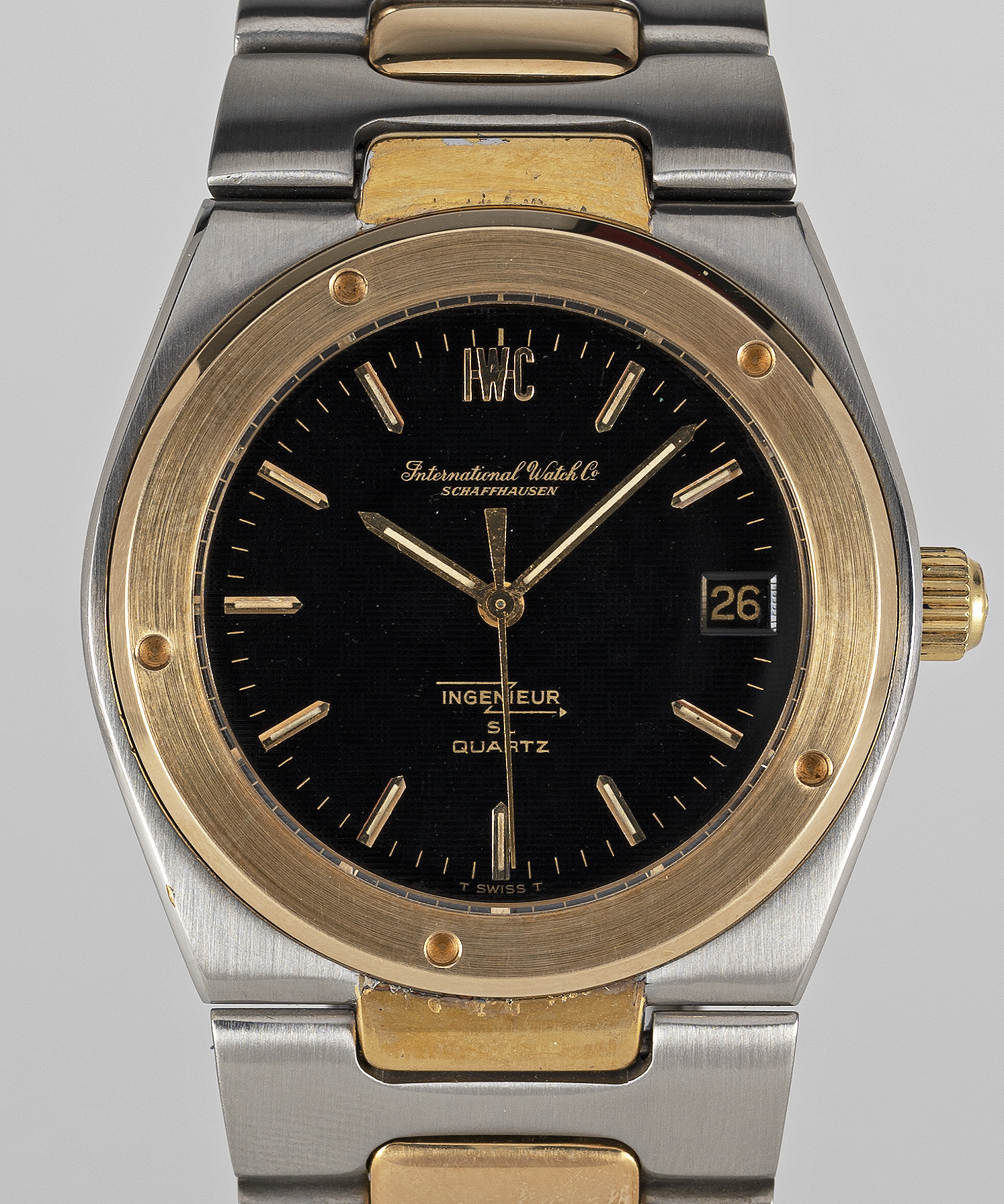
Gold watches have long been associated with prestige, craftsmanship, and timeless style. However, many owners are unaware that the individual components inside and outside a gold watch can significantly influence its desirability and market value.
Whether you have inherited a gold watch, collected luxury timepieces for years, or are considering selling a gold watch you no longer wear, understanding the various parts and complications can help you make informed decisions.
With decades of experience in the luxury goods market, we can offer expert guidance.
The Main Parts and Components of a Gold Watch
Luxury gold watches are made up of numerous carefully engineered components:
What is a Watch Case?
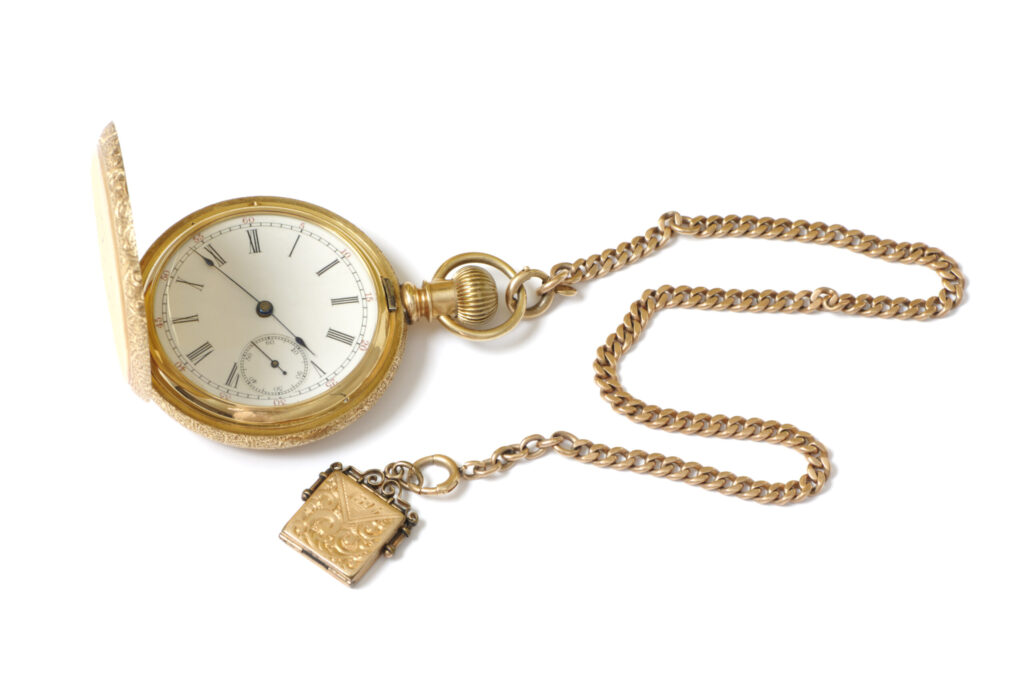
The watch case is the outer shell that protects the internal movement of the watch. In gold watches, the case may be crafted from solid yellow gold, white gold, rose gold, or occasionally gold-plated materials. Collectors and buyers often look for hallmarks, reference numbers, and manufacturer engravings inside or on the back of the case. Solid gold cases from prestigious brands typically carry considerably more value than plated alternatives, particularly when accompanied by original documentation.
Condition is also important. While light wear is expected on vintage watches, over-polishing can soften edges and reduce collector appeal.
What is a Watch Dial?
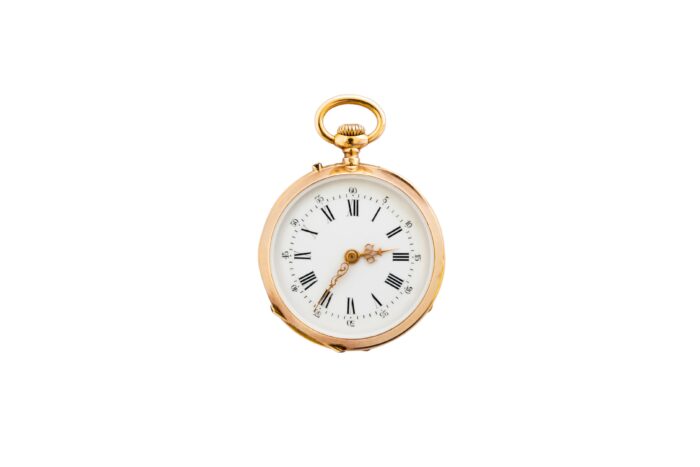
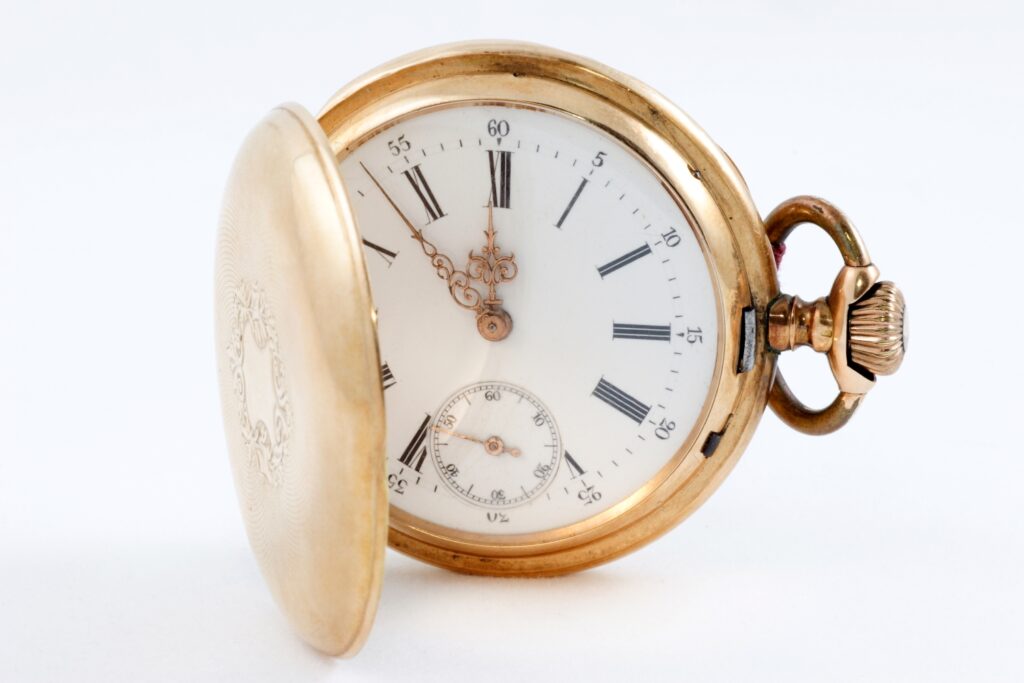
The dial is the face of the watch and one of the most important factors in determining value. Original dials are highly sought-after, especially on vintage luxury watches. Collectors often favour gold watches with untouched dials that show natural ageing or “patina,” as these features can enhance authenticity and character. In contrast, refinished or repainted dials may reduce desirability, even if they appear visually cleaner.
Certain rare dial variations, signatures, or limited production details can also dramatically increase value among collectors.
What is a Watch Crystal?
In a watch, the crystal is the transparent cover protecting the dial. Depending on the age and style of the watch, this may be made from acrylic, mineral glass, or sapphire crystal. Vintage watches frequently feature acrylic crystals, while modern luxury watches commonly use scratch-resistant sapphire crystals.
Although replacing a damaged crystal is often considered acceptable maintenance, collectors generally prefer original components where possible. Professional replacements are less likely to negatively impact value than poorly fitted aftermarket parts.
What is the Watch Movement?
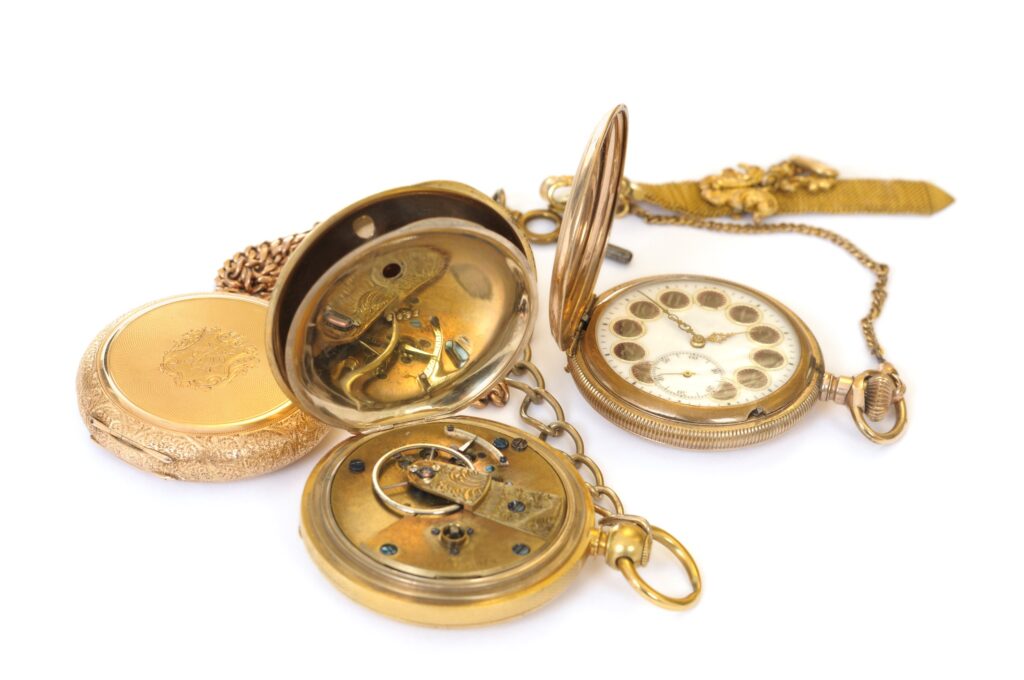
The movement is the internal mechanism that powers the watch and is often regarded as the heart of the timepiece. A clean, original movement with matching serial numbers can significantly increase value, especially if the watch has been regularly serviced and well-maintained.
Gold watches may contain:
- Manual movements
- Automatic movements
- Quartz movements
Mechanical and automatic movements are usually more desirable to collectors, particularly when produced by respected Swiss manufacturers.
What is the Crown on a Watch?
The crown is the small knob located on the side of the case used for winding and setting the watch. Luxury brands often use signed crowns featuring their logo or emblem. Replacing an original crown with an aftermarket version can impact collector value, particularly on vintage Rolex or Patek Philippe watches where originality is closely scrutinised.
What is the Bezel on a Watch?
The bezel surrounds the crystal and may be decorative or functional. Some gold sports watches feature rotating bezels for timing or diving purposes. Original bezels in good condition are highly desirable, particularly on collectable sports models where replacement parts can be expensive and difficult to source.
What is a Bracelet or Strap on a Watch?
Original gold bracelets can substantially increase the value of a luxury watch. Matching bracelets stamped by the manufacturer are particularly desirable among collectors. Even if a watch is currently fitted with a leather strap, retaining the original bracelet separately may significantly improve resale potential.
What Are Hands and Hour Markers on Watches?
The watch hands and hour markers contribute greatly to the overall appearance of the dial. Collectors typically look for consistency between these elements and the dial itself.
Original luminous material that has naturally aged over time is often preferred over modern replacement parts.
What is the Caseback on a Watch?
The caseback of a watch can provide valuable information regarding authenticity, serial numbers, and production dates. Some watches may also feature personal engravings or commemorative inscriptions, which occasionally add historical interest. For watch collectors, matching case and movement numbers can provide reassurance regarding originality and provenance.
Which Gold Watch Parts Matter Most to Collectors?
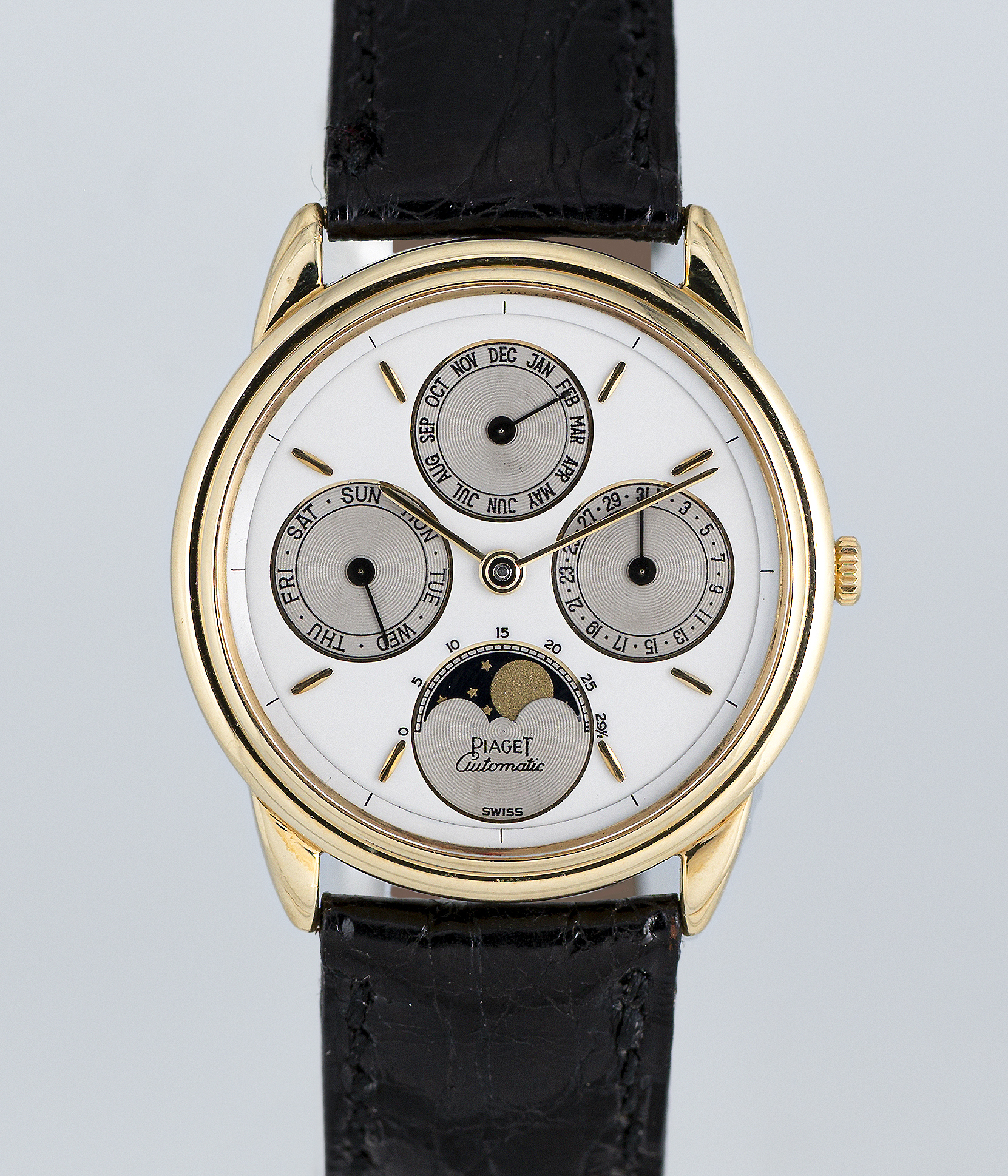
When assessing the value of a gold watch, collectors often place far greater importance on originality than perfection. Natural wear developed over decades is usually considered far more desirable than heavily restored or replaced components, particularly on vintage luxury watches.
Among the most important parts are the dial and movement. An original dial can significantly increase collector appeal, even if it shows signs of ageing or patina. In many cases, collectors would rather own a watch with a lightly worn original dial than one that has been professionally refinished. Similarly, a clean, original movement with matching serial numbers helps verify authenticity and provides greater confidence when buying or selling.
Original bracelets, bezels, crowns, and hands can also have a major impact on value. On sought-after gold Rolex and Patek Philippe models, especially, retaining the original gold bracelet alone can add thousands to the overall resale price. Collectors also pay close attention to whether components are period-correct and consistent with the watch’s production year.
Are Aftermarket Parts a Problem When Selling a Gold Watch?
Many luxury watches undergo repairs or servicing during their lifetime, and replacement parts are relatively common. However, the effect these parts have on value often depends on which components have been replaced and the quality of the work carried out.
What Are Aftermarket Parts?
Aftermarket parts are components not produced or supplied by the original watch manufacturer. These may include replacement dials, bezels, bracelets, crystals, crowns, or hands. And, while some aftermarket repairs are purely cosmetic or functional, others can significantly affect collector appeal.
Does Replacing the Crystal Affect Resale Value?
In most cases, replacing a damaged crystal has only a limited effect on value, especially if the replacement has been professionally installed and closely matches the original specification. Collectors generally understand that crystals are vulnerable to wear over time. On vintage watches intended for regular wear, replacement crystals are often considered practical maintenance rather than a major issue.
However, originality remains important for highly collectable or investment-grade watches.
Does an Original Dial Significantly Increase Value?
Yes, original dials are often one of the most important aspects of a collectable watch. A watch with its original factory dial can command substantially higher prices than an identical example with a refinished or replacement dial. This is particularly true for rare Rolex, Audemars Piguet, Patek Philippe, and Omega models.
Interestingly, ageing is not always viewed negatively. Tropical dials, faded finishes, and natural patina can sometimes increase desirability among enthusiasts who value originality and character.
Other Replacement Parts That May Affect Value
Collectors may also pay close attention to:
- Replacement crowns
- Aftermarket bezels
- Non-original bracelets
- Incorrect hands
- Modified movements
That said, not every replacement part drastically reduces value. Much depends on the rarity of the watch, the quality of the restoration, and current collector demand.
At Burlingtons Ltd, we regularly assess watches with replacement components and can advise owners on how these factors influence market value.
Watch Complications Explained
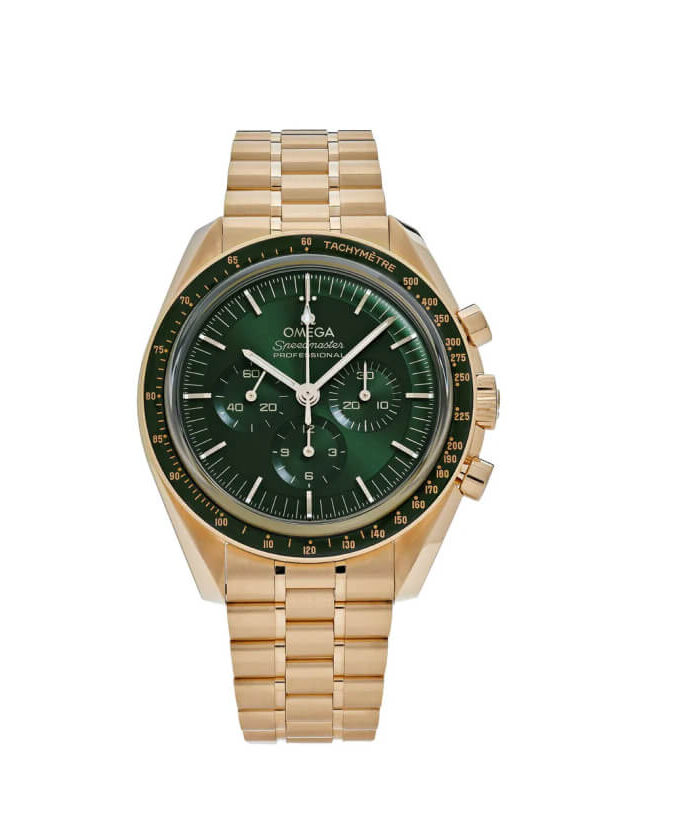
In watchmaking, a “complication” refers to a feature on a watch with any function beyond basic timekeeping. Complications often showcase the technical skill and craftsmanship of the manufacturer and can greatly influence a watch’s collectability.
Date Complications
One of the most common complications, the date display adds practicality and everyday usability. Many iconic gold watches from Rolex and Patek Philippe include simple date complications.
Chronographs
Chronographs function as stopwatches and are among the most popular complications with collectors. Luxury chronograph watches from brands such as Rolex, Omega, and Audemars Piguet are often highly sought-after due to their sporty appearance and technical complexity.
Moon Phase Displays
Moon phase complications track the phases of the moon using a rotating display on the dial. These complications are admired for their elegance and traditional craftsmanship, particularly in dress watches.
GMT Functions
GMT watches allow the wearer to track multiple time zones simultaneously, making them especially popular among travellers and collectors. Rolex GMT-Master models are among the best-known examples.
Perpetual Calendars
Perpetual calendar watches automatically adjust for different month lengths and leap years. These highly complicated movements require exceptional engineering and are often found in prestigious high-end timepieces.
Tourbillons
Originally designed to improve accuracy, tourbillons are now considered one of the most impressive and luxurious complications in watchmaking. Gold tourbillon watches are typically produced in limited numbers and can command exceptionally high prices.
Minute Repeaters
Minute repeaters chime the time acoustically when activated. These rare complications are considered masterpieces of traditional horology and are among the most prestigious available.
Do Complications Make Gold Watches More Valuable?
In many cases, complications do increase the value of a gold watch, but they are only one factor among many. A complicated watch from a prestigious manufacturer may command substantial prices due to the technical skill involved in its creation. However, condition, rarity, provenance, and originality often remain equally important.
For example, a simple vintage gold Rolex in excellent original condition may outperform a more complicated watch from a lesser-known brand.
Factors influencing value include:
- Brand reputation
- Rarity
- Originality
- Service history
- Precious metal content
- Market demand
- Condition of the movement
Collectors are often willing to pay premiums for watches that combine multiple desirable features, such as rare complications, original dials, and documented provenance.
When Should You Seek a Professional Gold Watch Valuation?
Many gold watch owners are unaware of the true value hidden within their timepieces. Even watches that appear worn, incomplete, or outdated can hold significant collector interest.
Seeking a professional valuation is particularly important if:
- You have inherited a luxury watch
- The watch contains rare complications
- You are unsure whether parts are original
- The watch is made from solid gold
- You are considering selling
- You require a probate or insurance valuation
- You own a vintage model of a well-known maker like Rolex, Patek Philippe, Omega, or Audemars Piguet
At Burlingtons Ltd., we provide discreet and professional valuations tailored to each watch. Our decades of experience in luxury collectables and extensive network of collectors allow us to accurately assess both modern and vintage gold watches.
Sell Your Gold Watch with Burlingtons Ltd.
Whether your gold watch is a pristine collector’s piece, an inherited family heirloom, or a watch with replacement parts and signs of wear, Burlingtons can help you understand its true market value. Our specialists conduct valuations with honesty, discretion, and professionalism, offering clients a straightforward alternative to traditional auction houses.
Unlike many auction services, we also provide immediate payment, no hidden fees, and a highly personal approach tailored to your individual circumstances. Our private home valuation service is available throughout the United Kingdom, allowing clients to sell valuable watches securely and conveniently without unnecessary stress or delays.
Contact us today to arrange a professional gold watch valuation and discover what your timepiece may truly be worth.