Whether it’s a modern luxury timepiece, a vintage heirloom, or a rare collector’s item, a gold watch often carries both financial and sentimental value. Proper maintenance plays an important role in protecting that value by preserving the appearance, performance, and desirability of the watch over time.
However, maintaining a gold watch is not always as straightforward as it seems. With decades of experience and access to an international network of collectors, we understand exactly what buyers look for and how careful maintenance can help preserve a timepiece’s long-term value.
Cleaning and Maintaining Gold Watches at Home
Regular care can help keep a gold watch looking its best while reducing unnecessary wear over time. Fortunately, there are several simple maintenance steps you can safely carry out at home.
A soft microfibre cloth is one of the safest and most effective tools for day-to-day cleaning. Gently wiping the watch after wearing it helps remove fingerprints, moisture, and oils that can gradually dull the finish. For watches with greater dirt build-up, a lightly dampened cloth with mild soap and lukewarm water may be appropriate, although extra care should always be taken with vintage or non-waterproof watches.
How Not to Clean a Gold Watch
Gold is naturally softer than materials such as stainless steel, making it more susceptible to scratches and marks. Abrasive cloths, harsh cleaning chemicals, and polishing compounds should be avoided entirely, particularly on vintage pieces where originality is highly important.
It is also wise to protect gold watches from unnecessary exposure to perfumes, cleaning products, humidity, and excessive heat. These environmental factors can affect both the exterior finish and the internal movement over time.
When More Specialist Care is Required
Different types of gold watches are likely to require different levels of care. Mechanical watches should be professionally serviced periodically to ensure the movement remains in good working order. Even if a watch appears to function correctly, internal wear can develop gradually without immediate visible signs.
It’s important to remember that solid gold watches are generally more durable than gold-plated examples. But at the same time, antique and vintage watches also often require a more delicate approach due to their age and originality.
The Best Way to Store Gold Watches
Correct storage is one of the simplest ways to preserve the condition and value of a gold watch. Ideally, watches should be stored in a soft-lined watch box or individual pouch to minimise the risk of scratches and accidental damage. Allowing watches to rub against jewellery, metal objects, or other watches can quickly mark softer gold surfaces.
Humidity and direct sunlight should also be avoided. Excessive moisture can affect internal mechanisms, while prolonged exposure to sunlight may damage leather straps and fade certain dial materials over time.
Importantly, original boxes, papers, receipts, and service records should always be retained where possible. Complete documentation can significantly increase the desirability and resale value of a gold watch, particularly for sought-after luxury brands and vintage collector pieces.
Keeping a Gold Watch Wound
For automatic watches, some owners choose to use watch winders to keep the movements running when not in use. While not essential for every collector, they can be beneficial for certain complicated mechanical watches.
What Kinds of Damage Affect Gold Watches Most?
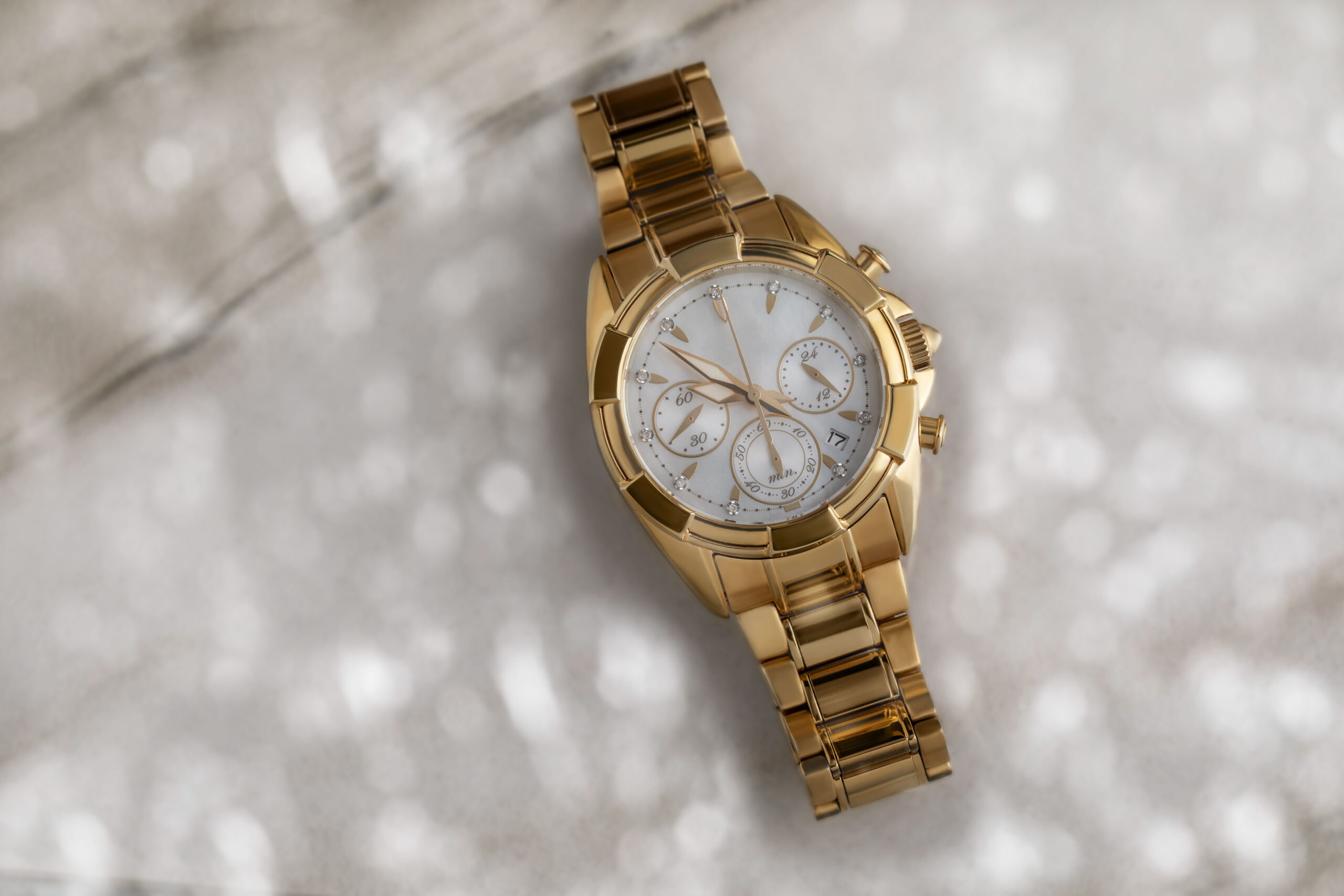
Gold watches can experience a variety of issues over time, some of which can substantially affect value:
- Surface scratches and dents are among the most common forms of damage.
- As gold is softer than steel, everyday wear can gradually leave visible marks on the case and bracelet.
- Water damage is another serious concern, particularly with vintage watches that may no longer retain their original water resistance.
- Moisture entering the case can damage delicate internal components and lead to corrosion.
- Bracelet stretch is frequently seen on older gold watches that have been worn regularly for decades. Over time, the links can loosen, affecting both appearance and structural integrity.
- Wear to crowns, clasps, and bezels can also impact both functionality and collector appeal, while neglected servicing may allow internal mechanical wear to worsen unnoticed.
One of the most significant issues affecting value is poor restoration work. Over-polishing, replacement parts, and non-original dials can dramatically reduce the desirability of a watch amongst serious collectors.
Can Over-Polishing Really Reduce the Value of a Gold Watch?
In many cases, yes. While polishing may initially make a watch appear cleaner or brighter, excessive polishing can remove small amounts of gold from the case over time. This may soften sharp edges, reduce the definition of the original design, and even wear away important hallmarks or engravings.
Vintage gold watches are particularly vulnerable to value loss through over-polishing. Collectors frequently prefer watches with natural ageing and character rather than those that have been aggressively restored to appear newer than they are.
This is why sympathetic cleaning and careful preservation are generally preferred over repeated cosmetic refinishing.
Should Patina Be Preserved on a Gold Watch?
Patina refers to the natural ageing that develops on a watch over time. On gold watches, this may include gentle softening of the finish, subtle tonal changes, or light signs of wear that reflect the watch’s history and authenticity. For many collectors, this patina is considered highly desirable. Rather than viewing these signs of age as flaws, collectors often see them as evidence that a watch has remained original and untouched throughout its life. Vintage gold watches with well-preserved patina can even sometimes achieve stronger prices than heavily restored examples.
Attempting to remove patina through aggressive polishing or restoration can sometimes reduce collector interest and negatively impact value. This is why many specialists recommend a careful and sympathetic approach when maintaining older watches.
How to Tell if a Gold Watch Has Previously Been Serviced or Repaired
There are often subtle indicators that a watch has undergone servicing or restoration. Inside the case, watchmakers may leave small service marks indicating previous maintenance. While these are not always visible without opening the watch, they can provide useful information about its history.
Externally, uneven polishing may suggest earlier refinishing work. Rounded edges, softened lugs, or faded engravings can indicate that the case has been polished multiple times. Replacement parts may also become apparent through inconsistencies in colour, ageing, or style. Mismatched hands, replacement dials, or non-original crowns can all affect collector value.
Vintage watches that appear unusually bright or pristine for their age may also have undergone substantial restoration. While this is not always negative, originality is typically a key consideration for collectors and buyers.
Where uncertainty exists, professional inspection is often the best way to determine whether a watch remains fully original or has been previously repaired.
Light Repair Work You Can Carry Out Yourself
There are some minor maintenance tasks that owners may safely carry out themselves, although caution is always advised. Changing straps carefully, cleaning the exterior with a soft cloth, and correctly winding or setting the watch are generally considered safe forms of routine care. Some experienced owners may also feel comfortable tightening loose spring bars or adjusting bracelets, although specialist tools and care are required to avoid accidental scratching.
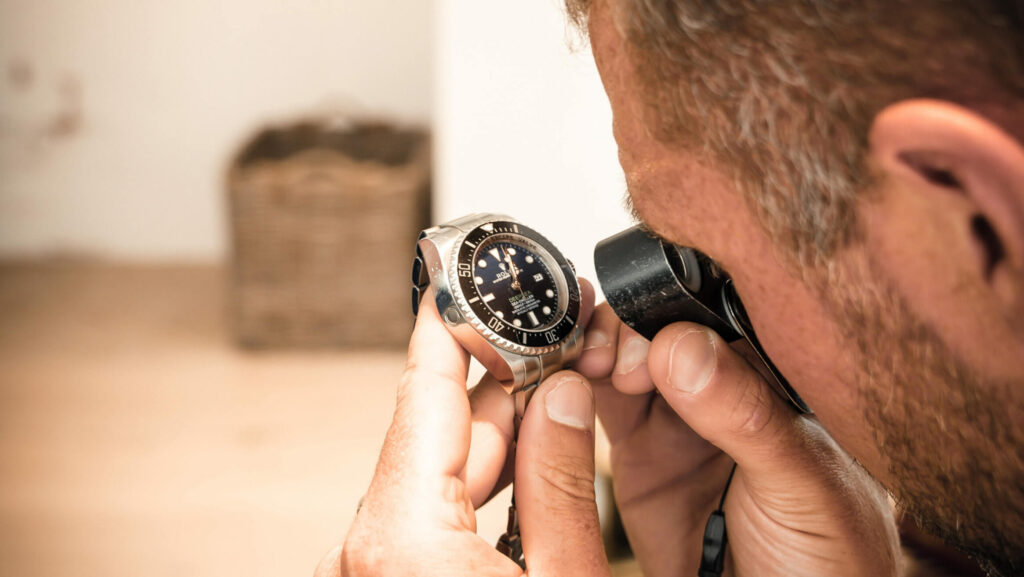
However, most repairs should be left to professionals. Opening the case, attempting movement repairs, testing water resistance, or polishing the watch yourself can easily lead to accidental damage or reduced value. This is particularly important for antique and luxury gold watches, where even small mistakes may significantly impact collector appeal.
Factors Determining if a Gold Watch Should Be Restored
Not every gold watch benefits from restoration. In some cases, preserving the original condition may be the better option. In some situations, sympathetic servicing designed to preserve the watch rather than restore it may be the preferred route.
Several factors influence whether restoration is worthwhile, including:
- The rarity of the watch
- The desirability of the brand
- The age of the piece
- The extent of the damage present
For highly collectable vintage watches, originality is often more valuable than cosmetic perfection. Collectors frequently prioritise untouched dials, original components, and authentic signs of age.
The cost of restoration must also be considered carefully. Extensive repairs may not always increase value proportionately, particularly if original parts are unavailable. Professional guidance is often invaluable when making these decisions, especially for rare or inherited pieces.
When to Seek a Professional Valuation
A professional valuation can provide clarity, reassurance, and valuable insight into the true worth of a gold watch. Many of our clients seek valuations after inheriting watches, before selling, or before carrying out restoration work. Others simply wish to understand the current market value of a piece that may have appreciated significantly over time.
Professional valuations are especially important for vintage, rare, or luxury gold watches, where condition, originality, provenance, and market demand can all dramatically influence value. At Burlingtons Ltd., our specialists conduct valuations with honesty, discretion, and decades of market expertise.
Our extensive international collector network often allows us to achieve prices that are difficult to match through traditional auction routes.
Thinking About Selling Your Gold Watch?
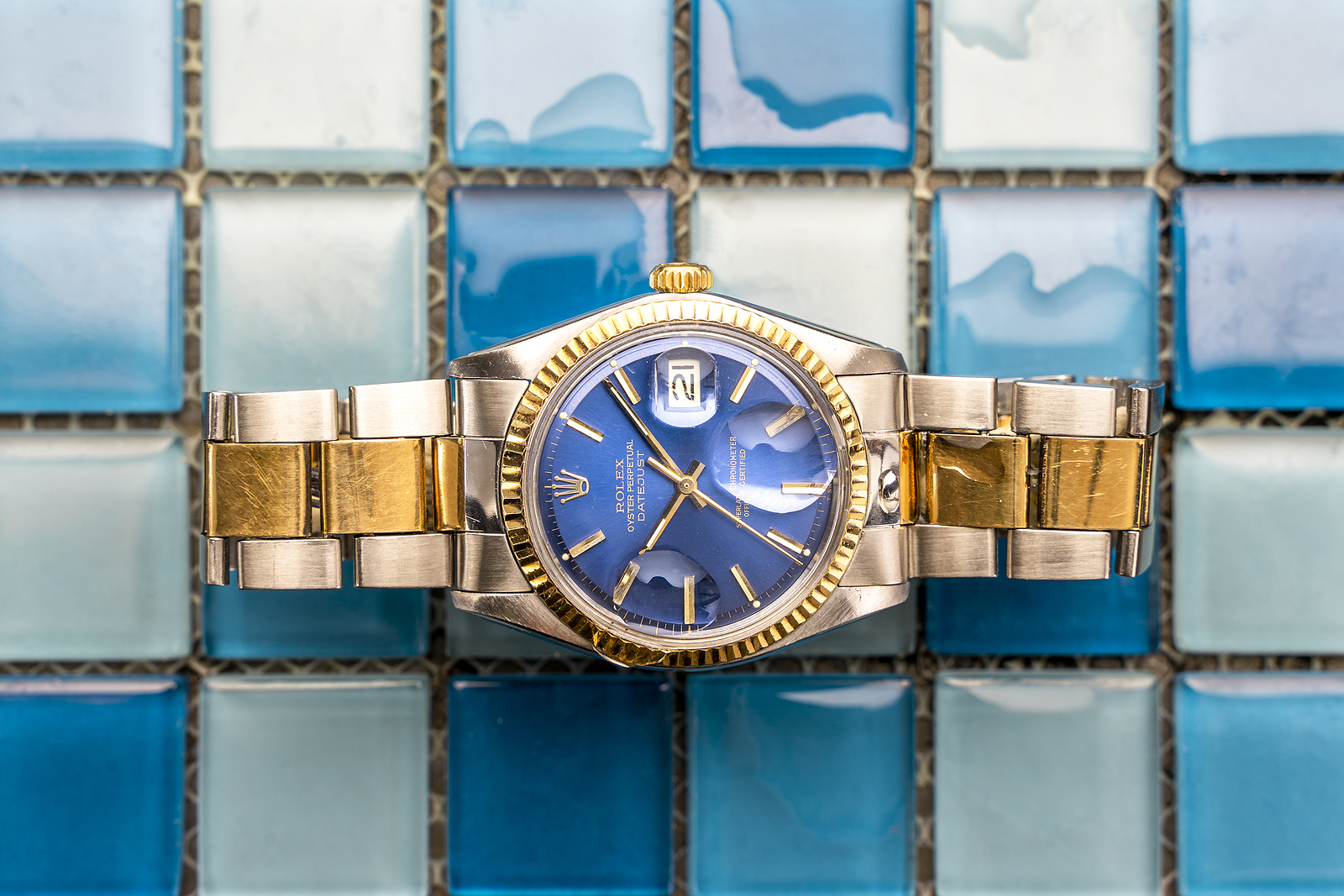
Whether you own a vintage Rolex, an inherited gold pocket watch, or a modern luxury timepiece from Cartier or Patek Philippe, we offer a discreet and professional service designed around your needs. We provide personal home valuations across the UK, allowing you to receive expert advice and accurate market valuations in complete privacy and comfort. There are no hidden fees, no auction house commissions, and no obligation to sell.
If you decide to proceed, we can offer immediate payment and a seamless selling experience backed by decades of expertise and an international network of collectors. Even damaged, incomplete, vintage, or non-working gold watches may still hold significant value.
Contact us today to arrange your private gold watch valuation and discover what your watch could truly be worth.