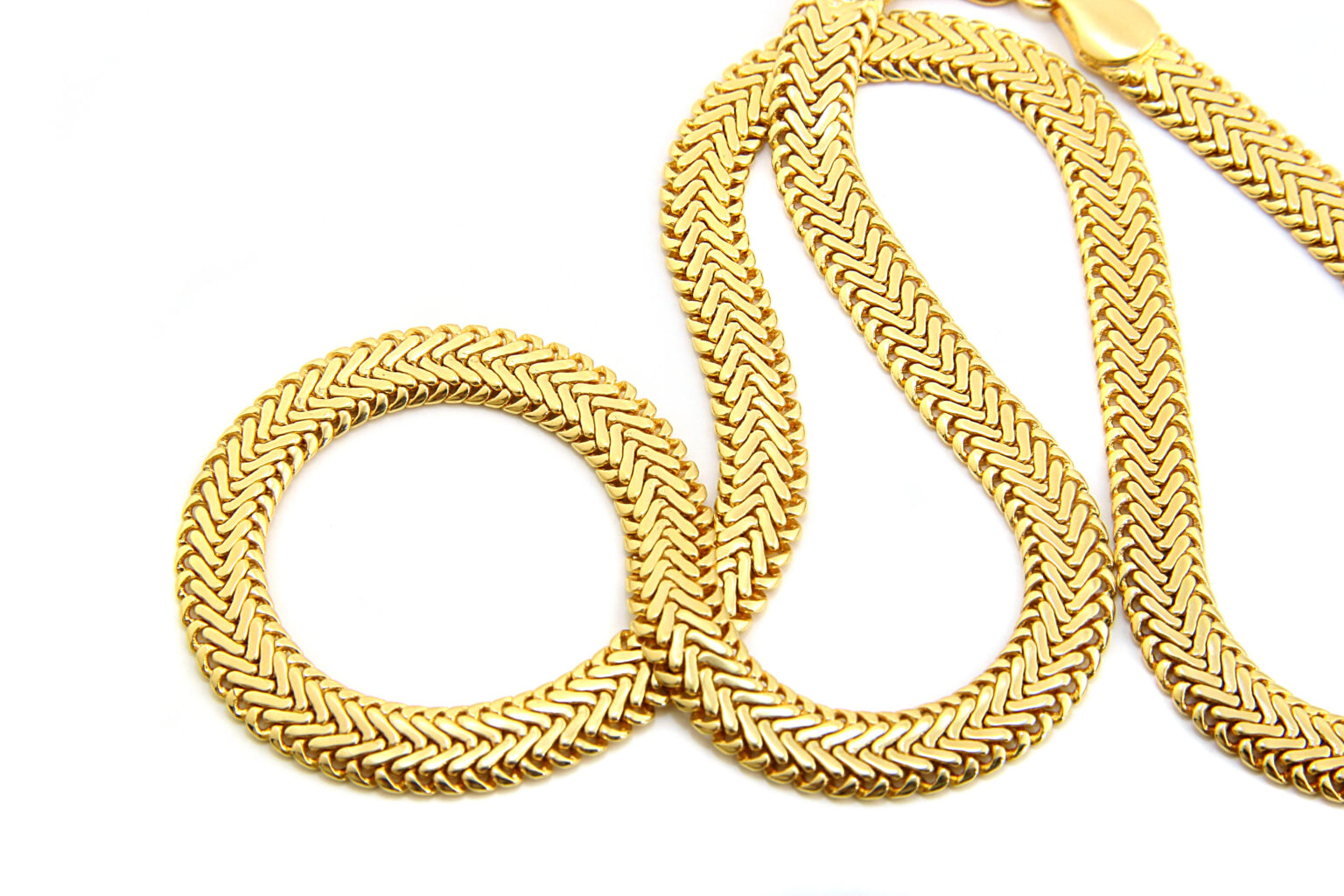
Gold jewellery has fascinated people for thousands of years. From ancient civilisations crafting delicate adornments to modern collectors investing in timeless pieces, gold jewellery continues to hold both cultural and financial significance. Whether inherited, purchased, or collected over time, these pieces often carry stories, craftsmanship, and value that extend far beyond their appearance.
Today, many people own gold jewellery that they no longer wear. Sometimes it sits forgotten in a jewellery box, passed down through generations or bought during a different stage of life. Understanding the history, hallmarks, and overall value of gold jewellery can help you decide what to do with these pieces, whether that means preserving them, adding to your collection, or choosing to sell gold jewellery that no longer suits your needs.
This guide explores everything you should know about gold jewellery, including its history, investment potential, hallmarks, and how to maintain and evaluate its value. Whether you are buying gold jewellery, assessing a collection, or considering selling a piece, having the right knowledge can help you make confident decisions.
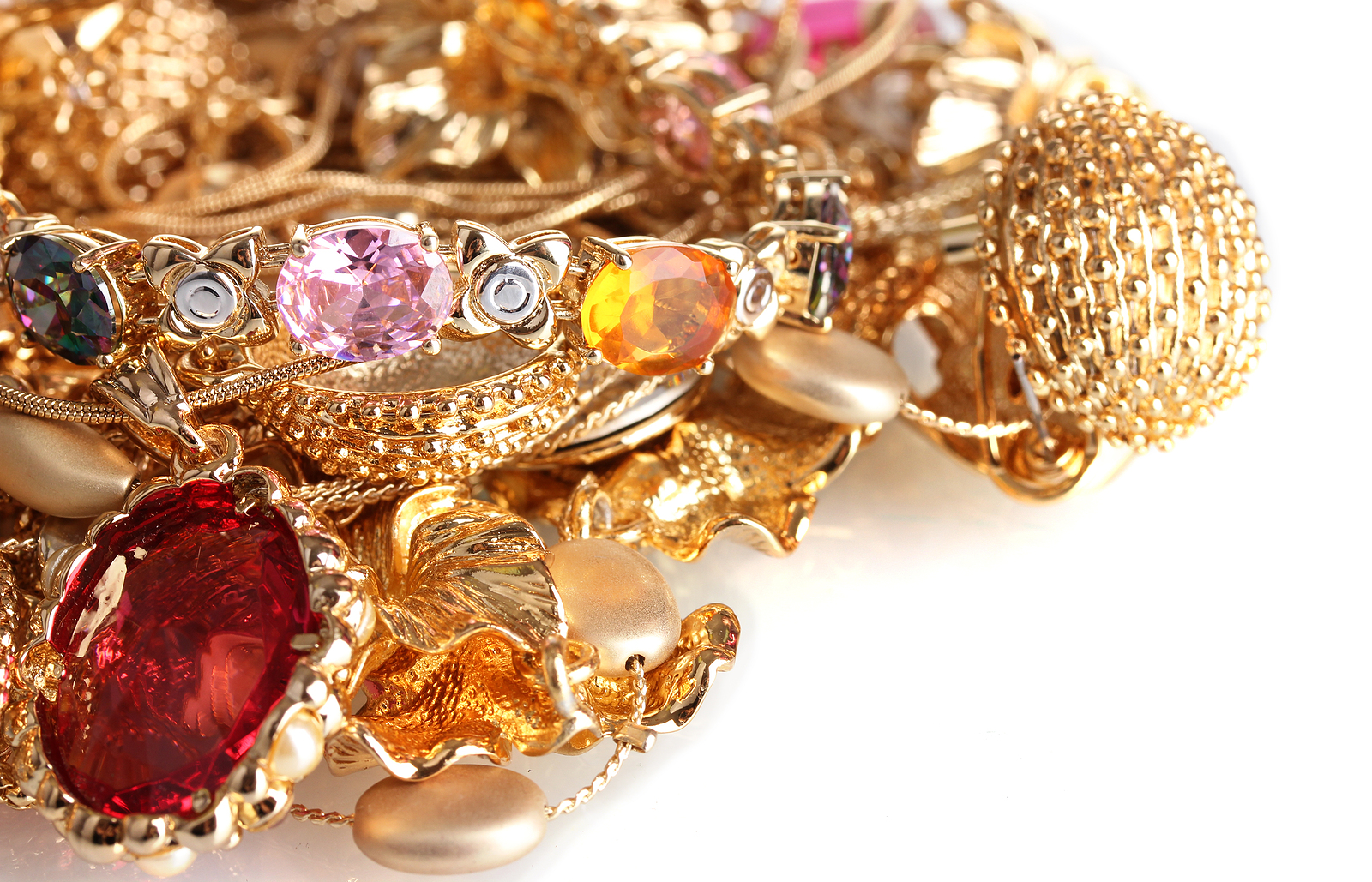
What There is to Know About Gold Jewellery
A Brief History of Gold Jewellery
The history of gold jewellery stretches back over 6,000 years. Ancient civilisations such as the Egyptians, Mesopotamians, and Greeks used gold to create intricate adornments that symbolised wealth, power, and spirituality. Gold’s rarity, durability, and natural beauty made it one of the most prized materials for jewellery.
In ancient Egypt, gold jewellery was often buried with royalty and nobility, as it was believed to accompany the wearer into the afterlife. Greek and Roman societies refined goldsmithing techniques further, producing elaborate necklaces, rings, and decorative pieces that demonstrated remarkable craftsmanship.
Throughout the centuries, gold jewellery continued to evolve. Victorian and Edwardian periods introduced romantic and intricate designs, while the Art Nouveau and Art Deco eras brought bold artistic styles and geometric forms. Today, antique and vintage gold jewellery from these periods remains highly desirable among collectors.
Understanding gold jewellery history is important because the era in which a piece was created can significantly influence its value.
Are Certain Eras More Valuable for Gold Jewellery?
Yes, certain historical periods are especially prized by collectors and enthusiasts. This is especially true of gold jewellery made using certain techniques or for certain occasions, which may have been favoured in those particular years, but at no other time. For example, Victorian mourning jewellery is sought-after today, as is original Art Deco jewellery.
The Most Valuable Regional Gold Jewellery Styles
Throughout history, different cultures have developed distinctive jewellery-making techniques and styles. This means that certain regional gold styles are more valuable than others. For example, Etruscan gold jewellery from ancient Italy is particularly celebrated for its intricate granulation work, where tiny beads of gold are fused onto surfaces to create detailed patterns. Byzantine jewellery, meanwhile, is recognised for its rich designs and elaborate religious symbolism.
Kundan jewellery, originating in India, also uses highly refined gold to set gemstones in a traditional technique that dates back centuries. These pieces are often exceptionally ornate and highly collectable.
Gold Jewellery vs Bullion as an Investment
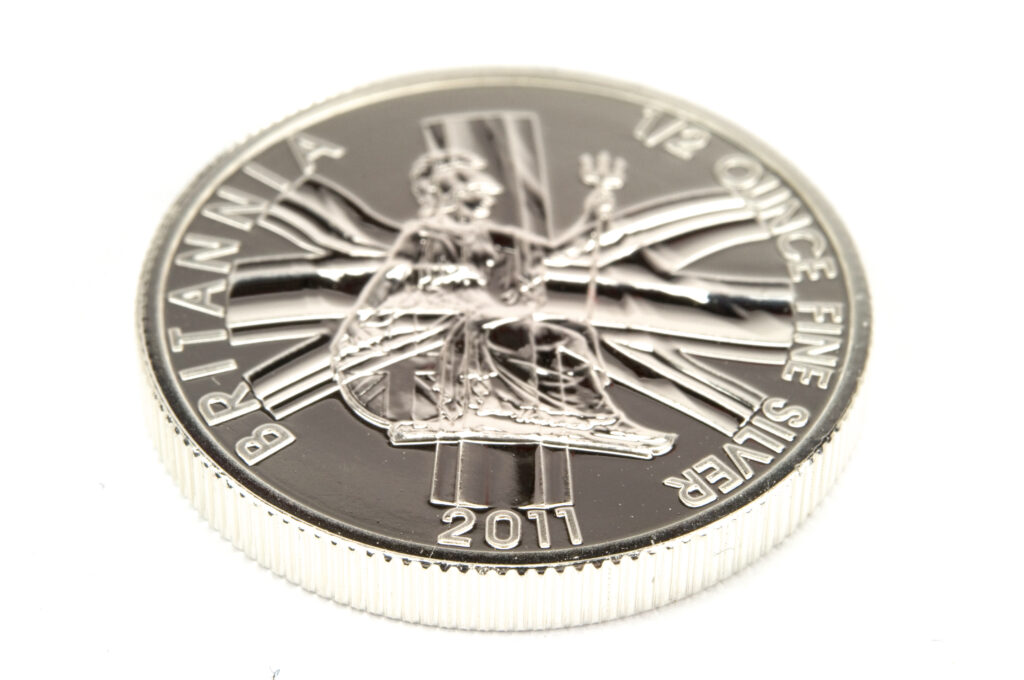
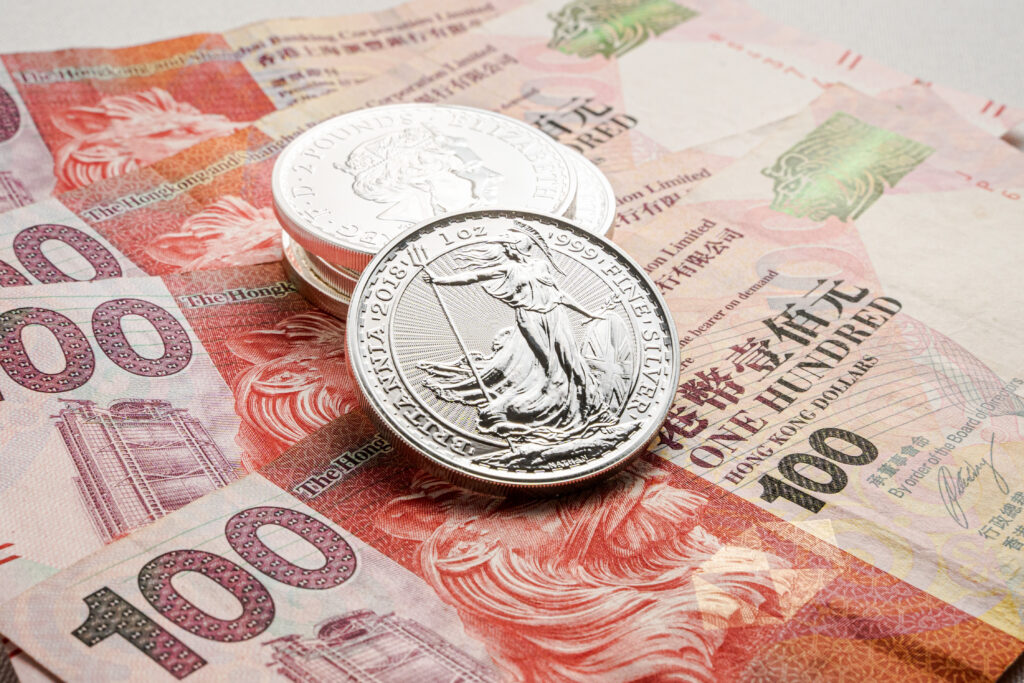
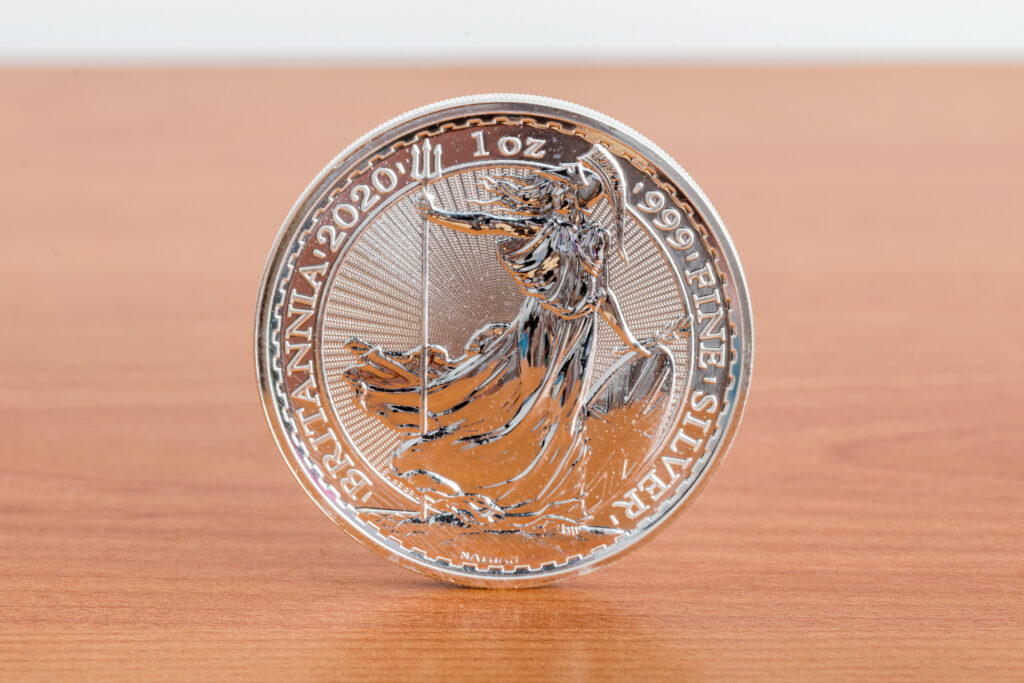
Gold is widely recognised as a store of value, and many investors purchase gold bullion such as bars or coins. However, making a gold jewellery investment can offer different advantages. Bullion is valued primarily based on the weight and purity of the metal. Jewellery, on the other hand, may carry additional value due to craftsmanship, historical significance, and design.
A piece of antique jewellery may be worth significantly more than its gold weight alone because collectors value its artistry and rarity. For this reason, well-chosen gold jewellery collections can sometimes outperform bullion investments over time.
Provenance and Packaging With Gold Jewellery
Provenance refers to the documented history of an item, including previous ownership and origin. Collectors often value pieces with strong provenance because they tell a more complete story. In some cases, gold jewellery may be linked to notable figures or historical events, which can significantly increase its value.
Original packaging and documentation can also enhance desirability. Jewellery presented in its original box or accompanied by maker’s certificates can provide reassurance of authenticity and historical context.
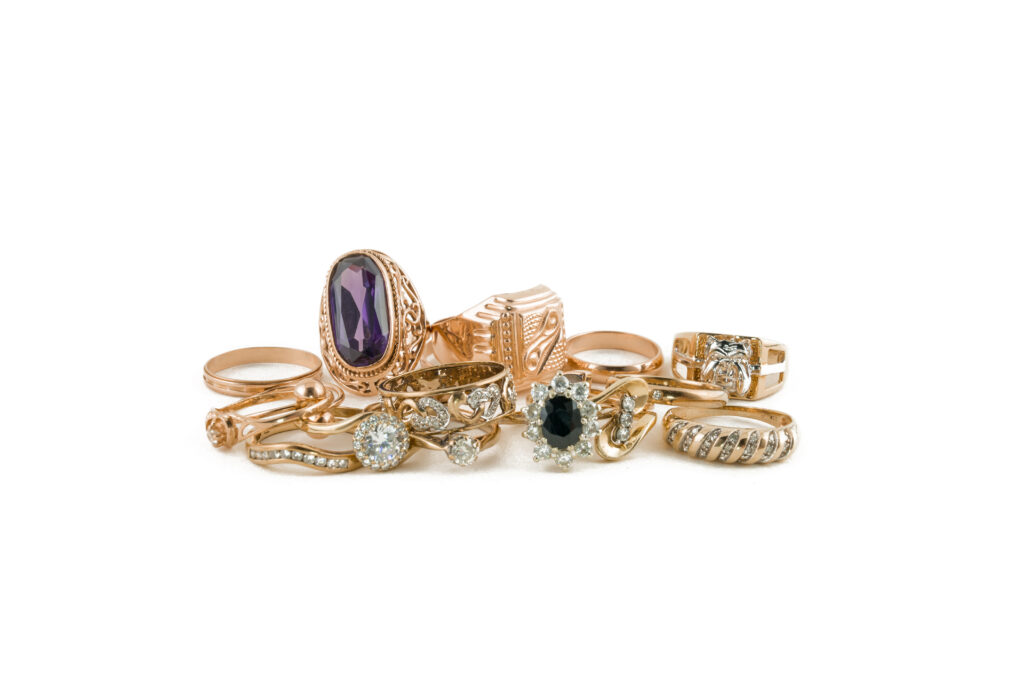
Dos and Don’ts When Buying Gold Jewellery
When buying gold jewellery, it is important to examine hallmarks, confirm authenticity, and assess craftsmanship. You should also avoid items that appear heavily worn or poorly repaired, as these issues may affect long-term value. Purchasing from reputable dealers and seeking expert guidance can help ensure you make informed decisions.
What There is to Know About Hallmarks
What is a Hallmark?
A hallmark is an official mark stamped into precious metal items to verify their purity and origin. This means a hallmark on a piece of gold jewellery confirms that the item has been tested and meets legal standards for purity.
In the United Kingdom, hallmarking has been used for centuries to protect consumers and ensure the authenticity of precious metals.
What Does a Hallmark Tell You?
UK hallmarks provide several pieces of information. They typically include a purity mark indicating the gold content, a maker’s mark identifying the manufacturer, and an assay office mark showing where the item was tested. Many hallmarks also include a date letter indicating the year of certification.
Learning how to read these marks can reveal valuable information about a piece’s origin and authenticity.
The Most Common Gold Hallmarks in the UK
Common gold purity marks include 375 for 9ct gold, 585 for 14ct gold, and 750 for 18ct gold. UK assay offices include London, Birmingham, Sheffield, and Edinburgh, with each represented by a distinctive symbol. For instance, the hallmark for the London Assay Office is a forward-facing leopard’s head.
These marks help establish authenticity and play an important role in determining a piece’s price and market value.
Does Every Piece of Gold Jewellery Have to Have a Hallmark?
In the United Kingdom, gold jewellery above a certain weight must be hallmarked by law. However, older pieces may predate modern hallmarking requirements, and very small items may be exempt. Imported jewellery may also carry different hallmarking systems depending on the country of origin.
How to Clean Gold Jewellery and Other Maintenance
Regular, careful cleaning and maintenance help preserve the beauty of your jewellery. In turn, this can also help to protect its value.
Cleaning Gold Jewellery at Home
To clean gold jewellery, use warm water with a small amount of mild soap and gently brush the piece with a soft toothbrush. Rinse thoroughly and dry with a soft cloth. Avoid harsh chemicals, abrasive cleaners, or ultrasonic cleaners if the jewellery contains delicate gemstones.
Patina and Gold Jewellery
Patina refers to the natural ageing that occurs on metal surfaces over time. In some antique jewellery, patina can enhance the character and historical authenticity of a piece. However, excessive wear or corrosion may reduce value, so maintaining a balance between preservation and cleaning is important.
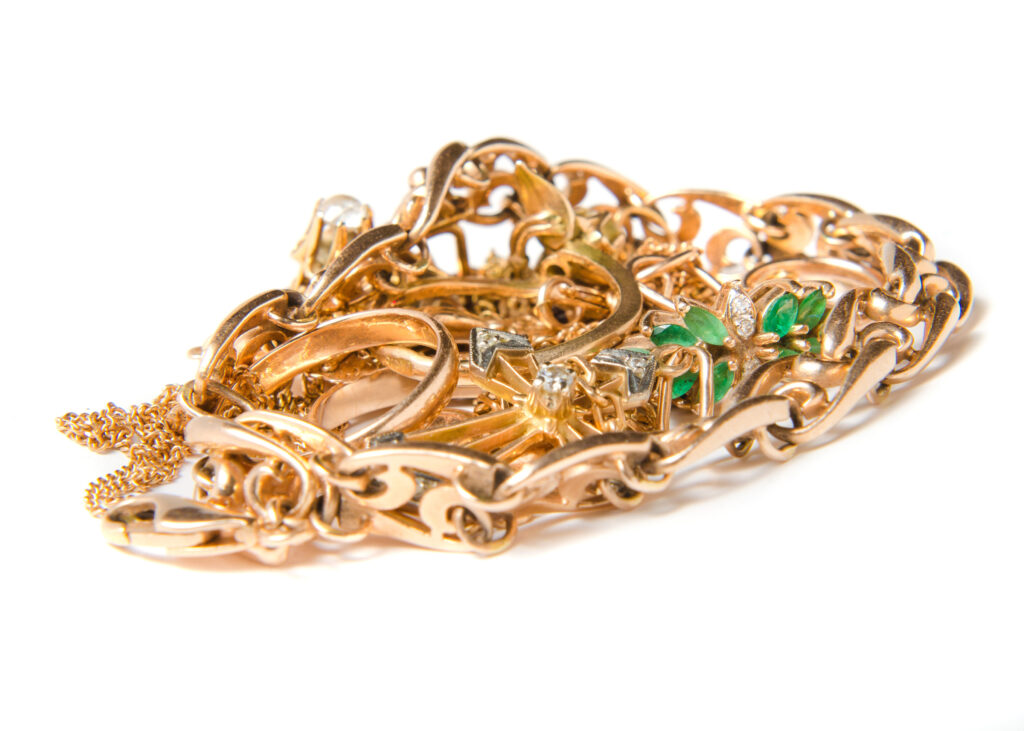
What You Can Do With Gold Jewellery You Don’t Wear Anymore
Many people accumulate jewellery over time that no longer fits their lifestyle or personal taste. Some choose to repurpose these pieces by redesigning them into modern jewellery. Others prefer to pass them down to family members as heirlooms.
Alternatively, selling unwanted pieces can allow you to realise their financial value. When handled by experienced specialists, the process of selling gold jewellery can be straightforward and rewarding.
Deciding Whether to Sell Gold Jewellery or Not
Deciding whether to keep or sell jewellery is often a personal decision. Many people choose to sell pieces they have inherited but do not wear, while others sell items to simplify their collections or release funds for other purposes. Understanding the value of gold jewellery can help guide this decision.
Which Gold Jewellery Collections Appreciate Most Over Time?
Certain types of jewellery tend to appreciate more consistently. Signed designer jewellery, antique pieces with strong craftsmanship, and items associated with particular historical periods are often sought after by collectors. Carefully curated gold jewellery collections can therefore become valuable assets.
Gemstone Settings in Gold Jewellery – Do They Affect the Value?
Yes, the gemstones set within a piece can significantly influence its value. The quality, size, and rarity of the stones all play a role, as does the skill used in the setting itself. A beautifully crafted setting can enhance both the visual appeal and market desirability of a piece.
Will Lab-Grown Gemstones Affect the Value?
Lab-grown gemstones have become more common in modern jewellery. While they offer affordability and visual similarity to natural stones, collectors often prefer natural gemstones for historical or investment pieces. As a result, the presence of lab-grown stones may affect resale value.
Does Gold Colour Affect the Value of Jewellery?
Gold jewellery is available in several colours, which are different types of gold. These include yellow gold, rose gold, and white gold. While colour alone does not necessarily determine value, certain styles and periods favour particular tones. Collector demand and craftsmanship usually play a larger role in determining the overall price.
Thinking About Selling Gold Jewellery?
If you own gold jewellery that you no longer wear, understanding its true value is the first step toward making an informed decision. At Burlingtons Ltd., we specialise in valuing and purchasing antique and vintage gold jewellery across the UK. With decades of experience and an extensive international network of collectors, our experts offer a personalised and discreet service designed to make the process straightforward.
Our home valuation service allows you to have your jewellery assessed safely and privately, without needing to transport valuable items. If you decide to proceed, we’ll provide immediate payment and a transparent process without the fees commonly associated with auction houses.
Contact us today to arrange a professional gold jewellery valuation and discover what your collection may be worth.