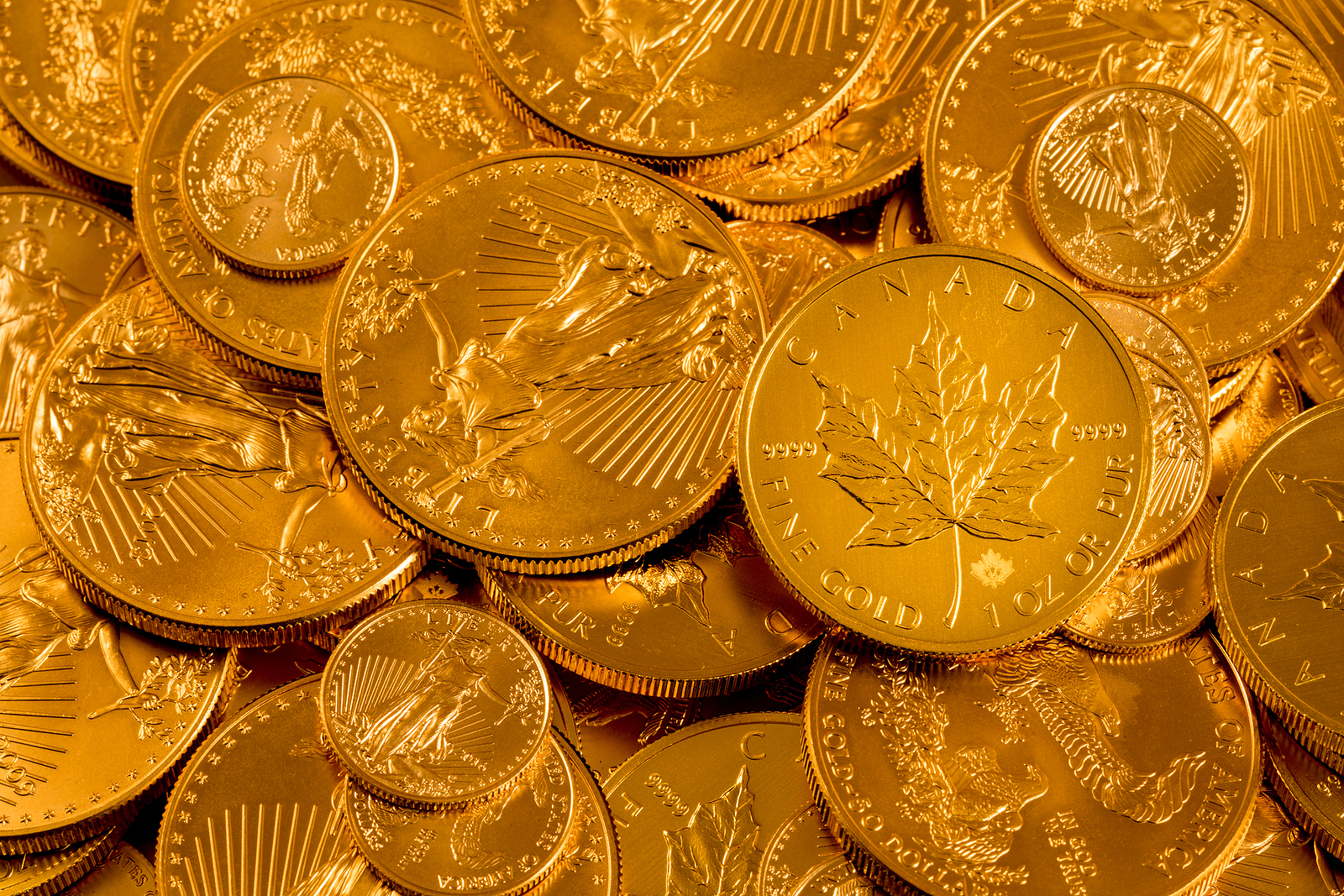
People sell gold coins for all sorts of reasons. Sometimes it’s a change in priorities. Sometimes it’s an inheritance, a downsize, funding a purchase, or simply choosing to take advantage of a strong gold market. After all, if you’ve invested in gold, it’s there to be used when the time feels right.
The good news is that selling gold coins doesn’t have to be daunting. The process can be very straightforward when you know what you have, protect your coins properly, and choose a safe, transparent route. Below, we’ll walk through how to prepare your coins, where to sell them, how to avoid counterfeits and disputes, and when selling can make the most sense.
Preparing Gold Coins for Sale (Without Hurting Their Value)
Before you think about buyers, it helps to get your coins “sale-ready”. This is achieved by protecting what makes them valuable in the first place.
Don’t Clean Your Coins
It’s tempting to make a coin shine, but cleaning can reduce value, especially if your coin has collector interest beyond its gold content. Even gentle rubbing can leave hairline scratches that experienced buyers notice immediately, or remove the original patina.
Keep Original Packaging and Paperwork
If your coins came in capsules, presentation boxes, or sleeves, keep them there. The same goes for certificates and any purchase documentation you still have. Original packaging can help preserve condition and, in some cases, support authenticity and resale value.
Store Them Safely Until Valuation
Wherever you store your coins, try to avoid humidity, heat fluctuations, and careless stacking of objects on top of and around their boxes. A safe, a lockable cabinet, or a secure drawer is far better than leaving them exposed to accidental knocks or damp.
Create a Simple Inventory
If you have more than a couple of coins, jot down a basic list: coin type, year, weight, purity (if known), and how many you have. This makes it easier to get an accurate preliminary view before a full valuation.
A professional valuation with an expert can also help you avoid underselling, particularly if there’s any chance a coin has collector value rather than being valued only on its gold content.
How to Spot Fake Gold Coins Before Selling
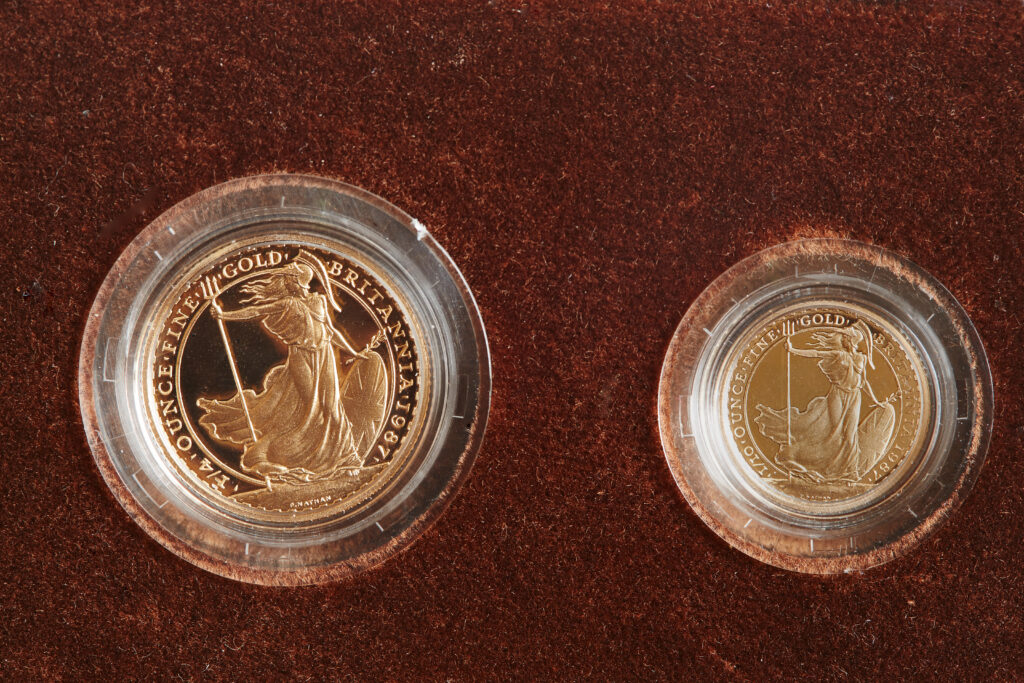
Counterfeits are unfortunately common in the wider market, and sellers can get caught up in disputes even when they’ve acted in good faith. A few basic checks can help you protect yourself.
Signs to Watch Out For
Be cautious with:
- Coins that look “too new” or oddly dull for their age
- Soft details, messy lettering, or unusual edging
- Prices or offers that feel too good to be true
- Bundles with no clear origin or paperwork
Simple Checks You Can Do at Home
Without specialist tools, you can still do a few sensible checks:
- Weight and Dimensions: Many coins have published specifications. A precise scale and a pair of measuring callipers can reveal inconsistencies.
- Visual Inspection: Compare the design to high-quality reference images and look for unusual spacing, edges, or details.
- Magnet Test: Gold isn’t magnetic, so strong magnetic attraction is a warning sign (though a “pass” doesn’t guarantee authenticity).
- Sound Test: Authentic gold coins will often produce a ringing sound when tapped, while many fake coins will sound dull if the same test is tried.
When to Get Professional Authentication
If you’re unsure and your gold coin could be of high value, or you suspect collector interest, it’s worth having an expert assess your coins. A reputable specialist can confirm authenticity and help you avoid disputes, particularly if you’re considering selling online or privately.
Where to Sell Gold Coins
You should always feel comfortable with the route you’re taking before you sell. That usually means doing some research and choosing the option that matches your priorities, whether that’s speed, simplicity, maximum potential price, or peace of mind.
Selling to a Specialist Dealer or Private Buyer
For many people, this is the most straightforward route. A specialist can help you understand what you have, spot anything collectable, and make an offer based on real market demand. This can be particularly helpful if you have a mixed group of coins and aren’t sure what’s bullion and what’s collectable.
This route also tends to be simpler logistically. You’re not managing listings, negotiating with multiple buyers, or dealing with returns. The most important thing is transparency. A reputable buyer should be able to explain how the valuation is reached and what factors are influencing the offer, ensuring you know it’s fair.
Selling on Online Marketplaces
Online marketplaces can offer access to retail buyers, which can be appealing for common, easy-to-identify bullion coins. However, they can also bring risks and admin that many sellers don’t expect.
Common issues include counterfeit disputes, payment complications, returns, and the need to prove authenticity to strangers online. You also have to consider secure postage, insurance, and the possibility of problems during transit. If you’re not experienced with selling valuable items online, this route can be more stressful than it first appears.
Selling Through an Auction House
Auctions can be useful when you have a genuinely rare or highly collectable coin where competitive bidding could lift the final price. If you know you’re holding something scarce and desirable to collectors, an auction may be worth exploring.
However, auctions often come with fees attached, your coin may not sell if the right buyer doesn’t turn up, and it may take weeks to receive payment. For many sellers, that uncertainty and delay outweigh the potential upside.
How to Sell Gold Coins Safely and Avoid Underselling
Selling safely is about knowing the coin’s true value and choosing a process you trust.
Start with a Proper Valuation
A strong valuation helps you avoid undervaluing coins that carry a premium. Some coins are priced close to the “spot” value of gold (their melt value), while others command higher prices due to rarity, condition, mint marks, or collector demand. That distinction matters.
If your coins came via inheritance, were purchased years ago, or have been stored away without paperwork, a proper valuation becomes even more important.
Understand the Spread
Gold buyers don’t typically pay the exact spot price because there are costs and risks involved in buying, verifying, handling, and reselling. The difference between the spot price and the price you’re offered is often called the “spread”.
Spreads vary depending on the type of coin, demand, and the work required to authenticate and resell it. The key is clarity. It’s reasonable to ask:
- How was the offer calculated?
- Is collector value being considered, or is this bullion-only pricing?
- Are there any fees or deductions?
A transparent buyer won’t mind those questions.
Keep Negotiations Simple
If you’re comparing offers, make sure you’re comparing like for like. The same coin in different condition can be valued very differently, and the presence of packaging and certificates can influence confidence and final pricing.
Most importantly, don’t feel pressured into the quickest “yes” if the process doesn’t feel right. Selling gold coins should feel calm and comfortable, not rushed.
The Best Time to Sell Gold Coins
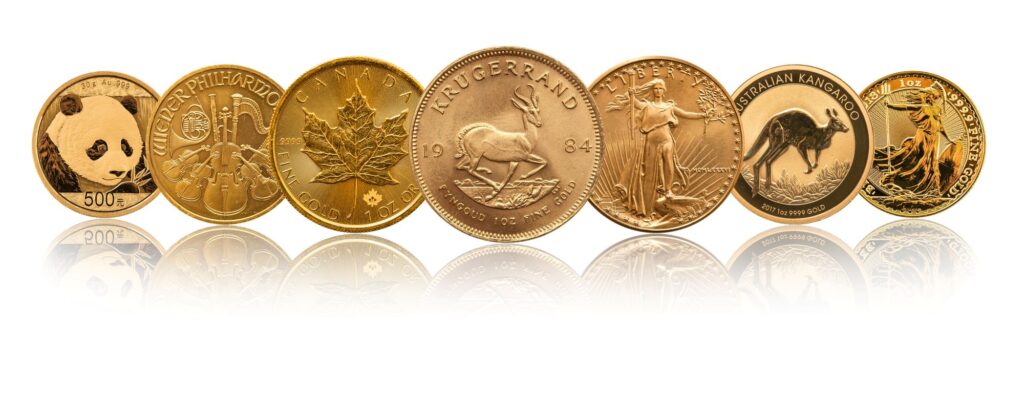
The best time to sell gold in any form is generally when prices are high. Gold prices move in cycles, primarily influenced by interest rates, inflation expectations, and global uncertainty. The market price of gold is also closely tied to currencies and is usually priced in U.S. Dollars (USD). Historically, gold’s price has moved inversely with the dollar’s strength, meaning a stronger dollar can pressure gold down, while a weaker dollar can lift it.
This is one reason gold is commonly described as a “safe haven asset”. Many people hold it to help protect wealth during periods of uncertainty.
That said, the best time to sell can also be personal. If you’re settling an estate, downsizing, simplifying your finances, or funding something meaningful, certainty and simplicity may matter more than chasing an extra percentage point.
Choosing a Service Like Burlingtons Ltd.
We offer a private buying service designed to make selling gold coins feel straightforward and comfortable. Our founder, Daniel Ives, personally handles most of our valuations, bringing decades of experience and a trusted network of collectors and buyers.
If you’d like to sell your gold coins with clarity and confidence, we can provide:
- Free, discreet valuations, including home visits where appropriate
- No fees or hidden charges
- Clear, transparent offers based on real market demand
- Immediate payment if you choose to sell
- A friendly, respectful approach, especially when coins are tied to inheritance or life changes
Discuss Selling Your Gold Coins With Us
Contact us today to arrange your free preliminary assessment. If a home visit is needed for a full valuation, we will schedule it at a time that suits you, so you can understand what you have, explore your options, and decide what feels right, with no pressure.